Politics
Congress Faces Renewed Clash Over Housing Affordability
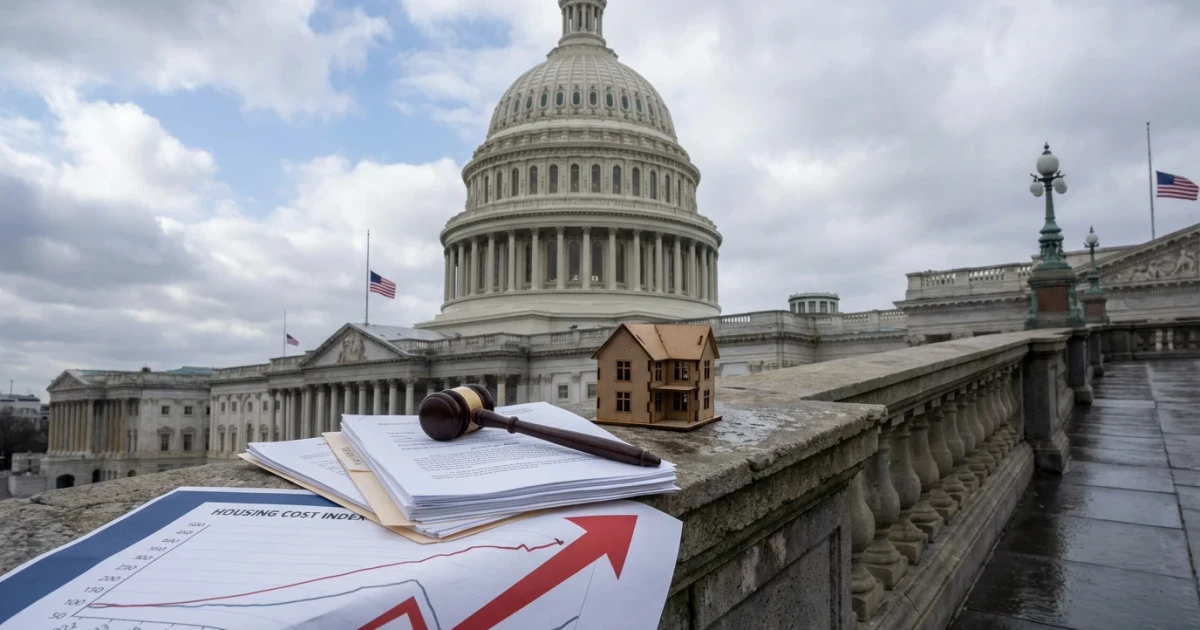
Housing affordability is once again at the forefront of national debate, as Congressional leaders grapple with policy responses to a recent executive order issued by former President Trump. The order, which aims to address the supply and cost challenges plaguing American housing, has prompted a swift reaction from Democrats and intensified discussions about legislative action.
The Executive Order and Its Implications
The Trump administration's executive order on increasing housing supply and affordability outlined a series of directives intended to spur housing construction and reduce regulatory barriers. The order calls for federal agencies to review zoning laws, incentivize local governments to relax restrictions, and expand funding for affordable housing programs. Supporters argue these measures could help alleviate the declining housing affordability that has affected millions of Americans in recent years.
Democratic Response and Congressional Action
Democrats in Congress have responded with both criticism and alternative proposals. Many lawmakers contend that the executive order does not go far enough to address systemic issues such as the shortage of affordable rental units and the increasing cost burden on low- and moderate-income families. Congressional Democrats are rallying behind legislation like the Affordable Housing Credit Improvement Act of 2023, which seeks to expand the Low-Income Housing Tax Credit (LIHTC) program and increase funding for federal housing assistance.
- According to the Center on Budget and Policy Priorities, only about 1 in 4 eligible low-income renters currently receive federal housing assistance, highlighting the scale of unmet need.
- Data from the National Low Income Housing Coalition shows that no state has an adequate supply of affordable rental homes for its lowest-income residents, with a nationwide shortage exceeding 7 million units.
The Broader Policy Debate
The debate in Congress reflects deeper divisions over the best path forward. Republican lawmakers generally argue that reducing regulatory hurdles and incentivizing private development will boost supply and improve affordability. Democrats, meanwhile, emphasize the need for direct federal investment, stronger tenant protections, and expanded housing assistance to address persistent gaps.
Research from the Harvard Joint Center for Housing Studies underscores the complexity of the issue, noting that rising construction costs, stagnant wages, and local land-use policies have all contributed to affordability challenges. The latest Urban Housing Affordability Report further highlights the disproportionate impact on renters and first-time homebuyers, particularly among Black and Hispanic households.
Potential Outcomes and Next Steps
As Congress weighs various proposals, housing advocates are urging bipartisan cooperation to deliver meaningful solutions. While the executive order has brought renewed attention to the issue, many experts agree that lasting progress will require both regulatory reforms and increased public investment.
With housing affordability affecting communities nationwide, the outcome of this legislative debate could shape the market for years to come. Lawmakers face mounting pressure to act as families, renters, and prospective homeowners await relief in an increasingly challenging market.