Technology
Congress Focuses on AI Research and Copyright Protection
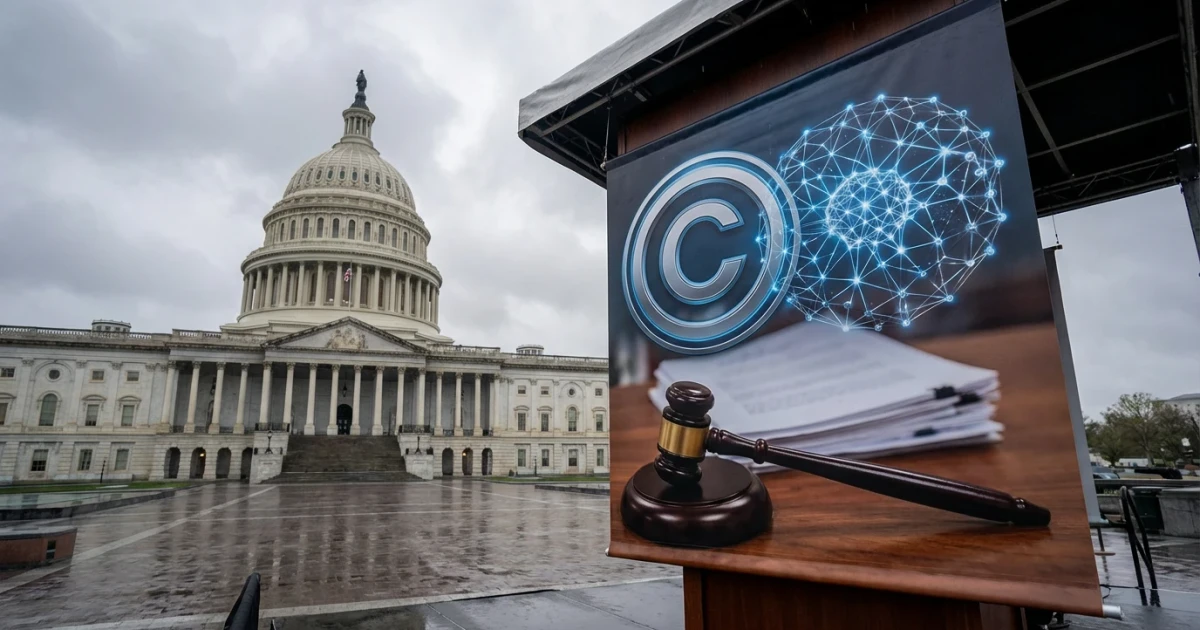
Lawmakers on Capitol Hill are sharpening their focus on artificial intelligence and digital rights, introducing a spate of new bills aimed at advancing AI research while protecting original content in the digital age. The latest legislative efforts highlight a dual approach: spurring innovation through federal science challenges and reinforcing copyright protections for creative works threatened by sophisticated AI tools.
AI Science Challenge Bill Promotes Innovation
One of the most prominent proposals this week is the Artificial Intelligence Research, Innovation, and Accountability Act of 2023. This bill seeks to establish federal AI science challenges, encouraging researchers and organizations to tackle technical hurdles in areas such as transparency, trustworthiness, and ethical decision-making. According to a summary from Nextgov/FCW, the legislation would direct federal agencies to fund and coordinate competitive programs addressing core AI risks and opportunities. The bill also calls for regular reporting to Congress on progress and the effectiveness of funded initiatives, underscoring the government’s intent to take a hands-on role in shaping AI’s development trajectory.
This move aligns with ongoing efforts from the National Science Foundation, which tracks and supports a growing portfolio of AI research projects and data initiatives. Lawmakers hope such challenges will help the United States maintain a leadership position in AI, while also ensuring that innovation is accompanied by robust ethical guardrails.
Protecting Copyright in the AI Era
Another legislative priority is the protection of copyrighted content. With generative AI systems increasingly capable of producing text, images, and music that closely mimic human creators, lawmakers are seeking to clarify and strengthen digital copyright rules. Nextgov/FCW reports that one of the bills introduced this week specifically aims to bolster legal tools for creators, ensuring that original works remain protected even as AI blurs the line between human and machine-generated content.
- Recent data from the U.S. Copyright Office show a steady increase in copyright registrations, reflecting both the expanding digital economy and growing concerns about infringement.
- International copyright statistics from WIPO reveal similar trends, with more countries updating laws to address AI-generated works and cross-border enforcement challenges.
Policy experts note that the intersection of AI and copyright is a rapidly evolving area, with ongoing debates about what constitutes authorship and how to attribute or compensate creators when AI is involved. The Congressional Research Service has analyzed these challenges, highlighting the need for updated legal frameworks that can adapt to new technologies without stifling creativity or innovation.
Broader Tech Policy Landscape
This week’s activity on AI and copyright is part of a broader push in Congress to address emerging technology issues. The GovTrack AI legislation tracker indicates that dozens of bills related to artificial intelligence, privacy, and digital rights are currently under consideration. Lawmakers are responding not only to technological advances but also to public concerns about the societal impact of AI, including algorithmic bias, misinformation, and job displacement.
In parallel, the White House has promoted responsible AI development through frameworks like the Blueprint for an AI Bill of Rights, which emphasizes transparency, privacy, and fairness as core principles for future regulation.
What Comes Next?
As debate continues, observers expect further refinements to the proposed legislation and possibly new bills addressing related issues such as data privacy and antitrust enforcement in the tech sector. Stakeholders—including researchers, creative professionals, and advocacy groups—will be closely watching the legislative process for signs of consensus or conflict on how best to balance innovation with accountability.
In the months ahead, the outcomes of these initiatives could shape not just the future of AI policy, but also the rights of creators and the rules governing digital content in the United States and beyond.