Politics
Congress Gridlocked as Government Shutdown Deadline Nears
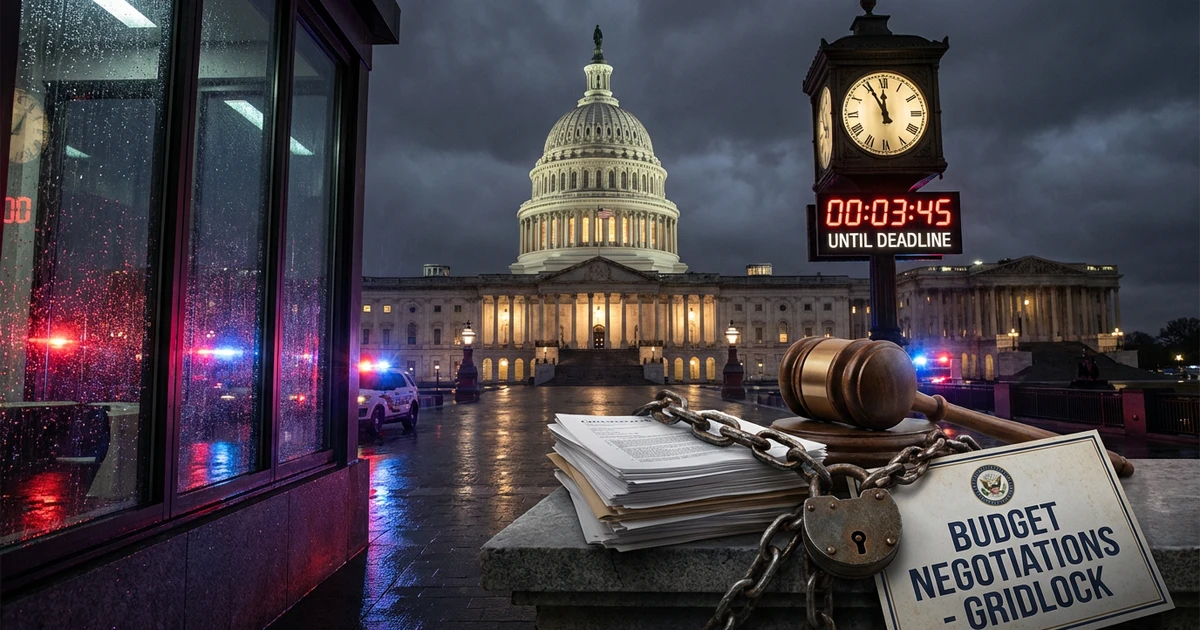
As the clock ticks towards a critical government shutdown deadline, Congress finds itself entrenched in a deadlock, with little progress towards a funding agreement and mounting pressure from competing political priorities.
Stalemate in Washington as Shutdown Threat Intensifies
The U.S. Congress faces a familiar crisis as lawmakers return from recess with the nation once again on the brink of a government shutdown. According to recent reports, both the House and Senate remain at an impasse over federal funding, raising the specter of government closures that could disrupt services and pay for federal employees.
Key Issues Fueling the Deadlock
- Budget disputes: Deep divisions over spending priorities and allocations have stymied negotiations, with lawmakers unable to bridge the gap before the deadline.
- Competing agendas: The House is facing additional pressure as the release and discussion of the Epstein files demand significant attention, further complicating efforts to focus on budget negotiations.
Shutdown Deadline Looms
The urgency is palpable on Capitol Hill. With the government’s funding set to expire, lawmakers must act swiftly to avoid a shutdown that could have widespread ramifications for federal operations and services. Past shutdowns have led to furloughs for hundreds of thousands of federal workers and the suspension of non-essential government activities.
Political Challenges and Public Stakes
Despite calls from both sides for compromise, bipartisan agreement has proven elusive. The return from congressional recess has done little to advance negotiations. Instead, headline-grabbing topics such as the Epstein files continue to dominate the House’s agenda, further dividing attention at a critical juncture.
Potential Impacts of a Shutdown
- Federal employees could face furloughs or delayed paychecks
- Essential services – including national security and public safety – may be strained
- Public programs and benefits could see interruptions or delays
Analysis: What’s Next for Congress?
As the shutdown deadline approaches, the gridlock in Congress underscores the difficulty of governing amid political polarization and competing priorities. The simultaneous focus on budget negotiations and high-profile issues like the Epstein files adds complexity, making swift resolution less likely.
While lawmakers have periodically managed to reach last-minute deals in the past, the current environment suggests that finding common ground will require significant compromise and focused attention on the nation’s fiscal responsibilities. The coming days will reveal whether Congress can overcome its divisions or if the government will once again face the consequences of a shutdown.
For the latest updates on government funding and congressional negotiations, visit the U.S. Congress official website.