Politics
Congress High Command Faces Key Choice on Kerala CM
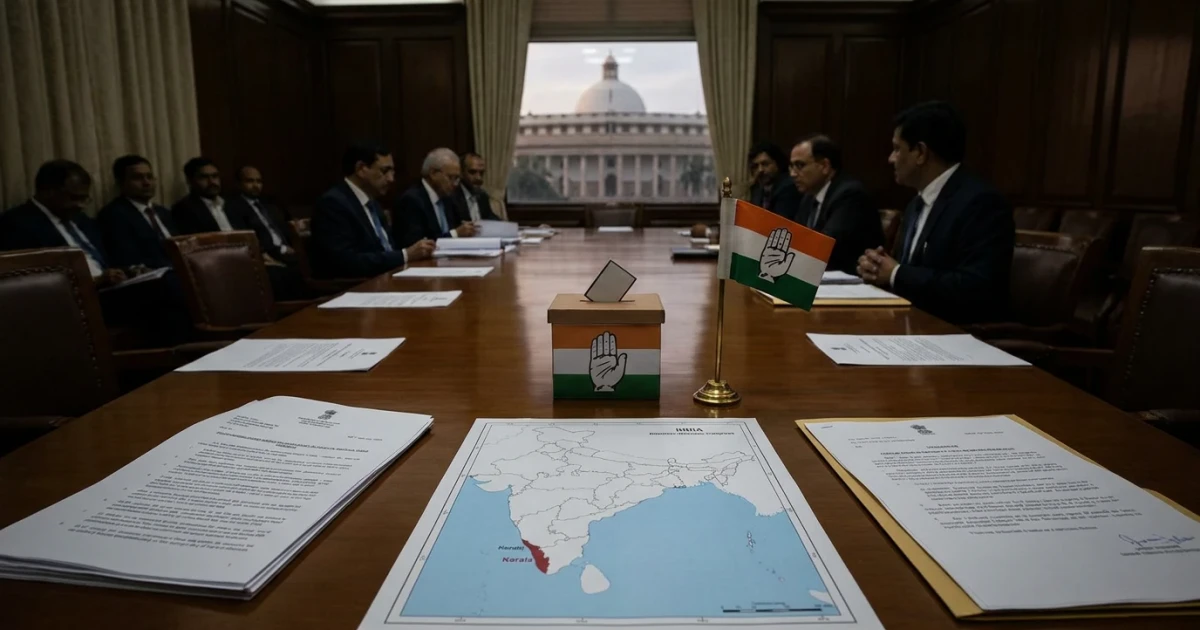
Kerala’s political landscape has entered a tense phase, with the final decision on the state’s next Chief Minister now in the hands of the Congress High Command. The process, described as a political cliff-hanger by The Hindu, underscores both the high stakes and the delicate internal negotiations within the Indian National Congress following the recent legislative assembly developments.
The Decision-Making Process Shifts to Delhi
The selection of Kerala’s Chief Minister has traditionally involved both state leaders and the national leadership of the Congress. This time, however, with intense lobbying and no clear consensus emerging among the state’s legislators, the matter has been formally escalated to the party’s central leadership. The Congress High Command, responsible for critical appointments within the party, now holds the authority to make the final call. The party’s official organisational structure details how pivotal roles, including chief ministerial nominations, are often reserved for top decision-makers in the national hierarchy.
Political Stakes and Party Dynamics
The cliff-hanger scenario highlights ongoing power dynamics and factional alignments within the Kerala Congress. Multiple prominent leaders are believed to be contenders, and the inability to arrive at a consensus locally has made the High Command’s intervention necessary. This process, while not unprecedented, can sometimes create uncertainty among party workers and the electorate, as the balance between state autonomy and national oversight is tested.
- Kerala’s Legislative Assembly consists of 140 members, with the Congress holding a critical share of seats post-election.
- The Congress High Command’s final decision will determine not just the immediate leadership but also the party’s strategy and unity ahead of future political battles.
- Kerala has a history of closely contested leadership changes, as detailed in the Assembly’s historical background.
What the Data Says
Official statistical reports from the Election Commission of India provide context for the current scenario: the Congress’s performance in the state elections, voter turnout, and constituency-level results all factor into the ongoing deliberations. These numbers, alongside detailed MLA profiles and party-wise data, are likely being scrutinized by party leaders as they weigh their options for chief ministership.
Voter Expectations and Political Analysis
Kerala’s electorate is known for its high political awareness and expectations of transparent governance. According to Lokniti-CSDS election studies, leadership choices can significantly influence public perception of party credibility and stability. Any extended delay or perception of internal discord may impact the Congress’s standing in Kerala’s dynamic political environment.
Looking Ahead
As the Congress High Command deliberates, the immediate future of Kerala’s government hangs in the balance. The choice will not only set the tone for the next legislative term but will also signal the party’s approach to leadership and internal democracy. Political observers and party members alike are watching closely, awaiting a resolution that could shape Kerala’s governance and the Congress’s fortunes for years to come.