Politics
Congress Holds Key Votes Amid Debate Over Iran Military Action
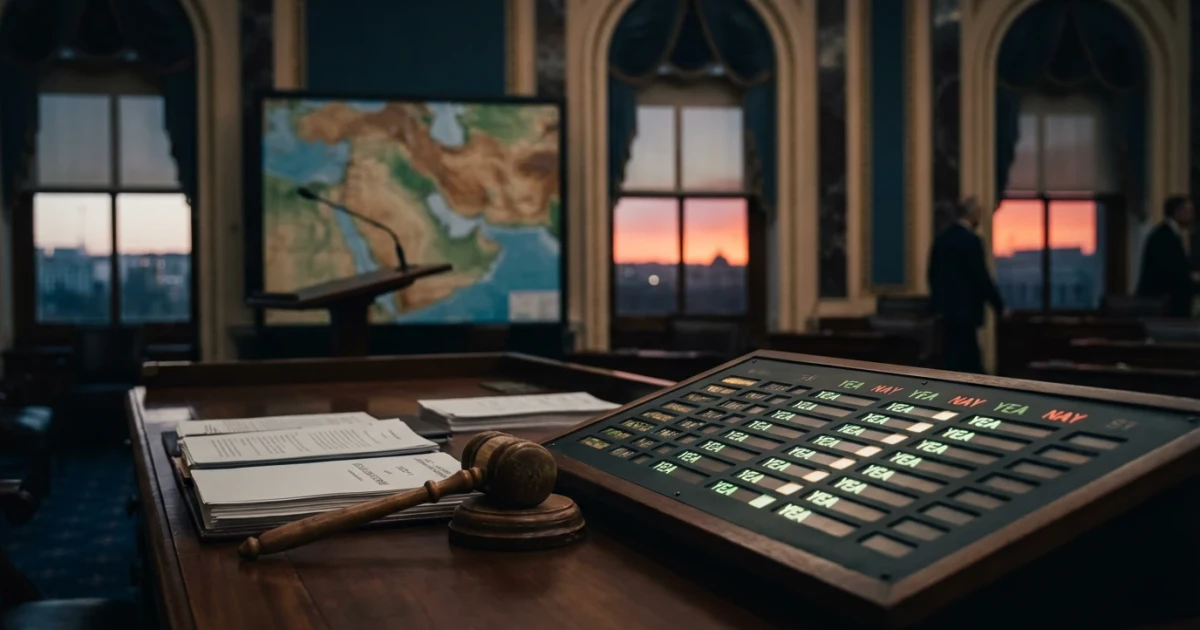
Congress is taking its first votes on U.S. military action in Iran, marking a significant moment as lawmakers on both sides of the aisle grapple with questions about America’s objectives and the scope of presidential war powers. The debate comes amid growing concern over the extent of U.S. involvement in the Middle East and the need for clear legislative oversight.
Lawmakers Weigh Military Engagement and War Powers
The votes in Congress follow months of escalating tensions with Iran and recent U.S. military deployments to the region. Legislators are divided over whether current operations meet the requirements of the War Powers Resolution, a law designed to check the president's authority to engage in hostilities without explicit congressional approval.
Some members argue that the administration must justify ongoing military actions and provide a clear explanation of U.S. goals in Iran. Others warn that restricting military operations could undermine American interests and security in the region.
Key Votes and Legislative Actions
The House of Representatives is considering measures such as H.Res.1003, which would direct the removal of U.S. armed forces from hostilities against Iran unless authorized by Congress. The outcome of these votes will shape the legal and political framework for future military engagement.
- The most recent House vote reveals divisions along party lines, with some bipartisan support for limiting executive authority.
- Lawmakers are also referencing the Congressional Research Service’s data on U.S. military deployments in the Middle East to assess the scale and impact of current operations.
Public and Expert Perspectives
Amid congressional debate, public opinion remains cautious. According to Pew Research Center survey data, a majority of Americans are wary of expanded military involvement in Middle East conflicts, including Iran. This sentiment is influencing the tone and urgency of legislative discussions.
Policy analysts highlight that the current debate is not only about immediate military decisions but also about the broader question of who controls U.S. use of force abroad. The Council on Foreign Relations notes that understanding Iran’s military capabilities is essential for lawmakers as they weigh the risks and benefits of continued U.S. engagement.
Financial and Strategic Considerations
Cost is another critical factor in the debate. The Congressional Budget Office has issued estimates on the budgetary impact of repealing or amending military force authorizations, underscoring the fiscal stakes tied to these decisions.
Strategically, legislators are considering how congressional action could affect U.S. alliances, regional stability, and long-term security goals. The discussion reflects a balance between the need for decisive action and the necessity of legislative oversight in matters of war and peace.
What Comes Next?
As Congress proceeds with these pivotal votes, the outcome will likely set precedents for future conflicts and shape the ongoing debate over war powers. Lawmakers are expected to revisit the issue as events in the region unfold and as constituents continue to voice concerns about military engagement abroad.
With the stakes high and opinions sharply divided, the coming days will reveal how Congress defines its role in authorizing and overseeing U.S. military action in Iran and beyond.