Technology
Congress Intensifies Scrutiny on Chip Equipment Exports
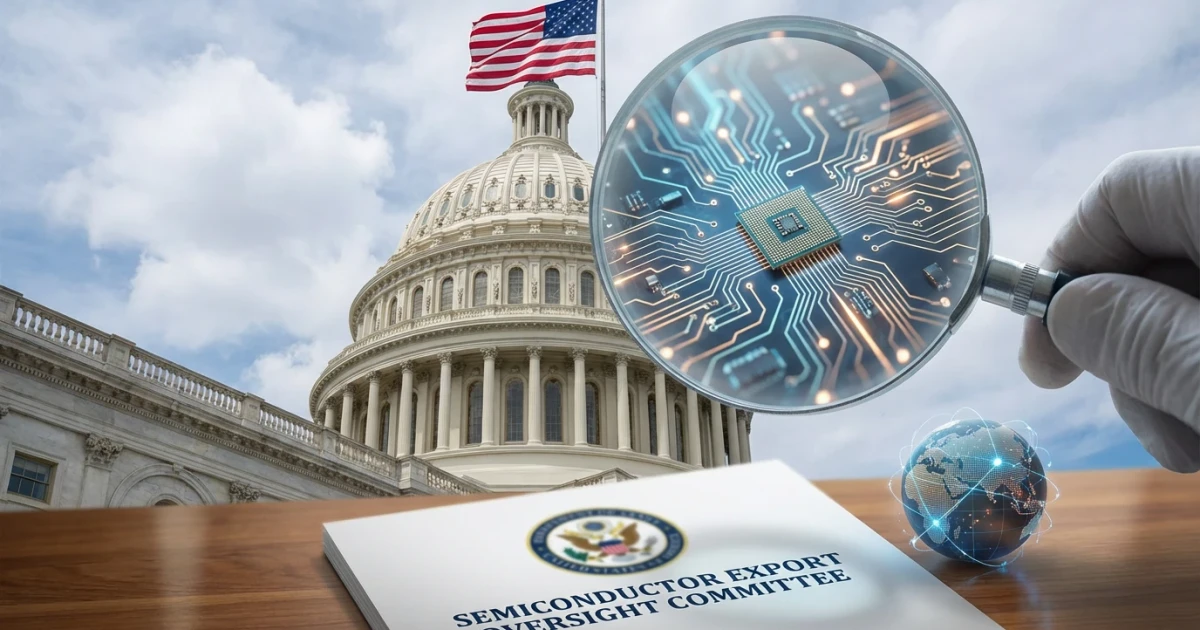
Congress is sharpening its focus on the export of advanced semiconductor manufacturing equipment, signaling a more aggressive stance amid escalating global competition and national security concerns. The push comes as lawmakers weigh the implications of U.S. technology flowing to overseas chipmakers, especially in countries viewed as strategic rivals.
Growing Congressional Oversight
The Washington Post reported that congressional leaders from both parties are voicing concerns about the effectiveness of existing controls on the export of advanced semiconductor manufacturing equipment. These concerns focus mostly on how U.S.-developed tools and processes could be used to bolster chip fabrication capabilities in countries like China, which are seen as potential threats to U.S. technological leadership and national security.
Background on Export Controls
Since 2022, the U.S. government has expanded its export controls, restricting the sale of certain advanced chip technologies and manufacturing equipment to entities in China and other countries of concern. The White House and the Bureau of Industry and Security (BIS) have issued layered restrictions targeting the most advanced chipmaking tools, arguing that these measures are necessary to protect U.S. innovation and slow the development of military technology in rival nations.
- According to the Semiconductor Industry Association, the U.S. remains a global leader in semiconductor design and equipment, but faces mounting competition from Asia and Europe.
- Recent BIS rules specifically cover advanced lithography, etching, and deposition equipment critical for manufacturing high-performance chips.
- The Congressional Research Service notes that export controls also affect U.S. firms’ ability to serve global markets, raising questions about long-term competitiveness.
Congressional Action and Debate
Congress’s heightened attention centers on whether current regulations are sufficiently robust and how enforcement can be improved. Lawmakers are examining potential loopholes and urging government agencies to provide clearer guidance and better outreach to U.S. companies, as highlighted in a recent GAO report. Some members have called for stricter controls and more frequent updates to the list of restricted items, while others warn about the risk of harming American industry if export policies are too restrictive.
Key points of debate include:
- Balancing national security with the economic interests of U.S. semiconductor equipment manufacturers
- Assessing the effectiveness of multilateral coordination with allies such as the Netherlands, Japan, and South Korea
- Managing the potential for foreign competitors to fill gaps left by U.S. restrictions
Industry Impact and Global Context
The global semiconductor supply chain is highly interconnected, and the U.S. plays a pivotal role in supplying advanced manufacturing tools. According to SEMI market data, U.S.-based firms account for a significant share of global equipment sales. However, restrictions have led to uncertainty for American companies, with some warning about lost market share and reduced revenues.
At the same time, export controls have prompted foreign governments and companies to accelerate their own technology development, potentially reducing their dependence on U.S. suppliers in the long run. The U.S. International Trade Administration’s dashboard shows fluctuating trends in semiconductor equipment exports, reflecting this rapidly changing landscape.
Looking Ahead
As Congress continues its crackdown on the export of advanced chipmaking equipment, the outcome will have far-reaching implications for both national security and the competitive position of the U.S. semiconductor industry. Lawmakers and the administration are expected to pursue further updates to export controls and seek greater international coordination in the coming months. The balance between innovation, economic interests, and security will remain at the center of policy debates as the semiconductor industry evolves in a rapidly shifting global environment.