Politics
Congress Leader Alleges 'Complete Dictatorship' by Modi Government Amid Lok Sabha Row
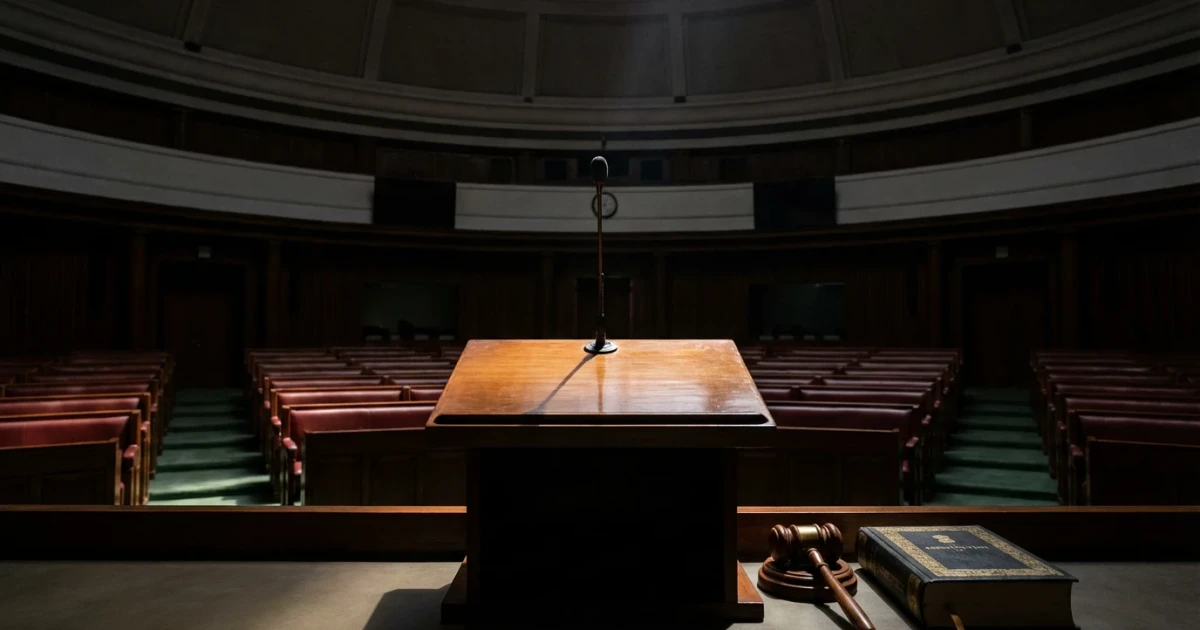
Political tensions reached new heights as Congress leader Madhu Goud Yaskhi accused Prime Minister Narendra Modi and the central government of exercising a 'complete dictatorship' in the wake of the ongoing Lok Sabha row. The remarks underscore escalating friction between India's principal opposition party and the ruling Bharatiya Janata Party (BJP), highlighting concerns over democratic practices and parliamentary norms.
The Heart of the Lok Sabha Row
The controversy centers on recent events in the Lok Sabha, India's lower house of parliament, where opposition lawmakers have voiced concerns about what they describe as increasingly autocratic moves by the government. According to the Economic Times, Madhu Goud Yaskhi, a prominent Congress figure, directly accused the Modi administration of undermining the democratic process, characterizing the government's actions as a 'complete dictatorship.'
Allegations of Centralized Power
The Congress party has repeatedly expressed apprehension that the current central government is consolidating power at the expense of parliamentary debate and opposition voices. Yaskhi's comments reflect wider criticism that the Modi government is using its majority to push through legislation and manage dissent within the chambers of Parliament. While the specifics of the Lok Sabha incident were not detailed in the Economic Times summary, the broader accusation points to a perceived erosion of institutional checks and balances.
Historical Context and Political Implications
These developments are part of a longer pattern of clashes between the BJP-led government and opposition parties. Accusations of 'dictatorship' have surfaced at various intervals, especially during contentious legislative sessions and periods of political crisis. The Congress party has often argued that robust debate and dissent are vital for a healthy democracy, while the government maintains that efficient governance sometimes requires firm leadership.
- Congress alleges increased centralization under Modi's leadership
- Opposition claims that key parliamentary processes are being sidestepped
- BJP defends its actions as necessary for legislative progress and national interest
Broader Reactions and Outlook
The Economic Times report highlights the ongoing war of words between the central government and the opposition. While Yaskhi's remarks have resonated with critics of the government, supporters of the BJP contend that the party's parliamentary strategy remains within constitutional limits. As the Lok Sabha continues its session, the incident has intensified debates about the health of Indian democracy and the role of opposition in the legislative process.
Looking Ahead
With general elections on the horizon and public scrutiny of government-opposition relations at its peak, the current Lok Sabha row serves as a microcosm of larger questions facing Indian democracy. How the government and opposition navigate these disputes will likely shape both the tone of future legislative sessions and voter perceptions as the country heads towards the next electoral cycle.