Politics
Congress leaves Section 702 surveillance law to expire Friday
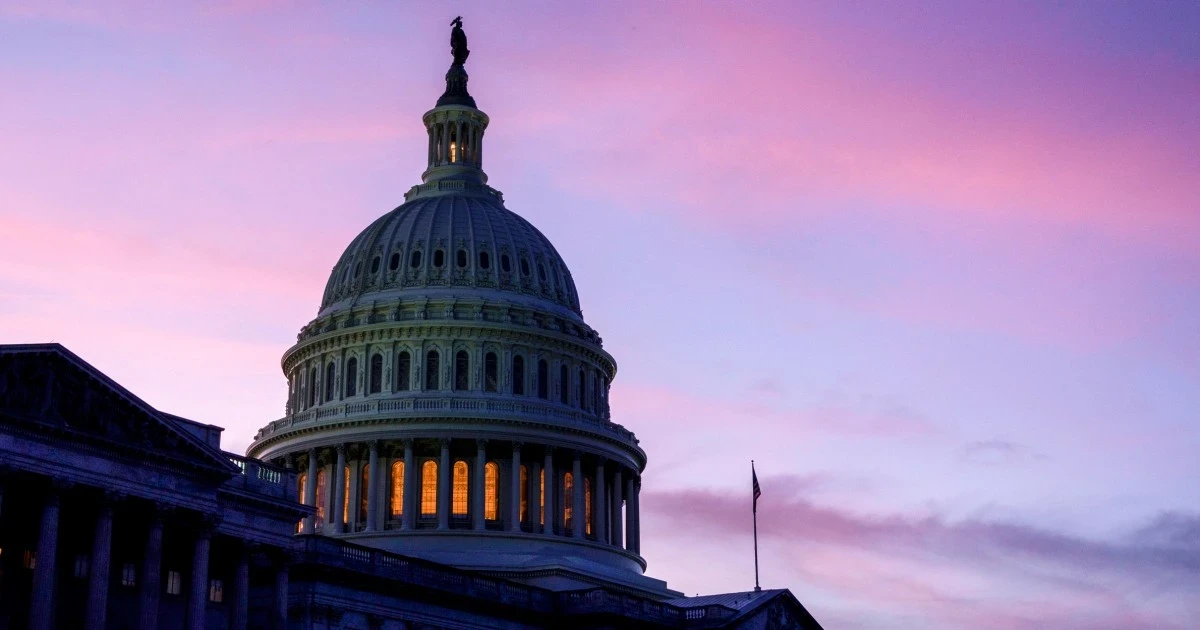
Congress let Section 702 of the Foreign Intelligence Surveillance Act lapse Friday, leaving in limbo a surveillance authority that lets the government collect communications tied to non-U.S. persons overseas while also capturing Americans’ emails, texts and other contacts incidentally.
The program was enacted in 2008 and last reauthorized on April 20, 2024, when President Joe Biden signed the Reforming Intelligence and Securing America Act. That law extended Section 702 until April 20, 2026, but the House and Senate left Washington without clearing another extension.

The immediate collapse came after the House rejected a short-term fix on June 11 in a 218-198 vote. Reuters reported that the stopgap would have pushed the deadline to July 2. Democrats opposed the measure, and 19 Republicans joined them, after the fight had already been tangled with a broader standoff over President Donald Trump’s choice of Bill Pulte as acting director of national intelligence.
The legal fight turns on what Section 702 actually allows. It is aimed at foreigners located outside the United States, but intelligence agencies can pick up Americans’ communications when those conversations touch the targeted accounts. Critics say that gives the government warrantless access to Americans’ information and has led to widespread abuse. The Brennan Center has argued that Congress created the law to monitor foreigners abroad, yet the government also uses it to spy on Americans.
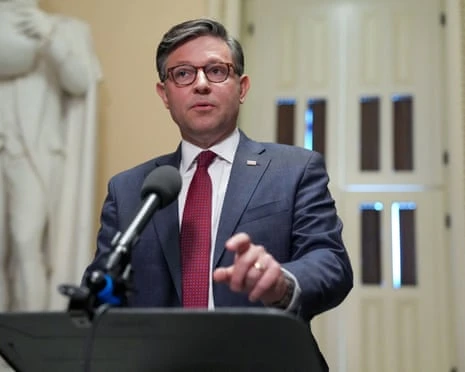
Intelligence officials say the cost of letting the authority fade would be steep. A public intelligence-community booklet said 100% of the President’s Intelligence Priorities topics reported on by the National Security Agency were supported by Section 702 information in 2025, and 24% of NSA intelligence reports that year contained Section 702 material. Supporters say that makes the program essential for terrorism cases, foreign adversaries and other national-security work.
Even with the statutory sunset, the operational impact may not be immediate. The Foreign Intelligence Surveillance Court renewed Section 702 certifications in March 2026, and several reports say those approvals could keep the collection running until about March 2027 unless lawmakers change the law again.
Civil-liberties reviewers say Congress did add guardrails in RISAA, including stricter FBI query rules, more training and reporting, new disciplinary rules for noncompliance and mandatory use of Foreign Intelligence Surveillance Court amici in certain certifications. For now, though, the country is left with the central question that has shadowed Section 702 for years: how much security value the program delivers, and how much privacy risk Americans are being asked to accept.
Sources
- [1]nbcnews.com
- [2]congress.gov
- [3]brennancenter.org
- [4]intelligence.gov
- [5]pclob.gov
- [6]reuters.com
- [7]thehill.com
- [8]odni.gov