Politics
Congress Pushes for Quick Vote on War Powers After Iran Strike
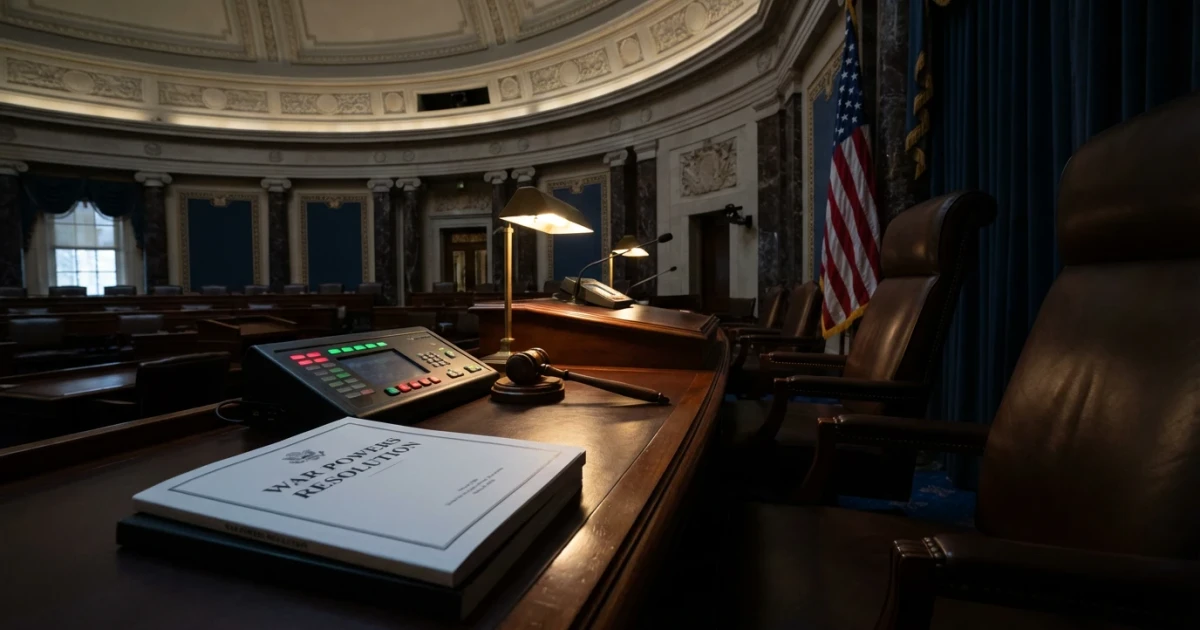
Members of Congress are urging an immediate vote on a war powers resolution following President Trump's decision to order a military strike against Iran without prior congressional approval. The move has reignited debates about the constitutional balance of power over military action and the requirements set by the War Powers Resolution.
Background: The Iran Strike and Congressional Concerns
The recent strike ordered by President Trump has led to heightened tensions between the executive and legislative branches over the President's authority to engage in military actions abroad. Many lawmakers argue that such significant decisions require consultation with and authorization from Congress, as outlined in the War Powers Resolution of 1973. This law mandates that the President notify Congress within 48 hours of deploying armed forces into hostilities and limits military engagement without congressional approval to 60 days, with a further 30-day withdrawal period.
According to PBS, the strike was launched without prior notification or approval from Congress, prompting immediate calls for legislative action. Lawmakers from both parties have expressed concern over the precedent set by unilateral military decisions and the potential for escalation without clear oversight.
Urgency for Legislative Action
In the aftermath of the strike, several members of Congress have demanded a swift vote on a new war powers resolution. Their goal is to reaffirm Congress's constitutional role in authorizing the use of military force and to ensure that future military actions, especially those that could lead to wider conflict, are subject to debate and approval by elected representatives.
- The official text of recent war powers resolutions highlights the legal framework for such votes, outlining the steps Congress can take to limit or direct military engagement.
- Debates over war powers have a long history, with Congressional Research Service reports analyzing how previous administrations have handled military deployments and the ongoing challenges of enforcing the resolution.
- Public opinion on presidential military action remains divided. Polling data from recent years indicates that Americans are split on whether the President should act without Congress, with concerns often varying by party and political climate.
What’s Next for the War Powers Debate?
As Congress prepares for a vote, the outcome could shape U.S. military policy and the balance of power between the branches of government for years to come. The debate is expected to focus on the necessity of checks and balances, the risks of escalation in the Middle East, and the importance of upholding the law as set forth in the War Powers Resolution.
Observers note that while presidents from both parties have often tested the limits of their war powers, the current standoff may prompt renewed efforts to clarify or reform the law. As lawmakers return to Washington to address the issue, the nation’s approach to military engagement and constitutional oversight hangs in the balance.
For readers interested in a deeper dive, the Council on Foreign Relations provides a backgrounder detailing the history, implementation challenges, and legal context of the War Powers Resolution.