Politics
Congress Questions Approach to Women's Reservation Bill
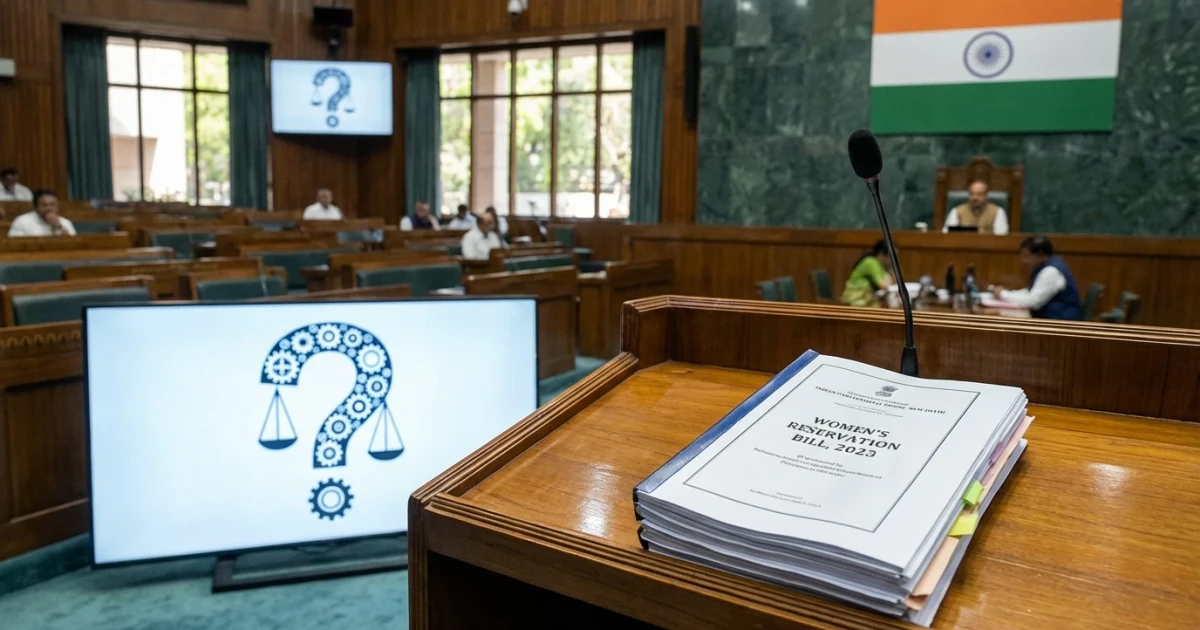
Congress has publicly raised concerns about the Modi government's strategy regarding the Women's Reservation Bill, emphasizing issues over the bill’s timing, intent, and future implementation. The debate highlights the ongoing complexities surrounding gender representation in Indian politics.
Congress Questions Government's Motives and Tactics
In statements made to the press, Congress leaders have questioned both the timing and the procedural approach adopted by the Modi government in tabling the Women's Reservation Bill. The party alleges that the move is more political in nature, designed to influence public perception ahead of upcoming electoral cycles, rather than a genuine push for gender equality in legislative representation.
Background: Women's Reservation Bill and Its Significance
The Women's Reservation Bill, formally known as the Constitution (One Hundred and Twenty-Eighth Amendment) Bill, 2023, proposes reserving one-third of all seats for women in the Lok Sabha and state legislative assemblies. The legislation has long been debated in Indian political circles, with supporters arguing it is essential for advancing gender equality in political participation.
Data from the Election Commission of India shows that women make up less than 15% of the Lok Sabha, despite constituting nearly half the population. The current bill aims to address these disparities by mandating a greater share of seats for women, a move supported in principle by most major political parties.
Implementation Uncertainties and Political Debate
Congress has expressed reservations over the bill’s implementation timeline and the lack of clarity in its operationalization. The party contends that without clear guidelines and a robust framework, the bill risks being delayed or diluted in practice. According to various analysts and advocacy groups, the effectiveness of such measures depends not just on legislation but also on timely and transparent execution.
Meanwhile, government representatives maintain that the bill is a significant step toward empowering women and that all constitutional and procedural requirements will be met. However, the Congress party continues to urge for greater transparency and detailed planning to ensure that the bill’s objectives are truly realized.
Current Status of Women's Political Representation
- Women currently hold less than 15% of seats in the Lok Sabha.
- India ranks below several global and regional peers in terms of women’s representation in parliament.
- Recent data shows slow but steady increases in women’s electoral participation, but the growth in legislative seats has lagged.
Looking Ahead
The debate over the Women's Reservation Bill underscores broader questions about India’s political processes and the pursuit of gender equality. How the government addresses the concerns raised by Congress and other stakeholders will likely shape the future of women’s representation in Indian legislatures. As the bill moves forward, close scrutiny of its implementation and effectiveness will be critical in ensuring that legislative intent translates into meaningful change.