Politics
Congress Raises Concerns Over Women's Reservation Bill
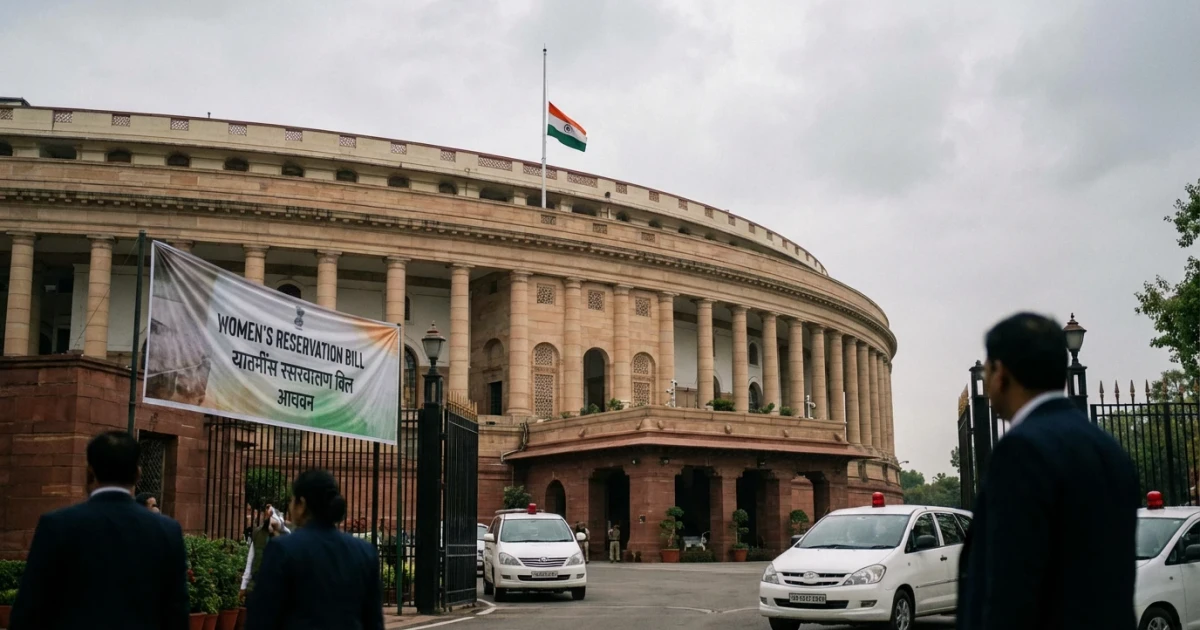
Congress leaders have raised concerns about the recently introduced Women's Reservation Bill, suggesting it may be driven by political motives rather than a genuine commitment to gender equality. The bill, which aims to reserve one-third of seats in Parliament and state legislatures for women, has reignited national debate on the future of women's political representation in India.
Congress Calls for Clarity and Transparency
The Congress party has flagged what it describes as a ‘political motive’ behind the introduction and timing of the Women's Reservation Bill. Party representatives have urged the government to provide clarity on the implementation timeline and the process for ensuring fair representation. This skepticism comes amid ongoing discussions about the effectiveness of reservation policies in bridging the gender gap in legislative bodies.
Context and Status of Women's Political Representation
India has long grappled with low numbers of women in elected positions. According to World Bank data, women made up just 14.4% of Lok Sabha members in 2024, far below the global average. The official Lok Sabha records show that while the number of women MPs has grown over the past few decades, progress remains slow and uneven across states.
- The Women's Reservation Bill seeks to amend the Constitution to guarantee one-third of seats for women in the Lok Sabha and state assemblies.
- Despite broad support in principle, the bill's fate has been uncertain, with previous attempts stalling in Parliament.
- Global rankings place India behind several countries in terms of women's representation in politics.
Political Debate Over Timing and Intent
While the government has hailed the bill as a step toward empowering women and enhancing representation, Congress has questioned the timing of its introduction, suggesting it may be intended to score political points ahead of upcoming elections. This perspective reflects broader debates about the role of reservation policies in India’s political landscape and the need for transparent implementation plans.
Congress leaders have also called for immediate action, arguing that delays in rolling out the reservation could diminish its impact. They have pressed for details on the delimitation process and sought assurances that the bill will not be used as a tool for electoral advantage.
Broader Implications for Gender Equality
Experts and advocacy groups note that while constitutional amendments are significant, structural barriers—such as party nomination practices and social norms—also play a critical role in determining women’s participation in politics. The Economic Survey of India highlights the importance of both legislative measures and grassroots efforts in achieving lasting change.
- Analysts argue that reservation policies must be accompanied by broader reforms for sustained progress.
- Implementation challenges, including delimitation and seat allocation, remain unresolved.
- The debate underscores ongoing tensions between policy intent and political strategy.
Looking Ahead
The controversy surrounding the Women's Reservation Bill illustrates the complexities involved in advancing gender equality through legislation. As Parliament continues to deliberate, the outcome will have far-reaching consequences for women’s representation and the future of Indian democracy. Observers will be watching closely to see if the government addresses concerns about timing, transparency, and execution, and whether the bill can move beyond political rhetoric to meaningful reform.