Politics
Congress Raises Eyebrows Over Third-Row Seating for Rahul Gandhi, Mallikarjun Kharge at Republic Day Parade
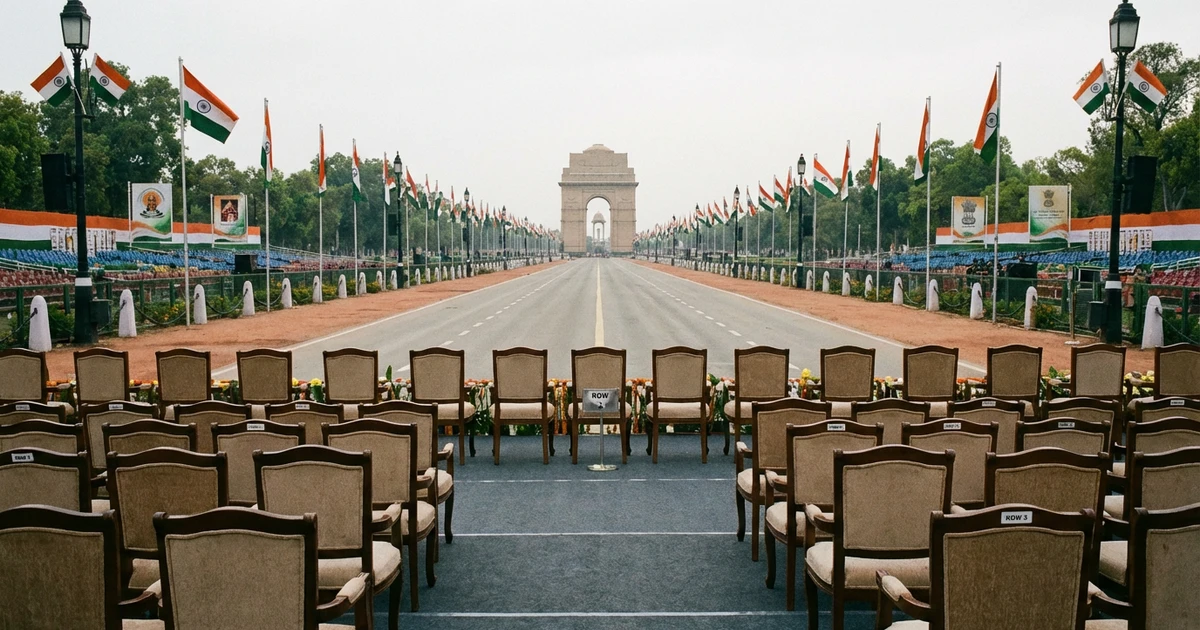
The seating arrangement at India’s Republic Day parade on January 26th has ignited a political debate, as the Congress party questioned why its senior leaders Rahul Gandhi and party president Mallikarjun Kharge were allotted seats in the third row during the prestigious national ceremony.
Protocol or Political Snub? The Core of the Controversy
The Republic Day parade, held annually in New Delhi, is a showcase of India’s military might and cultural heritage. Dignitaries from across the political spectrum, including top leaders of various parties, are invited. This year, Congress leaders have publicly questioned the decision to seat Rahul Gandhi and Mallikarjun Kharge in the third row, suggesting it may be motivated by political considerations rather than official protocol.
Congress Raises Objections
According to reports, the Congress party expressed unhappiness that its leaders, including the former party president and current Leader of Opposition in the Rajya Sabha, were not seated in the front rows, which are typically reserved for senior political figures and dignitaries. The party contends that such seating assignments are a matter of respect for constitutional positions and the roles opposition leaders play in the democratic process.
- Rahul Gandhi is a senior leader and Member of Parliament.
- Mallikarjun Kharge serves as the Leader of the Opposition in the Rajya Sabha, a position generally accorded significant protocol status at national events.
BJP’s Response and Protocol Defenses
On the other side, the BJP and government sources have maintained that Republic Day seating arrangements adhere to established protocol, not party affiliation. Seating is often determined by official rank, security considerations, and input from multiple government agencies. There has been no official indication from the BJP or event organizers that the arrangement was intended as a slight.
Why Seating Matters: Symbolism at National Events
The row over seating is not simply about comfort or convenience. At high-profile national events, seating order is seen as a sign of status and recognition. For opposition parties, being moved to less prominent rows can be perceived as a diminishing of their role in the political process. Such perceptions can fuel accusations of political one-upmanship, especially in a charged pre-election atmosphere.
Analysis: Protocol, Precedent, and Political Optics
This incident highlights the ongoing debate over the intersection of protocol and politics in India. In previous years, opposition leaders occupying significant constitutional roles have typically been seated in the front rows at national ceremonies. Any deviation from this precedent is likely to be viewed through a political lens, particularly during periods of heightened partisanship.
- Seating arrangements at national events like the Republic Day parade are closely watched for signals about political dynamics.
- Questions over protocol can quickly become proxies for broader arguments about respect for opposition voices in a democracy.
- The government’s insistence on protocol, juxtaposed with Congress’ allegations of political bias, underlines a persistent tension in Indian political culture.
Looking Ahead: Implications for Political Discourse
With general elections looming, every symbolic gesture—including seating arrangements at national events—can take on outsized significance. Both the Congress and BJP are likely to use such moments to reinforce their narratives, whether about upholding democratic traditions or defending institutional protocol.
As the debate continues, the controversy underscores the importance of transparency and consistency in ceremonial practices, ensuring that respect for all political leaders is maintained regardless of the party in power.