Politics
Congress Reaches Agreement to End Homeland Security Shutdown
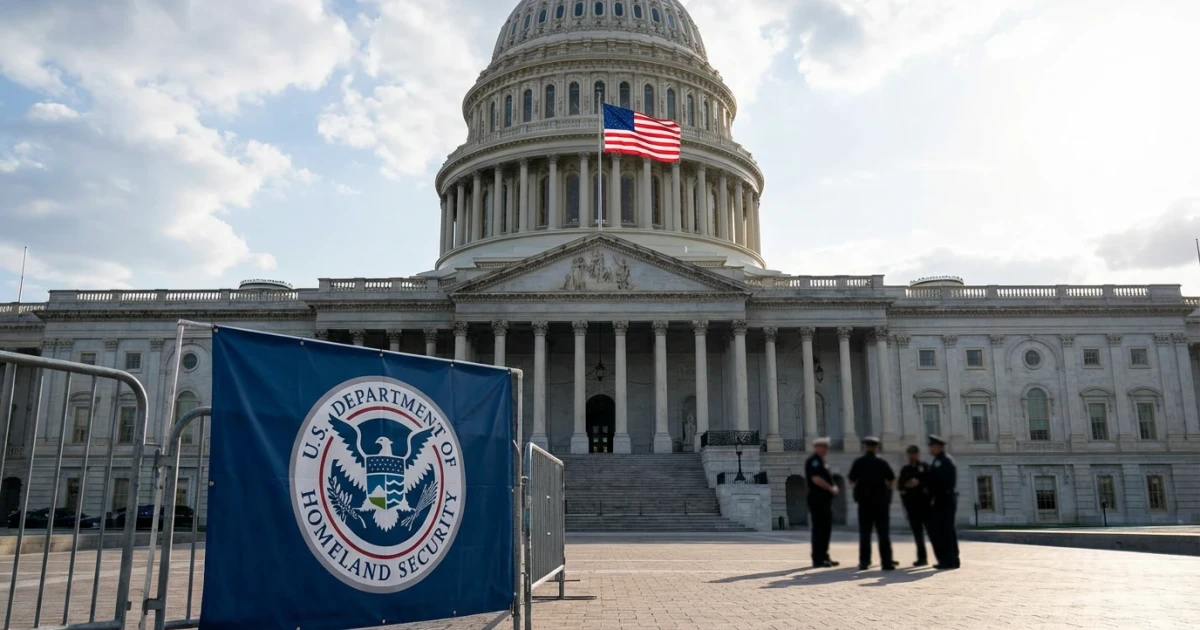
Congressional leaders have reached a bipartisan agreement to end the Department of Homeland Security (DHS) shutdown, restoring funding to the agency and resolving a standoff that threatened vital security operations across the United States. The deal, announced by G.O.P. leaders, follows weeks of tense negotiations on Capitol Hill and brings relief to federal employees and contractors whose work was disrupted by the funding impasse.
Background: The Path to Shutdown
The shutdown was triggered by a dispute over the Department of Homeland Security Appropriations Act for fiscal year 2015. Lawmakers failed to agree on a funding bill before the agency’s budget authority expired, resulting in a partial government shutdown that affected key security functions, including border protection, transportation security, and immigration enforcement.
According to the DHS Annual Performance Report, the agency oversees more than 240,000 employees and is responsible for a broad range of missions, from responding to natural disasters to countering terrorism. During the shutdown, essential personnel continued to work without pay, while non-essential functions were suspended, affecting operations nationwide.
The Deal: How the Shutdown Was Resolved
Republican congressional leaders announced the breakthrough after a series of closed-door meetings. The agreement allows for the passage of a full-year appropriations bill, ensuring continued operations for DHS programs through the end of the fiscal year. The legislative text, as detailed in Public Law 114-4, restores funding and provides guidance on the agency’s budget priorities.
While the agreement ended the immediate crisis, it did not resolve all underlying policy disagreements. Analysts from the Government Accountability Office noted that recurring budget uncertainty has posed ongoing challenges for agency planning and staff morale. The Congressional Research Service observed that previous shutdowns have disrupted grant programs, delayed procurement, and strained relations with state and local partners who rely on federal support.
Impact on Operations and Employees
- The shutdown affected more than 200,000 DHS employees, with many working without pay or facing furloughs.
- Critical programs such as border security, disaster response, and cyber defense were forced to operate with limited resources.
- According to the Monthly Treasury Statement, the shutdown period saw delays in federal payments and increased administrative costs.
Despite these challenges, essential security staff remained on duty, reflecting the agency’s mandate under federal law to maintain core operations during funding lapses. The Federal Mandates Database notes that such continuity requirements are designed to minimize risks to public safety, but long-term shutdowns can undermine effectiveness and employee well-being.
Looking Ahead: Implications for Federal Funding Debates
The end of the DHS shutdown marks a temporary reprieve in ongoing congressional debates over agency funding and legislative priorities. Lawmakers and analysts alike have called for more predictable budgeting processes to avoid future disruptions.
With operations restored, attention turns to the broader question of how Congress will address recurring standoffs over appropriations and policy disagreements. The experience has highlighted the critical role DHS plays in national security and the costs associated with funding uncertainty.
As the agency resumes full operations, federal employees and the public alike await assurances that future budget negotiations will prioritize stability for the nation’s security infrastructure.