Politics
Congress Scrutinizes Insider Stock Trading by Government Officials
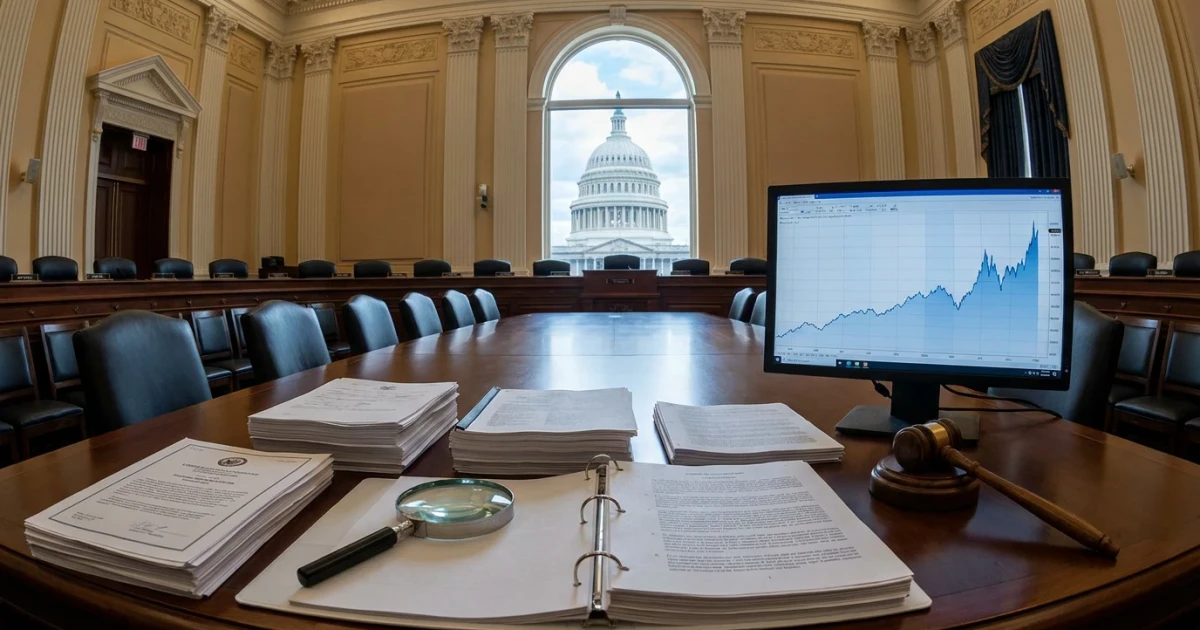
As questions swirl about the integrity of financial markets, Congress has launched an inquiry into whether government officials are leveraging nonpublic information to profit from stock trades. The bipartisan effort follows growing public scrutiny over possible conflicts of interest among those with access to sensitive data on world events, from international crises to regulatory shifts.
What Sparked Congressional Attention?
The push for answers intensified after media reports and watchdog investigations revealed patterns of well-timed trades by some members of Congress and executive branch officials. These transactions, often coinciding with major policy announcements or geopolitical developments, have raised suspicions that insiders may be using their positions for financial gain.
- Data from OpenSecrets shows that dozens of lawmakers reported stock transactions in sectors directly affected by legislative actions.
- Open-source datasets, like the Congress Stock Trading Dataset, allow the public to analyze potential patterns and timing of trades by government insiders.
Growing Calls for Transparency
Public confidence in government ethics has eroded as investigations highlight the potential for conflicts of interest. Lawmakers on both sides of the aisle have introduced legislation to address the issue, including the Preventing Government Insider Trading Act (H.R.7574). This bill proposes stricter reporting requirements, limits on trading certain securities, and enhanced oversight for those with access to market-moving information.
Current regulations already require officials to disclose stock trades under the SEC Form 4 rules and the Insider Trading Sanctions Act. However, critics argue these measures are insufficient, as disclosures can be delayed and enforcement remains inconsistent.
How Insider Trading Laws Apply to Government Officials
While insider trading laws—such as those detailed in the Insider Trading Sanctions Act—prohibit trading on material nonpublic information, the unique positions of lawmakers and senior officials make enforcement challenging. Legal experts note that the line between routine policy work and actionable inside information is often blurred.
Internationally, the U.S. faces questions about how its rules compare to those in other democracies. A recent study by the European Parliament outlined stricter bans and more aggressive enforcement in some EU member states.
Recent Legislative Proposals
- H.R.7574: Would ban trading in individual stocks by members of Congress, their spouses, and dependents, and broaden disclosure requirements for all senior government officials.
- Other proposals include real-time disclosure of transactions and enhanced penalties for violations.
Supporters of reform argue that such measures are essential for restoring public trust and aligning government ethics with modern expectations.
The Road Ahead
As investigations continue, Congress faces mounting pressure to enact reforms that close loopholes and increase transparency. Many ethics watchdogs emphasize the importance of clear rules and prompt disclosures to prevent even the appearance of impropriety.
For concerned citizens, resources like the Federal Election Commission data portal offer tools to track financial activity by government officials. The debate over insider trading and public service is likely to remain a central issue in the coming months, with potential implications for market integrity and democratic accountability.