Politics
Congress Silent Amid Trump’s Dire Warning to Iran
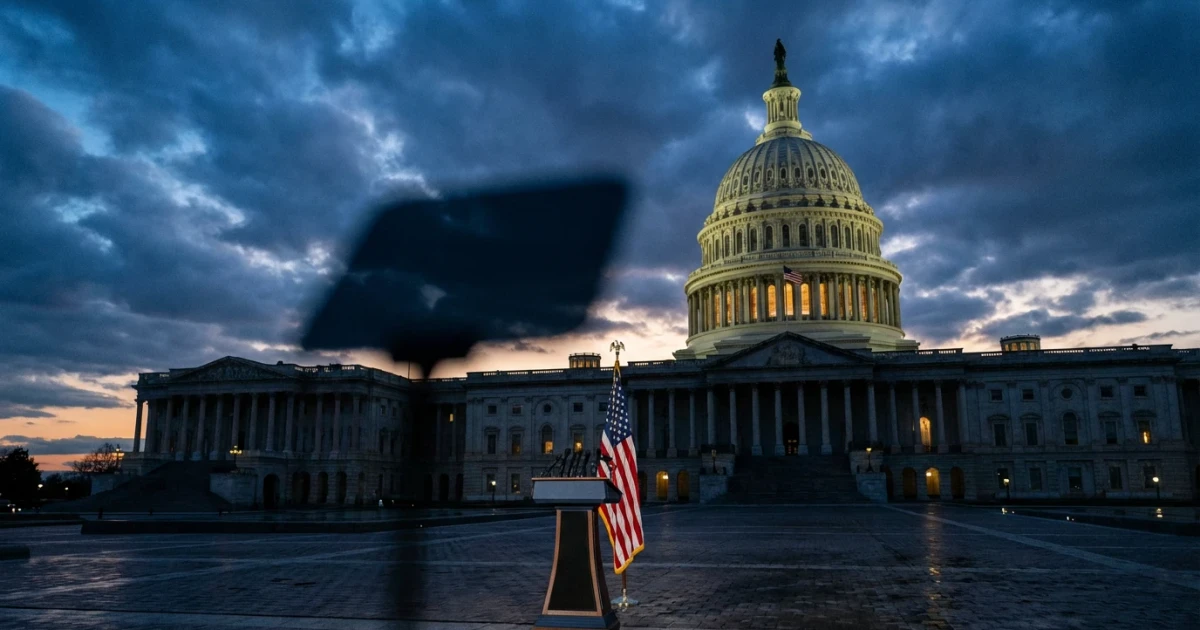
Washington, D.C. — Former President Donald Trump’s recent threat that Iranians “will die” if provoked has intensified scrutiny of U.S.-Iran relations, while Congress remains largely silent and absent from the national conversation. The lack of legislative engagement comes as tensions between the two countries continue to simmer on the global stage.
Escalating Rhetoric From Trump
Trump’s warning—delivered in a statement that quickly reverberated across diplomatic circles and international media—marks a new escalation in language toward Iran. His comments follow a pattern of sharp rhetoric and assertive policy moves that characterized his previous administration’s approach to the Middle East. The statement has drawn both concern and condemnation from foreign policy analysts, who note that such threats can further destabilize an already volatile region.
Congress’s Absence Raises Oversight Concerns
As Politico reported, Congress has been largely absent from public debate or response to Trump’s remarks, with neither chamber convening hearings nor issuing official statements to address the potential implications. This silence is notable given Congress’s constitutionally mandated role in overseeing U.S. foreign policy and authorizing the use of military force.
During previous periods of heightened U.S.-Iran tensions, lawmakers held hearings, introduced resolutions, and debated the scope of executive authority. Recent Congressional inaction has prompted questions about whether the legislative branch is abdicating its oversight responsibilities at a critical juncture.
Historical Context and Policy Precedent
- The U.S. State Department’s Country Reports on Terrorism have consistently cited Iran as a key concern for American security policy.
- Past administrations, including Trump’s, issued a series of executive orders targeting Iran with economic sanctions and restrictions.
- Congress has previously passed resolutions reaffirming the U.S. commitment to long-standing agreements with Iran, such as the Treaty of Amity, and held votes on military authorization related to the region.
Potential Implications and Costs
With Trump’s provocative statements drawing international attention, the absence of Congressional action could have several ramifications:
- Diplomatic Risk: Unchecked executive rhetoric may complicate U.S. diplomatic efforts and negotiations with allies.
- Military Engagement: According to the Congressional Budget Office, military operations in the Middle East have cost hundreds of billions of dollars, emphasizing the importance of legislative scrutiny over any potential escalation.
- Public Accountability: Congressional hearings and debates provide transparency and allow for public input on decisions that could lead to conflict.
Looking Ahead
As the situation evolves, many observers are urging Congress to reassert its constitutional role in matters of war and peace. With U.S.-Iran relations once again in the spotlight, the coming weeks could test the balance of powers and the effectiveness of American foreign policy oversight.