Politics
Congress Stages Walkout Over Women's Reservation in MP Assembly
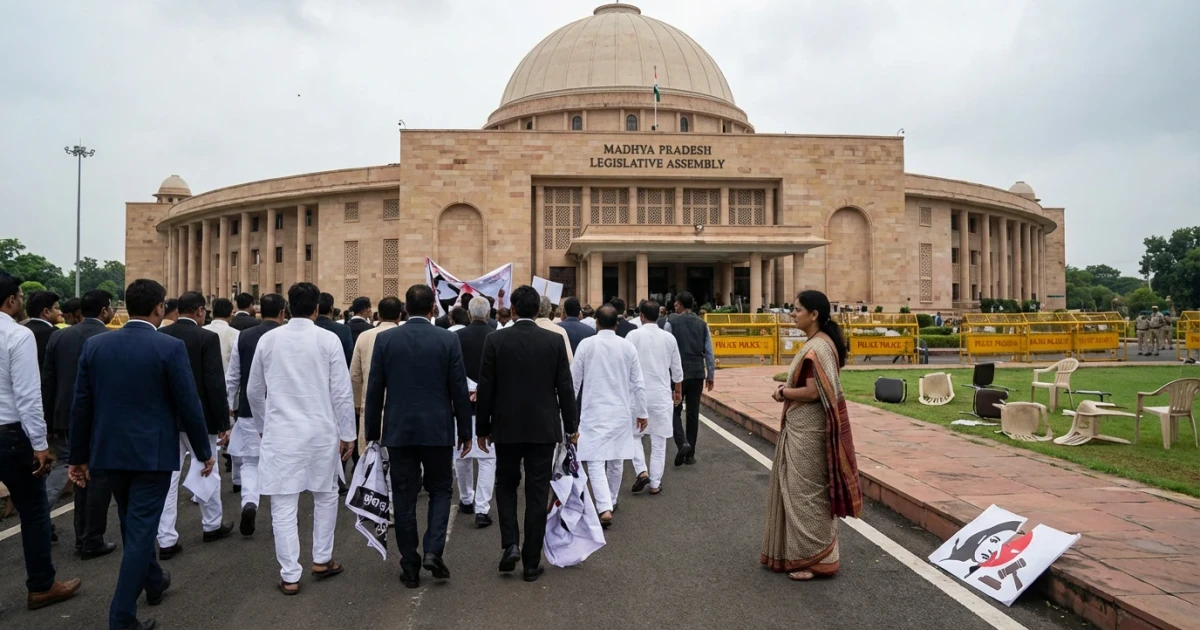
Congress legislators staged a walkout from the Madhya Pradesh Assembly amid controversy surrounding the implementation of women's reservation. The protest, reported by Devdiscourse, underscores persistent tensions regarding gender representation in state politics and the broader struggle for equitable participation.
The Walkout and Its Context
According to Devdiscourse, the walkout occurred as the Assembly debated provisions related to the Women's Reservation Bill, which seeks to reserve one-third of seats for women in legislative bodies. Congress members voiced concerns that the current implementation in Madhya Pradesh falls short of delivering on the promise of meaningful inclusion, prompting their withdrawal from proceedings.
Background of Women's Reservation Efforts
The controversy reflects longstanding debates around women's representation in Indian legislatures. The Women and Men in India 2022 report from the Ministry of Statistics and Programme Implementation shows that, historically, women have comprised less than 10% of members in many state assemblies. Madhya Pradesh has lagged behind the national average, with only a handful of women elected despite increased candidacies.
- Official statistical reports reveal that in the most recent election cycle, just 12 out of 230 MLAs in Madhya Pradesh were women.
- National data from Indiastat confirms that Madhya Pradesh's percentage of women MLAs remains below the national mean.
Implementation Debate and Political Tensions
The walkout signals deep political disagreement over how the reservation policy should be applied. Congress members argue that the process has been slow and opaque, raising concerns about whether the intended quota will be achieved. The PRS Legislative Research analytical report highlights challenges such as delayed delimitation and unclear timelines for enforcement at state levels.
While the ruling party maintains that steps are being taken to comply with the Bill’s provisions, opposition leaders contend that administrative inertia and lack of transparency impede progress. The debate also touches on broader issues of social inclusion, with advocates stressing the need for women from diverse backgrounds to benefit from reservation.
Broader Implications for Gender Representation
Experts note that controversies like this are not unique to Madhya Pradesh but reflect a national pattern. Even as the Women's Reservation Bill represents a landmark effort, effective implementation remains a challenge across India. According to the Lok Sabha Secretariat, women’s representation in Parliament and Assemblies has increased slowly, with several states still struggling to reach double-digit percentages.
- The Women and Men in India report shows that only 15% of Lok Sabha members are women, and the figure is even lower for most state assemblies.
- Analyses from PRS Legislative Research suggest that reservation policies, though essential, must be accompanied by robust monitoring and inclusive candidate selection.
Conclusion and Forward Look
The Congress walkout in Madhya Pradesh’s Assembly draws attention to the complexities of implementing women's reservation policies at the state level. As the debate continues, stakeholders urge for greater transparency, timely action, and broader representation. The ongoing controversy is likely to influence future legislative discussions, making gender equality a central issue in Indian politics.