US News
Congress Strikes Deal to End DHS Shutdown
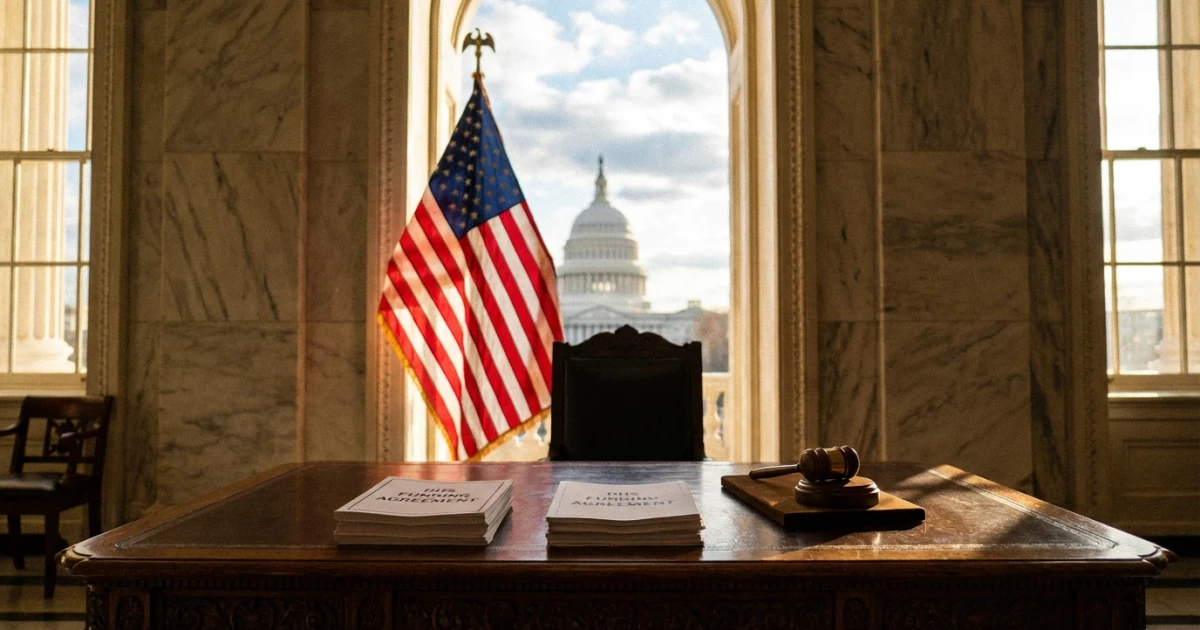
Congressional leaders announced on Tuesday that House and Senate Republicans have reached an agreement to end the shutdown at the Department of Homeland Security (DHS), paving the way for funding to be restored and critical federal operations to resume. The deal, which comes after days of heated negotiations and mounting political pressure, signals a temporary truce in a dispute that had threatened to disrupt security operations nationwide.
Breakthrough in Capitol Hill Negotiations
The New York Times reported that the breakthrough followed a period of intense talks, with both chambers under scrutiny to resolve the impasse. The standoff had left the DHS without funding, raising concerns about the continuity of essential services such as border security, disaster response, and counterterrorism efforts.
Top Democrats in the Senate characterized the agreement as a concession by House Republicans. According to the Times, one senior Democrat stated that the House GOP had “caved” under pressure, highlighting the political stakes surrounding the shutdown.
Impacts of the Shutdown
The Department of Homeland Security coordinates a broad array of operations, and a prolonged shutdown risked significant disruption. Essential personnel, such as Transportation Security Administration agents and Border Patrol officers, had been working without pay, while some non-essential activities were suspended.
- The FY 2024 DHS Budget in Brief outlines the agency’s critical funding needs and the broad scope of programs impacted by any interruption.
- Official legislative actions related to the shutdown have been catalogued in H.R.4366, the Department of Homeland Security Appropriations Act, 2024.
- For a deeper look at the budgetary effects, the CBO’s cost estimate provides insight into the fiscal implications of the appropriations deal.
Political Fallout and Next Steps
The standoff drew sharp criticism from both sides of the aisle. Democrats argued that holding up DHS funding jeopardized national security and public safety, while some Republicans defended their stance as necessary for fiscal responsibility and policy priorities. The eventual agreement, however, reflected a willingness by Republican leaders to move forward and avoid further backlash.
The bill now moves through the formal process of being passed in both chambers before heading to the president’s desk. Legislative trackers such as GovTrack will provide updates as the bill advances.
Analysis
The swift resolution to the DHS shutdown underscores the high stakes surrounding federal appropriations and the challenges of divided government. While this agreement ends the immediate crisis, it also highlights enduring partisan divides over spending and policy. With the DHS funded, lawmakers are expected to turn their attention to other looming deadlines and appropriations battles in the months ahead.