Technology
Congress Takes Slow Approach on AI Regulation
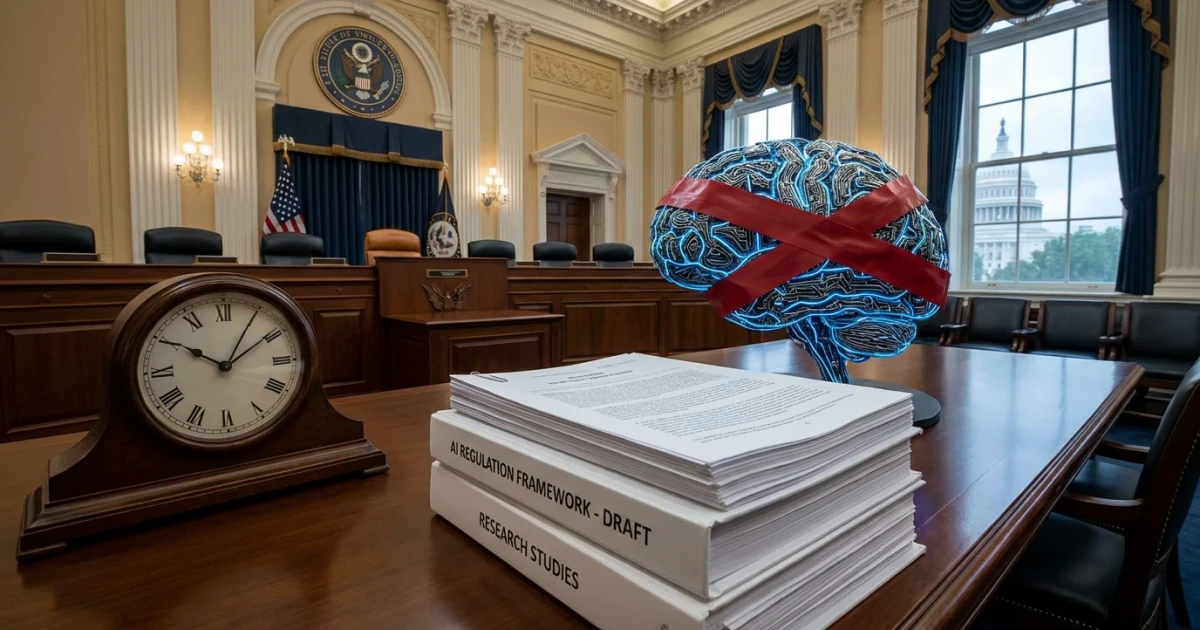
House committees are moving cautiously on the development of a national artificial intelligence (AI) regulatory framework, reflecting both the complexity of the issue and the lack of consensus in Congress on how best to proceed. While AI technologies continue to advance rapidly, lawmakers are showing little urgency to push forward sweeping new legislation at this time, according to reporting from Punchbowl News.
Deliberate Pace Despite Growing Interest
Despite increased public interest and concern about the impact of AI, House committees responsible for technology and innovation oversight are not rushing to formalize a federal framework. The measured approach comes as both parties consider the potential benefits and risks of AI, and as they weigh the need for innovation against the importance of oversight.
Recent legislative efforts—such as the H.R.815 - Artificial Intelligence Framework Act of 2023—have yet to gain significant traction or momentum in committee discussions. Lawmakers have cited the need for more hearings, stakeholder input, and technical research before advancing any comprehensive policies.
Calls for Cautious, Informed Action
- Lawmakers continue to gather input from industry experts, civil society groups, and federal agencies on AI’s potential risks and opportunities.
- There is ongoing debate over whether to prioritize broad frameworks, targeted regulations, or voluntary guidelines in the short term.
- Several House members have pointed to existing resources, such as the NIST AI Risk Management Framework, as useful starting points for further discussion.
Many in Congress remain wary of moving too quickly, with some expressing concern that premature legislation could stifle innovation or create unnecessary regulatory burdens. At the same time, there is acknowledgment of the need to address issues such as algorithmic bias, transparency, and national security risks, as highlighted in research from the Congressional Research Service.
Public Concerns Mount, But Legislative Action Lags
Surveys such as those conducted by the Pew Research Center indicate that Americans are increasingly aware of and concerned about AI’s impact on privacy, jobs, and decision-making. The White House’s Blueprint for an AI Bill of Rights has helped shape the conversation, but Congress has yet to take corresponding legislative steps.
With the 2026 elections approaching and bipartisan agreement elusive, experts suggest that Congress may continue to focus on gathering information and monitoring developments rather than enacting sweeping new laws this session. Analysis from the Brookings Institution underscores that the U.S. lags behind other countries in adopting a comprehensive federal AI regulatory framework, and that continued delays may have long-term implications for both innovation and public trust.
Outlook
As AI continues to evolve and its applications expand across industries, the House’s slow and deliberate approach is likely to persist. Stakeholders in technology, industry, and civil society will continue to watch Congress closely for meaningful signs of legislative progress. In the meantime, the emphasis remains on research, hearings, and stakeholder engagement rather than immediate action on a national AI framework.