Technology
Congress Targets AI Literacy and Public Trust with New Tech Education Bills
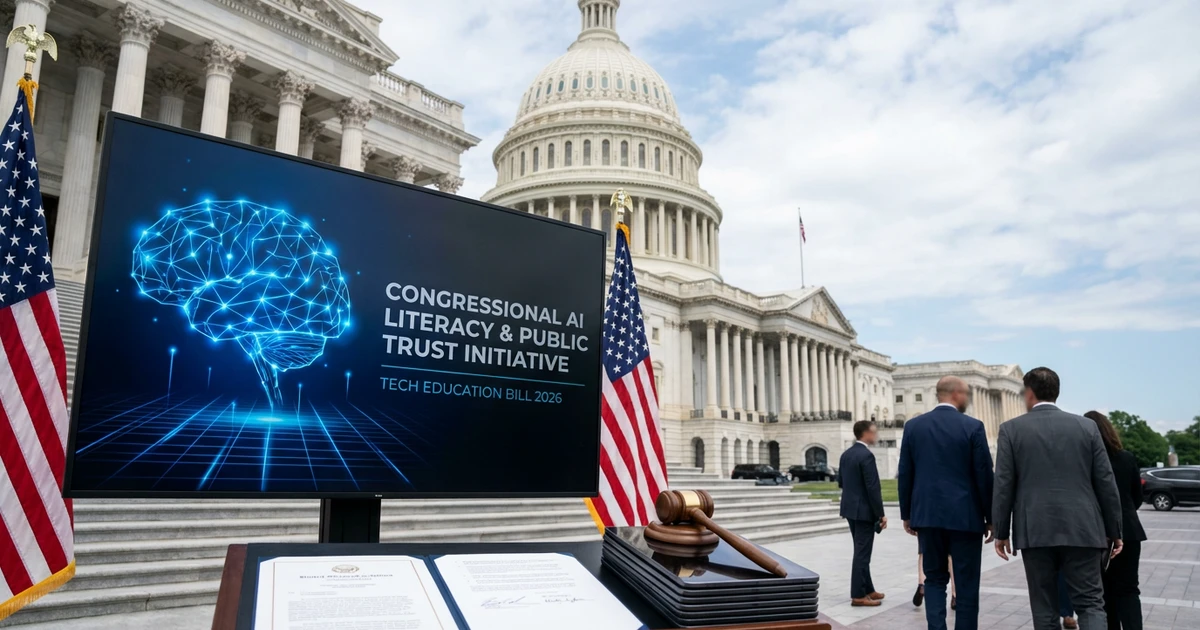
Congress has introduced a fresh slate of technology-focused bills aimed at enhancing AI education and boosting public understanding of emerging technologies. These legislative efforts, highlighted this week, signal a growing bipartisan commitment to equipping Americans for a rapidly evolving digital landscape.
New Legislation: AI Education in Focus
One major proposal would direct the National Science Foundation (NSF) to expand its support for artificial intelligence (AI) education. The bill seeks to integrate AI literacy into K-12 and post-secondary curricula, ensuring that students across the country develop foundational knowledge and skills relevant to the 21st-century workforce.
- AI education expansion: The legislation would fund new programs, teacher training, and curriculum development through the NSF.
- Workforce readiness: Lawmakers emphasize that early AI education is key to building a competitive workforce and addressing future economic needs.
Commerce Department to Lead Public Tech Awareness Campaign
Another bill highlighted this week tasks the Department of Commerce with launching a nationwide public awareness campaign focused on emerging technologies. The campaign would inform citizens about AI, cybersecurity, and data privacy, aiming to increase general tech literacy and foster trust in new digital tools.
- Information accessibility: The campaign would use multimedia outreach—social media, TV, and public events—to reach diverse audiences.
- Countering misinformation: By providing clear, accurate information, the effort hopes to combat technology-related misinformation and address public concerns about AI adoption.
Why These Bills Matter Now
As AI and other emerging technologies rapidly advance, experts warn that U.S. competitiveness and social cohesion could suffer if education and public awareness lag behind. These bills reflect a strategic response to:
- Growing demand for AI talent: Companies are seeking workers with AI skills across industries, not just in tech.
- Public skepticism: Surveys show that many Americans remain wary of AI's impact, underscoring the need for trustworthy information and digital literacy.
- Global competition: Other nations are investing heavily in AI education and technology readiness, prompting U.S. leaders to act now.
Looking Ahead: Potential for Bipartisan Progress
While details on funding and implementation are still emerging, the focus on education and public engagement has drawn support from both sides of the aisle. The bills could set the stage for broader federal initiatives addressing AI, cybersecurity, and technology ethics in the coming years.
As the legislative process unfolds, stakeholders in education, industry, and civil society will be watching closely. The outcome could shape how well Americans adapt to—and benefit from—the next wave of digital innovation.
Sources
- [1]Nextgov/FCW