Politics
Congress Whip Niskal Rai Highlights Accountability Concerns
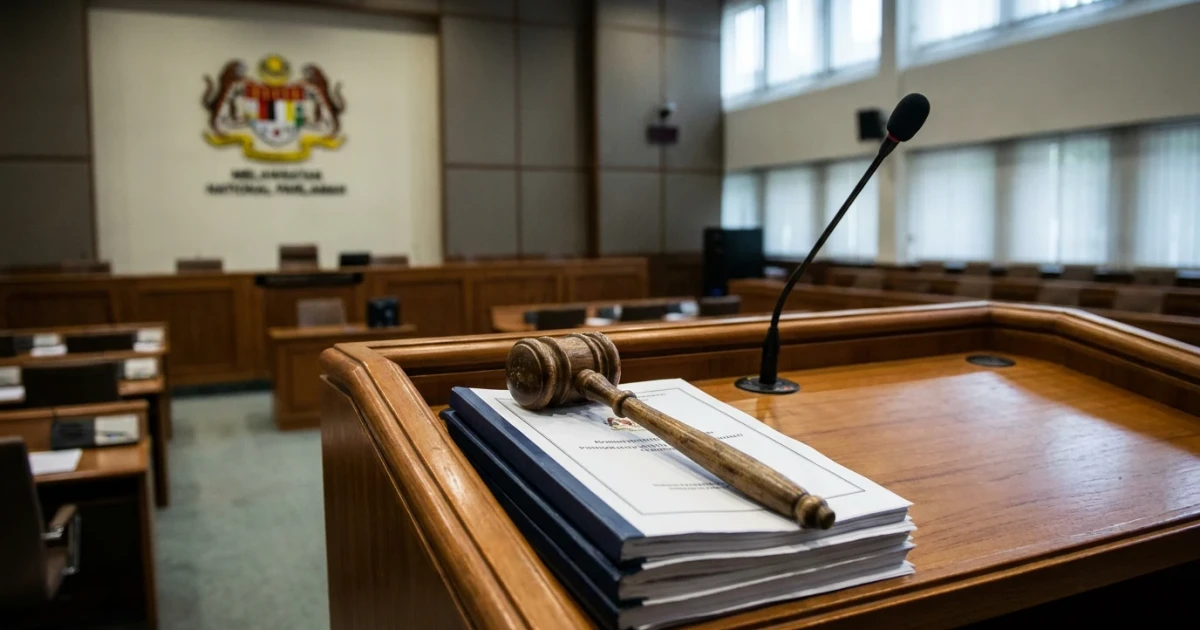
Niskal Rai, Congress Whip, has brought renewed attention to the ongoing challenges facing Nepal's parliament and the significance of government accountability in recent discussions. As reported by Ratopati, Rai emphasized the need for robust oversight and transparent practices within parliamentary proceedings, framing accountability as a central concern for both lawmakers and the public.
Parliamentary Oversight and Performance
Rai's comments follow a period of increased scrutiny over the effectiveness of parliamentary proceedings in Nepal's House of Representatives. The Congress Whip noted that regular attendance, active participation, and diligent question-raising are crucial metrics for evaluating the parliament's performance. According to official records, the frequency of questions raised and bills introduced has become a focal point for measuring legislative activity and oversight.
- Recent sessions have seen a rise in parliamentary questions, with MPs seeking clarification on government actions.
- Data from the Office of the Prime Minister and Council of Ministers shows increased demand for transparency in program implementation.
- The number of bills introduced and debated has reflected lawmakers' efforts to address public concerns and policy gaps.
Government Accountability: A Central Theme
Addressing government accountability, Rai underscored the importance of holding ministers and departments responsible for their actions. According to Transparency International's Nepal country data, public trust in government institutions remains closely tied to perceptions of accountability and integrity. Rai's statements align with broader calls for improved oversight mechanisms and clearer reporting standards within the government.
- Corruption perception scores have prompted demands for reforms in procurement and resource allocation.
- Annual progress reports highlight areas where accountability lapses have affected program outcomes.
- Rai’s focus on accountability echoes findings from International IDEA's political participation data, which shows accountability as a driver of political engagement.
Legislative Reforms and Public Expectations
As the parliament continues to debate new legislation, Rai pointed to the need for reforms that enhance transparency and empower oversight committees. Official legal records from the Nepal Law Commission indicate that recent acts have sought to strengthen checks and balances, though challenges remain in implementation.
Public expectations are rising, with citizens increasingly monitoring parliamentary activities through platforms like Nepal in Data. Rai’s remarks reflect a broader trend toward participatory governance, where lawmakers are expected to be responsive and accountable to their constituents.
Analysis: Balancing Oversight and Efficiency
While Rai’s advocacy for accountability resonates with public sentiment and international standards, balancing oversight with legislative efficiency remains a challenge for Nepal’s parliament. Research from CESLAM suggests that stronger accountability mechanisms could boost confidence in government, but must be accompanied by reforms that streamline parliamentary processes.
As Nepal’s lawmakers continue to grapple with these issues, Rai’s emphasis on transparency and responsibility highlights the ongoing evolution of parliamentary practice and the growing demand for good governance.