Politics
Congressional Leaders to Meet at White House Amid Shutdown Threat
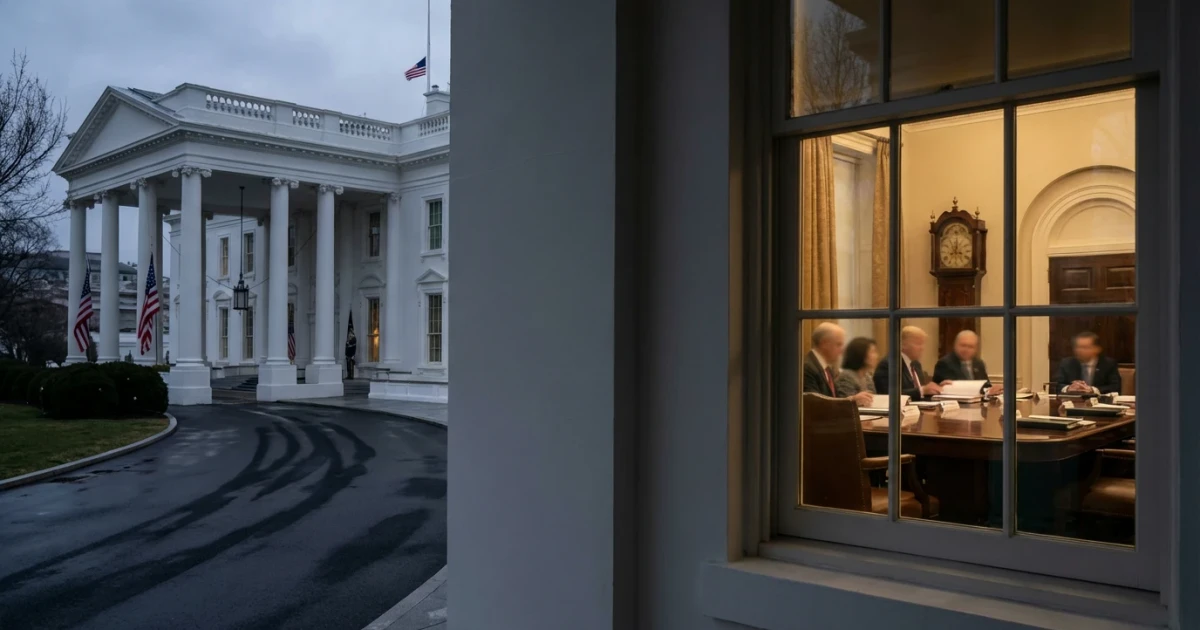
As the deadline to avert a federal government shutdown draws closer, congressional leaders from both parties are set to meet with President Trump at the White House to negotiate a potential resolution. The high-stakes meeting, reported by both PBS and CNN, comes with lawmakers under increasing pressure to fund the government and prevent disruptions to essential services.
High-Level Negotiations in Washington
According to both PBS and CNN, the meeting will bring together top congressional leaders and President Trump on Monday. The talks are considered a last-ditch effort to reach a funding agreement ahead of the impending deadline, after which large portions of the federal government could be forced to cease operations.
- The White House meeting is expected to include both House and Senate leaders from the Republican and Democratic parties.
- The current standoff centers on disagreements over spending priorities and policy conditions attached to funding bills.
What Happens During a Shutdown?
If Congress and the White House fail to agree on a funding package, numerous federal agencies would halt non-essential operations. Official records from the U.S. Government Accountability Office show that past shutdowns have led to furloughs for hundreds of thousands of federal employees, delays in government services, and economic uncertainty.
During previous shutdowns, essential services—such as national security, air traffic control, and emergency medical care—have continued, but many other functions, including national parks, research agencies, and routine administrative work, have paused. For federal employees, the Office of Personnel Management provides shutdown furlough guidance that outlines who must work, who will be furloughed, and the status of paychecks.
Economic and Political Stakes
A shutdown would not only affect government operations but also have economic impacts. The Congressional Budget Office has previously estimated that each day of shutdown reduces GDP growth and disrupts federal contracts and payments. The political consequences are equally significant, as both parties seek to avoid blame for a lapse in government funding.
- Previous shutdowns have lasted from a few hours to more than a month, depending on the scope of disagreement and willingness to compromise.
- With the deadline approaching, both sides are under scrutiny from voters, federal workers, and the business community.
Next Steps and Outlook
According to both PBS and CNN, the outcome of Monday’s White House meeting will be pivotal. Lawmakers face mounting pressure to reach a compromise, with little time left before the government’s funding expires. Background reports from the Congressional Research Service highlight that shutdowns have become more frequent in recent years, often reflecting deep partisan divides over budget priorities.
As negotiations continue, government agencies and federal workers are preparing for potential disruptions, while the public watches closely to see whether a deal can be reached in time. The coming days will determine whether a shutdown can be averted or if the country will once again face the consequences of a federal funding lapse.