Politics
Congressional Term Limits Debate Gains Fresh Attention
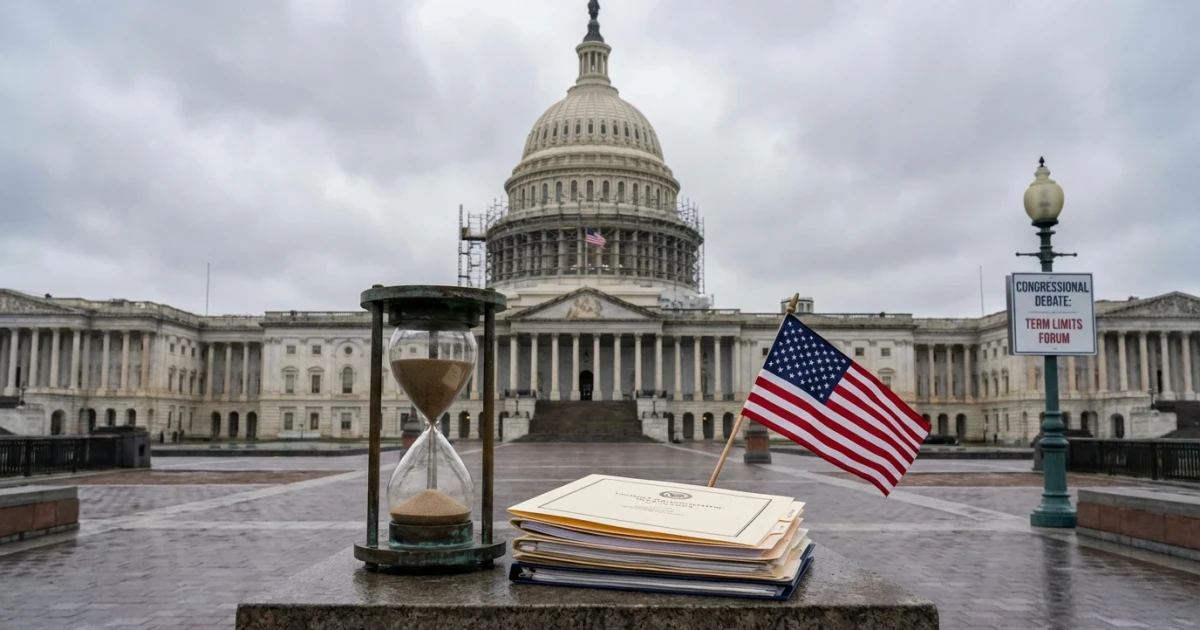
The question of whether to impose term limits on members of Congress has resurfaced as a hot topic in American politics. Advocates and critics continue to debate the merits of restricting the number of terms that senators and representatives can serve, examining the potential consequences for legislative effectiveness, democratic accountability, and the broader health of the U.S. political system.
Understanding Congressional Term Limits
Term limits are legal restrictions that cap the number of terms an individual can serve in a particular elected office. While the U.S. president has been limited to two terms since the ratification of the 22nd Amendment in 1951, members of the House of Representatives and Senate face no such federal restrictions. Currently, only a handful of states impose term limits on their federal legislators, and these restrictions have often been challenged in courts and, in some cases, overturned.
The Arguments in Favor of Term Limits
- Enhanced Accountability: Supporters argue that term limits would prevent lawmakers from becoming entrenched in power and encourage more responsive representation. Newer legislators, they claim, are less beholden to special interests and more attuned to the needs of ordinary citizens.
- Reduction of Career Politicians: Advocates believe that limiting terms would disrupt the cycle of career politicians and bring fresh ideas to Congress. This, they argue, could help restore public trust in government and reduce the influence of lobbyists.
- Increased Diversity: Proponents often cite the potential for greater demographic and ideological diversity among lawmakers, as more frequent turnover could lower barriers to entry for underrepresented groups.
The Case Against Congressional Term Limits
- Loss of Experience: Critics contend that term limits would lead to the premature departure of skilled and knowledgeable lawmakers, undermining institutional memory and legislative expertise.
- Empowering Unelected Officials: Opponents warn that as experienced legislators cycle out, power would shift toward unelected staff, bureaucrats, and lobbyists who remain in Washington regardless of election results.
- Reduced Accountability: Detractors argue that term-limited lawmakers, especially those in their final terms, may be less accountable to voters, potentially prioritizing personal interests over constituent needs.
Impact on Democracy and Governance
The debate over Congressional term limits taps into larger questions about the nature of American democracy. Some see term limits as a remedy for political stagnation, fostering competition and responsiveness. Others caution that such measures could inadvertently weaken the legislative branch, concentrating influence in the hands of non-elected actors and disrupting the balance intended by the framers of the Constitution.
As Britannica outlines, the American experience with term limits at the state level offers mixed lessons. While some research points to increased turnover and diversity, other studies suggest a negative impact on legislative effectiveness and policy continuity. The ongoing debate reflects deeper tensions between the ideals of fresh leadership and the practical needs of effective governance.
Current Legislative Efforts and Public Opinion
Multiple bills proposing term limits for Congress have been introduced in recent years, such as H.R.12 — Term Limits for Members of Congress Act of 2023. While these efforts have galvanized supporters, none have advanced beyond committee debates. Nonetheless, public opinion polls consistently show that a substantial majority of Americans—across the political spectrum—favor some form of Congressional term limits.
Looking Ahead
As the discussion over Congressional term limits continues, both sides underscore the high stakes for the future of American governance. Whether term limits would revitalize Congress or undermine its effectiveness remains an open question, one that is likely to persist in American political debate for years to come. For those seeking deeper insight, the National Conference of State Legislatures offers comprehensive background on the history, implementation, and effects of term limits in the U.S.