Technology
Congressman Hegseth Pressures Anthropic Over AI Technology Sharing
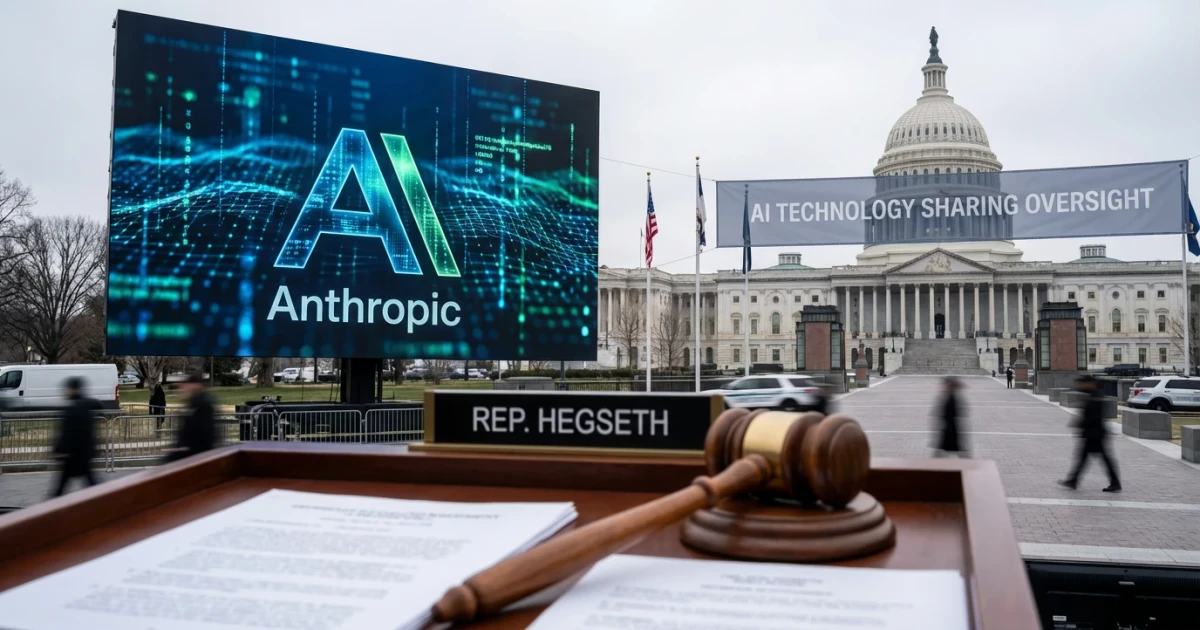
Congressman Peter Hegseth has escalated his standoff with leading artificial intelligence company Anthropic, threatening legislative action to compel the firm to share its cutting-edge AI technology with other U.S. stakeholders. The developments mark a new phase in the ongoing debate over competition, innovation, and national security in the rapidly advancing U.S. artificial intelligence sector.
Background: Policy Debates Intensify
According to The Washington Post, Hegseth’s warnings come amid concerns that Anthropic’s proprietary AI systems may give the company an outsized advantage in the commercial and defense markets. The congressman has indicated he is prepared to pursue legislative or regulatory measures to require technology sharing, should Anthropic resist voluntary cooperation.
These tensions highlight growing scrutiny on AI firms from lawmakers, who are weighing the risks and benefits of concentrated technological power. The Federal Trade Commission’s 2024 report on AI and competition notes that dominant players can influence market dynamics, innovation speed, and even national security outcomes.
Concerns Over Competition and Security
- Anthropic is widely regarded as one of the few U.S. companies with advanced large language model capabilities, alongside OpenAI and Google DeepMind.
- With AI adoption expected to grow by over 30% in coming years, lawmakers fear that a lack of technology sharing could stifle competition and limit broader industry innovation.
- National security officials have also raised concerns that concentration of AI technology could pose strategic vulnerabilities if access is not broadened across critical sectors.
Policy Tools and Legislative Options
Hegseth’s threat to force Anthropic to share its technology could involve several mechanisms. The Artificial Intelligence Accountability Act, introduced in the House, outlines potential frameworks for regulating access to advanced AI systems and mandates transparency in commercial applications. Meanwhile, the NIST AI Risk Management Framework provides guidelines for responsible development, risk assessment, and technology sharing among trusted entities.
While no direct quotes from the congressman or Anthropic are available in the published report, the standoff has captured the attention of policymakers, industry leaders, and technology advocates across the country.
Anthropic’s Position and Industry Response
Anthropic, known for its research on AI alignment and safety, has previously emphasized the importance of responsible technology stewardship. The company has released several open-source tools but keeps its most advanced models private, citing safety, ethical, and competitive reasons. Industry observers point out that forced technology sharing, while promoting competition, could risk exposing sensitive intellectual property or undermining incentives for innovation.
Looking Ahead
As the debate continues, the outcome of Hegseth’s push could set a precedent for how Congress approaches not just Anthropic, but all major AI firms operating in the U.S. The White House, through its Office of Science and Technology Policy AI Initiatives, is also expected to play a role in shaping future policy, balancing the imperatives of innovation, competition, and national security.
With pressure mounting on both sides, stakeholders across government, industry, and academia will be closely watching the next moves in this high-stakes policy contest.