Technology
Consumer brands use AI to speed up product development

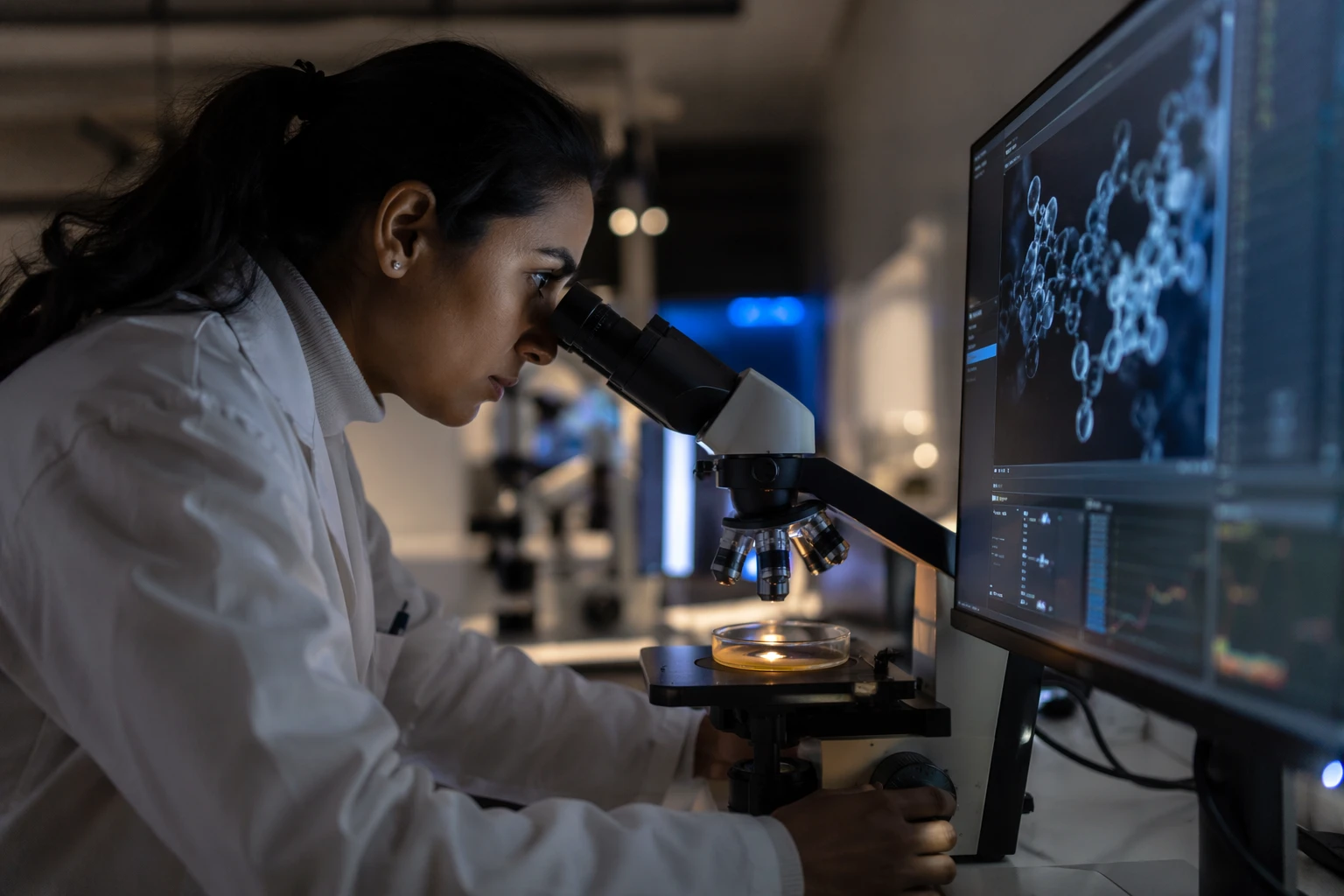
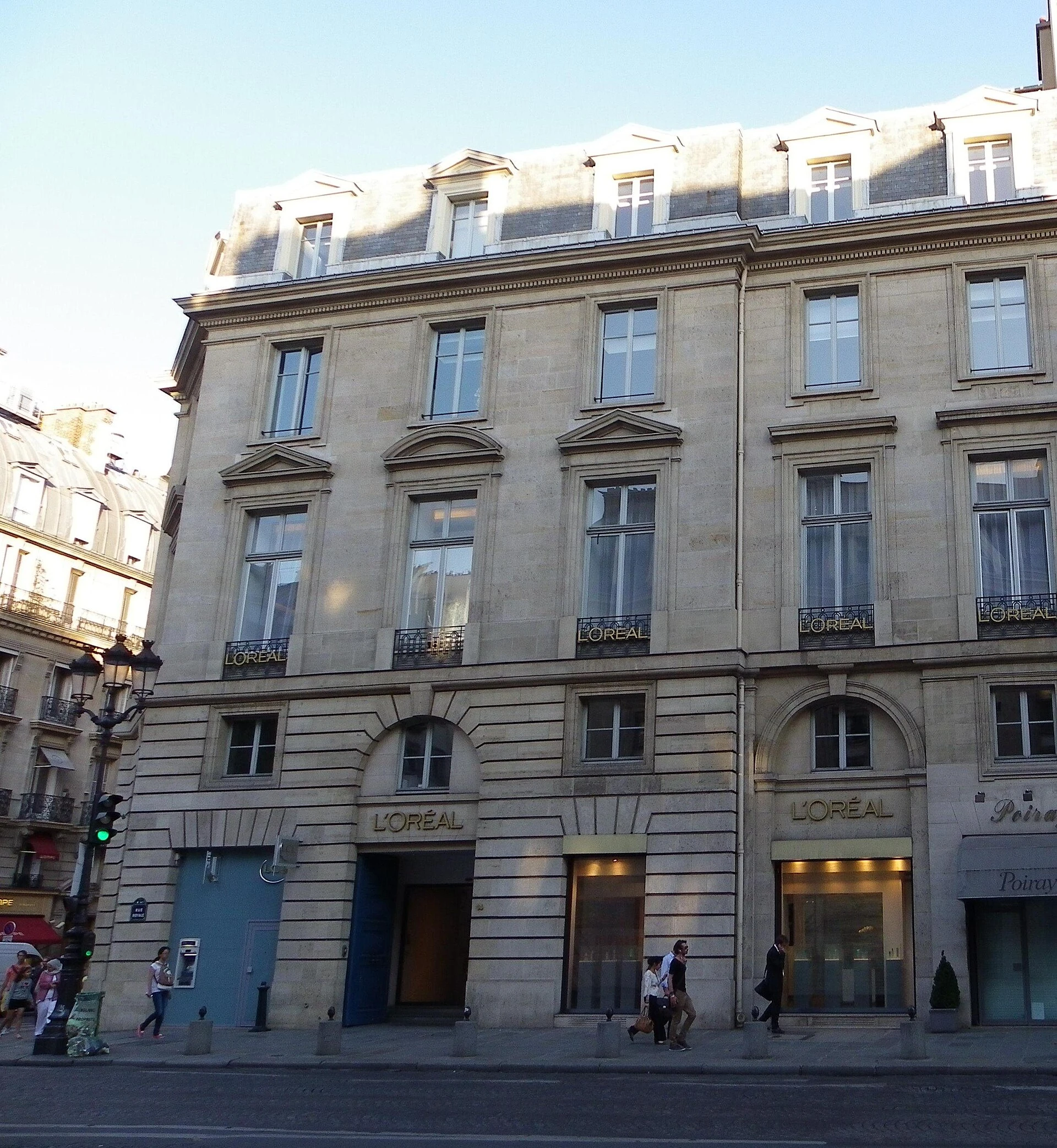
L'Oréal said artificial intelligence helped it repurpose molecules first identified for skincare into a shampoo designed to add lift and fullness to hair, and the company said product creation now moved four times faster than before. The beauty group started using AI in its labs four years ago, and its approach has shifted from marketing support to the chemistry of formulation itself.
The company deepened that push on March 17, 2026, when it expanded its AI partnership with Nvidia to accelerate beauty innovation through predictive AI science and computational chemistry. L'Oréal said the collaboration was designed to predict how molecules would perform and interact at an atomic scale, a technical leap that could cut the time needed to move from ingredient discovery to a product ready for testing and placement.
The same pressure to move faster is visible across food and health brands. Nestlé said it uses AI, machine learning, data science and predictive tools across its research and development work, including a recipe-optimization tool that helps balance ingredients, nutrition, cost and sustainability. The company also said its digital food-safety tools use big data in real time to identify and target supply-chain risks, a capability that matters when sourcing disruptions can ripple from a single ingredient to an entire product line.
Nestlé said it has reduced recipe specifications by about 50% since 2019 and by about 10% since 2024 as it simplified its portfolio and harmonized recipes. That kind of pruning can change what consumers see on shelves, not just in lab notebooks, because it reduces the number of variants teams have to manage while pushing developers toward formulas that are cheaper to produce, easier to source and more consistent to scale.
Other consumer companies are moving in the same direction. Haleon said on June 29, 2026, that it was beginning a five-year collaboration with Microsoft to expand digital, data and AI capabilities across the business and speed up its “Win as One” strategy. Mondelēz International said on June 16, 2026, that its CoLab Tech 2026 accelerator selected nine startups focused on environmental, supply-chain and regulatory challenges while accelerating front-end innovation and consumer experiences.
Taken together, the moves show how AI is moving from a branding slogan to a lab and supply-chain tool that can alter how products are designed, how fast they reach stores and how many formulations companies keep alive. The companies embracing it are betting that faster development, tighter ingredient control and better risk detection will decide which brands stay competitive as tastes, costs and sourcing all keep shifting.
Sources
- [1]money.usnews.com
- [2]loreal.com
- [3]nestle.com
- [4]haleon.com
- [5]ir.mondelezinternational.com