Business
Consumer Reports finds Uber and Lyft riders face widely different fares
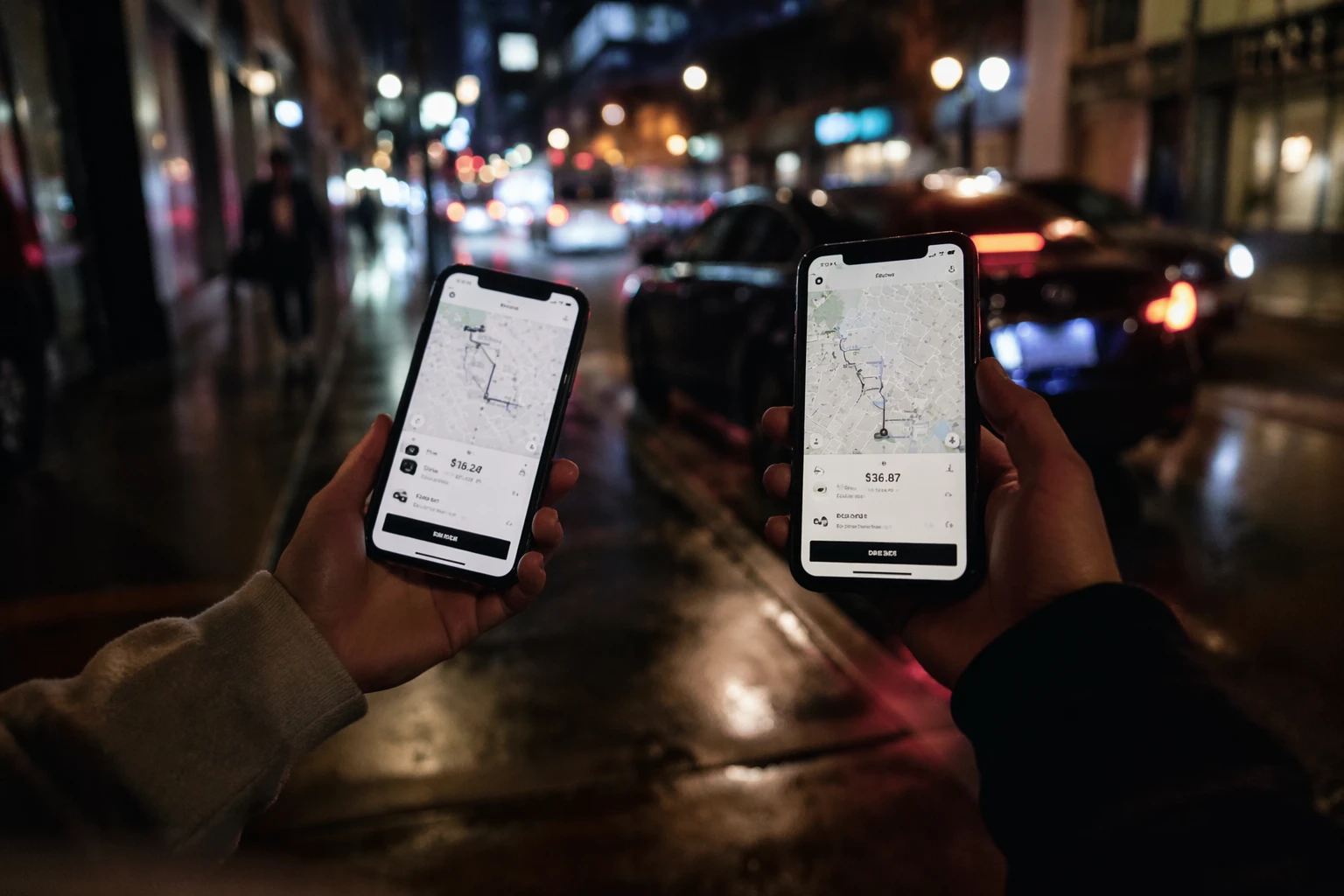
Two riders asking for the same Uber or Lyft trip at the same moment can still get sharply different prices, and Consumer Reports says the spread is wide enough to raise fresh questions about how much the apps infer about what customers will pay. In tests run across dozens of routes in 18 states, the median difference between the lowest and highest quoted fares was about 50 percent.
Consumer Reports recruited 174 volunteers in March and April 2026 to compare prices on the same ride requests. On one Kansas City, Missouri route, the group logged 29 different prices for 55 potential customers. In the Phoenix area, Uber fares after discounts ranged from $41.21 to $56.96, a difference of about 38 percent. Consumer Reports also said nearly 11 percent of discounts advertised on Uber and Lyft fit what it described as false reference pricing or fictitious discounts, suggesting that the headline fare shown to riders may not always reflect a genuine reduction.
Uber and Lyft denied that they personalize base fares, saying the differences come from real-time marketplace conditions. Uber disputed that the rides tested were truly the same trip, arguing that the exact moment a request is made and shifting market conditions can change the price. The companies have long used surge pricing, but the new findings suggest meaningful price gaps can persist even when riders are comparing the same route at the same time.
The findings land as algorithmic pricing faces growing political scrutiny. Consumer Reports said Connecticut and Maryland became the first states to ban certain forms of personalized pricing, and state lawmakers introduced 51 bills across 24 states in the first seven months of 2025 aimed at regulating algorithmic pricing. The House Committee on Oversight and Government Reform has also sent letters to Uber and Lyft seeking information about pricing practices, part of a broader look at surveillance pricing.
For consumers, the practical problem is simple: there is still little transparency about which signals move a fare, whether it is time of request, location, discount framing or some model trained to estimate willingness to pay. Consumer Reports framed the ride-share study as part of a larger debate over surveillance pricing, where companies can test how far they can push personalized pricing before regulators step in with clearer limits.