Lifestyle
Consumers Drive Shift Toward Value in Dining Out
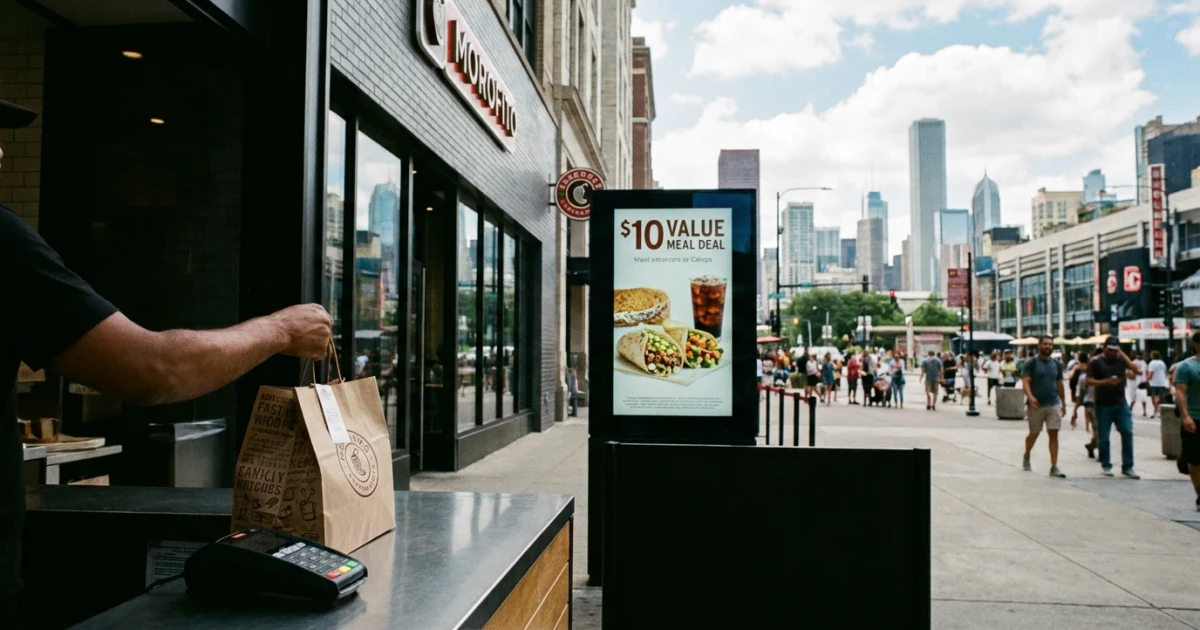
Dining out in the United States is undergoing a notable transformation as consumers increasingly seek greater value and convenience from their restaurant experiences. This shift has been observed across the industry, with a range of data and analysis highlighting how Americans’ dining habits are adapting to new economic realities and expectations.
Rising Restaurant Visits and Demand for Value
Recent studies show that restaurant visits have increased, signaling renewed interest in eating out after pandemic-related declines. According to NPD’s industry data, these increases are driven by consumers who are more focused on value and convenience than ever before. Many diners are opting for deals, promotions, and menu items that deliver substantial quality at affordable prices.
- Americans are choosing restaurants that offer combo meals, loyalty programs, and budget-friendly menus.
- Quick-service restaurants have seen greater growth as their value-driven offerings appeal to cost-conscious customers.
- Convenience remains a top priority, with digital ordering and delivery services gaining traction among all age groups.
Changing Spending Patterns and Inflation Impact
The drive for value is further underscored by the economic landscape. According to the USDA’s 2024 Food Price Outlook, food-away-from-home prices continue to rise, putting pressure on both consumers and restaurants. As a result, diners are more selective in their spending, seeking out options that maximize satisfaction without exceeding budgets.
Data from Statista shows that while overall restaurant sales have grown, the average check size has been affected by inflation and changing consumer preferences. Many people are choosing less expensive items or visiting less frequently, while others are trading down from full-service establishments to fast-casual or quick-service alternatives.
Key Consumer Trends Shaping the Market
- Consumers are increasingly using apps and online platforms to find deals and manage spending.
- Family meal bundles and shareable menu options are gaining popularity as diners look to stretch their dollars.
- Restaurant loyalty programs and membership discounts are influencing where people choose to eat.
The State Journal-Register observed that these shifts are not only changing how people dine out, but also how restaurants compete for business. Operators are responding by refining their menus, improving customer service, and investing in technology to enhance convenience and value perception.
Industry Response and Operational Changes
Restaurants are adapting to this value-driven environment by:
- Offering limited-time specials and seasonal promotions to attract price-sensitive customers.
- Streamlining operations to reduce costs and pass savings onto diners.
- Expanding mobile ordering, curbside pickup, and delivery options to meet demand for convenience.
The State of the Restaurant Industry Report 2024 notes that these strategies are crucial for maintaining competitiveness as consumer expectations evolve.
Looking Ahead: The Future of Dining Out
As inflation and economic uncertainty continue to shape consumer behavior, the restaurant industry is likely to see further innovation in value offerings and service models. Research from the National Retail Federation suggests that diners will keep prioritizing affordability, convenience, and digital engagement when choosing where and how to eat out.
Ultimately, the pursuit of value is driving a more dynamic and customer-centric restaurant landscape. Operators who successfully adapt to these changing preferences are expected to thrive, while those slow to respond may face challenges in attracting and retaining guests.