Franklin County Telehealth Expansion Set to Transform Healthcare for Isolated Farms by 2026
As a revolutionary act, announced today, January 4, 2026, the Franklin County, Iowa, authorities have shared a proposal for an extensive telehealth growth program to bridge the gap between isolated farms and rural populations and the much-needed medical care.
Focused on the town of Sheffield, this program is set to address healthcare inequalities by utilising high-tech digital tools, so even the most rural agricultural family can receive quality services without a long-distance commute.
The project is timely as rural America is still struggling with dwindling medical institutions and an ageing population. The extensive agricultural lands in Franklin County, which feature family farms, have been experiencing healthcare delivery issues.
The extreme winter weather, the uncertainty of the weather, and the distance between the premises usually make regular doctor visits a logistical nightmare. The intention behind this new expansion, which will be funded by both federal grants to the rural areas and state funds, is to ensure this narrative is transformed forever.
Tackling Rural Healthcare Problems Head-On
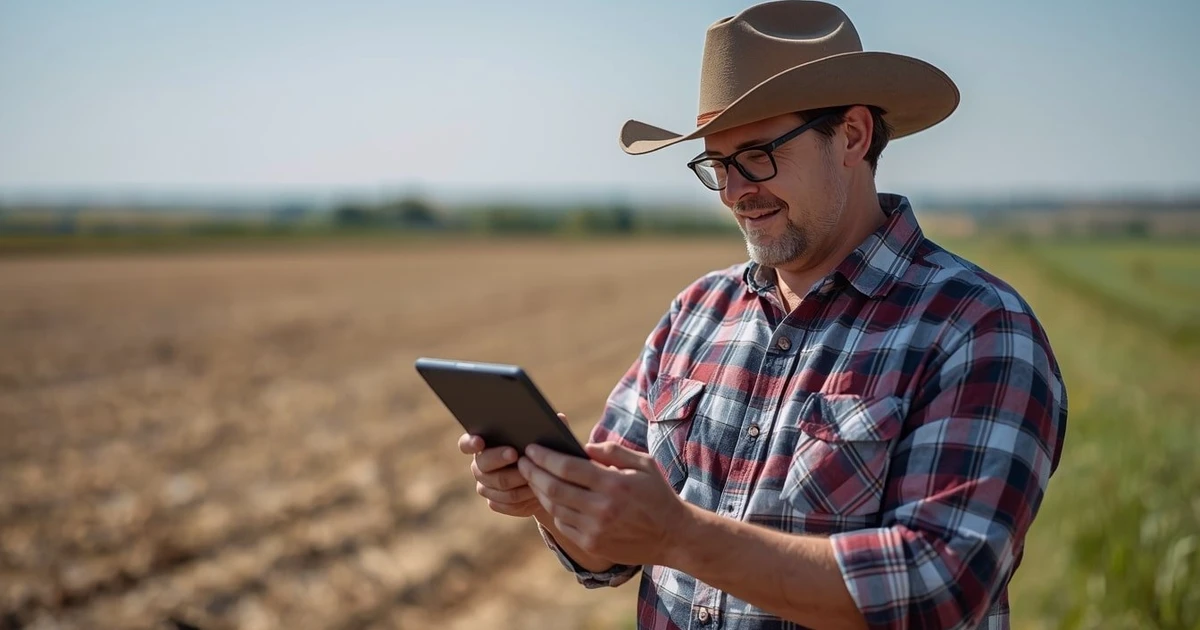
The telehealth program in Franklin County is customised to meet the needs of the county’s agricultural residents. Rural areas, such as Sheffield, where the population is low, and roads will be inaccessible during snowstorms or floods, will have access to high-speed internet upgrades and subsidised telehealth devices. Among them are convenient tablets with secure video conferencing applications, inbuilt health-tracking devices, and even prescription delivery via drones in collaboration with local pharmacies.
County Health Director Elena Ramirez explained the reason the project needed to be implemented urgently during a press conference at the Sheffield Community Centre. She noted that telehealth promotion in the country has increased during the COVID-19 pandemic, yet rural settings such as Franklin County have remained isolated due to insufficient infrastructure.
The time could not be better, as extensions to the Medicare telehealth waivers will continue until the end of the first quarter of 2026. The program shall focus on preventive care, mental health, and chronic disease management- problems that farmers struggling with the burden of uncertainties in crop production and economic strains out of proportionate to their needs will encounter.
The introduction of telehealth stations in key community centres (including the Sheffield Farmers Cooperative and local grange halls) will also ensure access to the project for patients without personal devices. This is an intermediate method that involves virtual consultations and periodic physical check-ups, allowing farmers to leave their businesses without having to attend to them.
Think of a dairy farmer living in one of the county’s remote areas who might have a specialist he can meet with about a persistent back injury without having to drive hours to the closest hospital. That is the fact that this expansion envisages.
Staged Rollouts and Technological Support
The implementation is done in stages to maximise productivity and minimise disruptions. The first wave will begin in the middle of 2026 and will cover the most remote farms in Sheffield and the townships. Broadband providers have used the recent federal grants for rural digital opportunities to install fibre-optic lines in underserved areas. It is projected that by the end of the year, more than 500 farms will be connected, with complete coverage across all counties by 2027.
The core of the system is a secure cloud-based platform created in collaboration with the Iowa state health department and technology companies focused on rural connectivity. It can be characterised by features such as real-time vital sign monitoring via wearables, AI-aided triage for non-emergency concerns, and multilingual support for the farmworker population. The privacy issue has also been resolved through strong encryption standards, which comply with federal health data standards.
Local stakeholders are also significant to the program’s development; they include the Franklin County Farm Bureau. According to the president of the bureau, Marcus Hale, farmer input was critical in adapting the technology to on-the-job requirements. An example is that the system has considered spotty cell service by including satellite backups, allowing consultations even during power cuts prevalent during the stormy season.
Social Implications and Community Impact
The economic and qualitative changes in Franklin County’s life cannot be overstated. Untreated conditions are more common on isolated farms, leading to lost productivity and higher healthcare costs in the future. The program will reduce emergency room visits by at least one-third, according to the county analysts, by having specialists in areas such as orthopaedics, cardiology and behavioural health come to the farmers’ screens.
People living in Sheffield have been hopeful regarding the changes. Lydia Thompson is a long-time farmer with a 200-acre grain farm on the outskirts of the county, and she has her own narrative. She remembered a moment when a minor ailment worsened because she could not spare time to visit a doctor, fearing she would lose her way to work in the field. Through telehealth, she thinks such situations will be left behind; she can continue doing what she does while also focusing on her health.
In addition to short-term gains, this growth will serve as an example to other rural counties in the U.S. As isolation caused by climate change due to extreme weather conditions increases, creative solutions such as this one may encourage changes across the nation. The office of the Iowa Governor has already expressed its interest in rolling the program across the state, with the possibility of combining it with the agricultural extension services to provide comprehensive support to farmers.
Looking Ahead: Franklin County Healthy Future
Specific challenges still face Franklin County as this telehealth expansion is underway, including training older residents in technology and ensuring equitable access for low-income households. Nevertheless, the teamwork spirit that was witnessed during the planning stages is a good omen for success. A series of community workshops will also be held in the spring to introduce users to the tools and help them feel a sense of ownership and empowerment.
The future of the healthcare industry in Sheffield and elsewhere will be significantly different by 2026. Isolated farms will no longer be out of touch with the medical progress made in the cities. The initiative not only aims to tackle short-term needs but also to invest in the long-term resilience of rural communities, thereby proving that technology can indeed level the playing field. It is a monument to what is possible when local innovation is combined with federal backing as the program unfolds, laying the groundwork for a healthier and more connected Franklin County.