Iowa Gas Prices Drop Ahead of the Weekend: What Drivers Need to Know Today
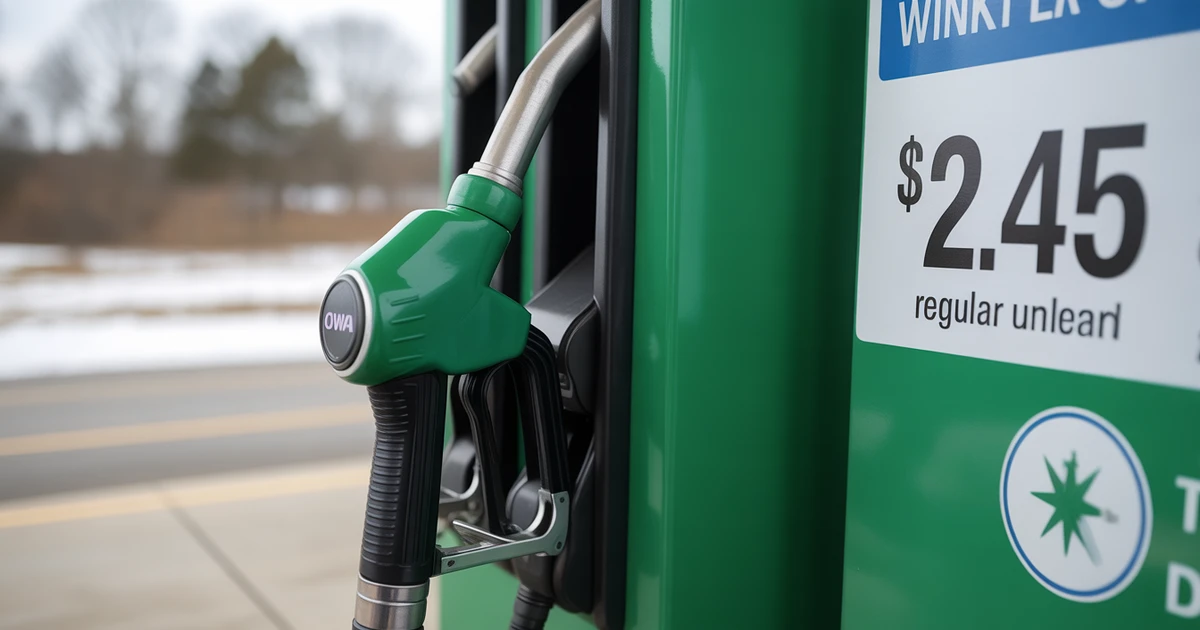
There is a positive change in gas prices in the Hawkeye State, and gas prices will take a tangible step downward as the weekend draws closer. The gas prices in Iowa will provide some relief at the pump amid the cold weather in January. The mean gasoline price is around 2.45 per gallon as of January 14, 2026, for regular unleaded gasoline, which is lower than it was one week ago (2.50).
This negative growth has been more pronounced in rural counties such as Franklin, as local stations are picking up on the trend. As the weekend approaches, analysts are looking at further price declines, which could fall below 2.40 in certain parts due to seasonal considerations and market forces worldwide. For drivers preparing for road trips or commuting to work every day, this may mean significant savings, particularly for families planning a mid-winter adventure.
In Iowa, the drop in fuel prices has been gradual over the last couple of weeks, but the state average is very low compared to the rest of the country, at approximately 2.82 cents per gallon. In cities such as Des Moines and Cedar Rapids, they average 2.42 to 2.48 due to increased competition from large chains. The story, however, differs slightly in more rural areas due to logistics, distribution, and reduced volumes.
Franklin County, which is situated in the north-central part of Iowa, is one such example. In this case, Hampton county seat records a price of approximately 2.54 per gallon at the most popular stops, and the surrounding areas of Sheffield and Latimer are averaging about 2.49. It is a lowering of the previous week’s highs of $2.58 in certain regions, which is a relief to local farmers and commuters who rely on personal cars.
The drop highlights the impact of transportation expenses and local demand on the price of the pump, with Franklin County, because of its agricultural orientation, occasionally having a small effect on the price, which is slightly higher than the state average. Nevertheless, the trend is generally downward, which is more consistent with national trends in the Midwestern region, where low temperatures usually reduce driving activity.
A number of major drivers are coming together to push the gas prices down in Iowa this January. First of all, the price of crude oil has been softening on the international market, and the West Texas Intermediate benchmark is now below 70 per barrel because of an abundance of supply and reduced demand from key economies.
This ripple effect has been felt soon in local refineries, which refine much of the fuel dispensed throughout the Midwest. Moreover, demand during winter is traditionally lower than during summer, with fewer individuals taking long-distance journeys and heating switching to natural gas and propane. The recent light weather conditions in Iowa have heightened this seasonal lull by reducing the importance of travelling. Maintenance schedules for the refinery have also been affected by facilities operating at high capacity without significant disruption, and hence they continue to produce the same output.
Another cause cited by the analysts is geopolitical stability in the oil-producing areas, as opposed to the spikes experienced in previous years due to supply chain tensions. In the case of Franklin County, in particular, the decline is statewide in nature but is moderated by the fact that Franklin County is relatively far from the major pipelines, and local suppliers have readjusted stocks to reflect savings. These macroeconomic and local factors have provided the perfect timing for price relief, as locals head to weekend shopping or visit local attractions such as the Franklin County Fairgrounds, even during the low season.
Influence on Drivers and Local Economy
This price cut is coming at the right time for ordinary Iowaans. As inflationary pressures ease in other sectors, fuel prices will be lower, and households will have more disposable income, especially in rural areas where work, school, and shopping trips require more miles driven. Even commuters to bigger hubs like Mason City or Ames would save over $5 or even more than ten dollars a tank-up at highs in December.
Small enterprises such as farms or delivery services will also get a boost from this, with the opportunity to reduce operating costs, which could help stabilise the prices of goods and services. Nevertheless, the decline is not in an even manner, diesel prices, which are important to the agricultural sector of the state, have just been falling to approximately $3.25 per gallon which can be attributed to the continuing demand of heavy machinery fuel.
In Franklin County, where corn and soybeans are the leading crops, there is optimism that farmers are protected by the fact that savings from lower gasoline prices are used on personal cars, but the more important factor is the cost of energy in general for equipment. The trend, in general, creates a feeling of economic buoyancy, which will encourage more domestic expenditure and travel that might support tourism during the colder winter months.
How to Save More at the Pump
Smart habits can help savvy drivers maximise these savings. Rough-travelling routing to run many errands at once reduces unnecessary mileage, whereas maintaining a good tyre pressure and taking vehicles in for frequent servicing allows them to be used more efficiently. It will be better to pay in cash at some stations, which offer a discount because the extra credit card charge is avoided. Chain customer loyalty programs, such as Casey’s or Hy-Vee, can be used to earn points that can be redeemed for a discount in the future, which is particularly helpful in Franklin County, where these shops are common.
Apps that access real-time prices can be monitored to make strategic refuelling at the lowest available prices. For people who own flexible-fuel vehicles, adding ethanol mixtures such as E15, which is relatively cheaper and backed by biofuel incentives in Iowa, is an additional cost-saving. Not using rush periods at the stations will avoid wasting time in lines, and easy acceleration can help increase the range per gallon. With such measures, motorists will not only benefit from the existing decrease but also build resilience to future changes.
Weekend/ Beyond Prognosis
From the perspective of the coming weekend, January 17-18, it is expected to ease further, with another 2-5 cent decline possible across the state if crude oil prices remain stable. In Franklin County, prices might stabilise at around 2.50, unless unforeseen weather conditions cause the heating alternative demand to skyrocket.
In the long run, the professionals estimate that Iowa averages may reach sub-2.40 by February due to the abundance of U.S. stocks and effective refinery operations. Nevertheless, this direction may be altered by variables such as international trade policy or an abrupt demand surge driven by economic recovery. In the meantime, the message is simple: fill up before these prices get higher. This price relief is a reminder to Iowa drivers of how global markets relate to local lives as the state manoeuvres through the winter, a minor but substantial victory for every driver around the world.
This growth underscores the strength of the Iowa energy industry, which is responsive to changes that ultimately benefit consumers. It is not just Franklin County residents who are travelling to local events; it is not just travellers who are going through; regardless of your situation, it is always best to be aware of such favourable conditions. As prices are decreasing, the future appears a bit easier for everyone.