Sheffield Officials Announce Infrastructure Improvements Following Public Concerns
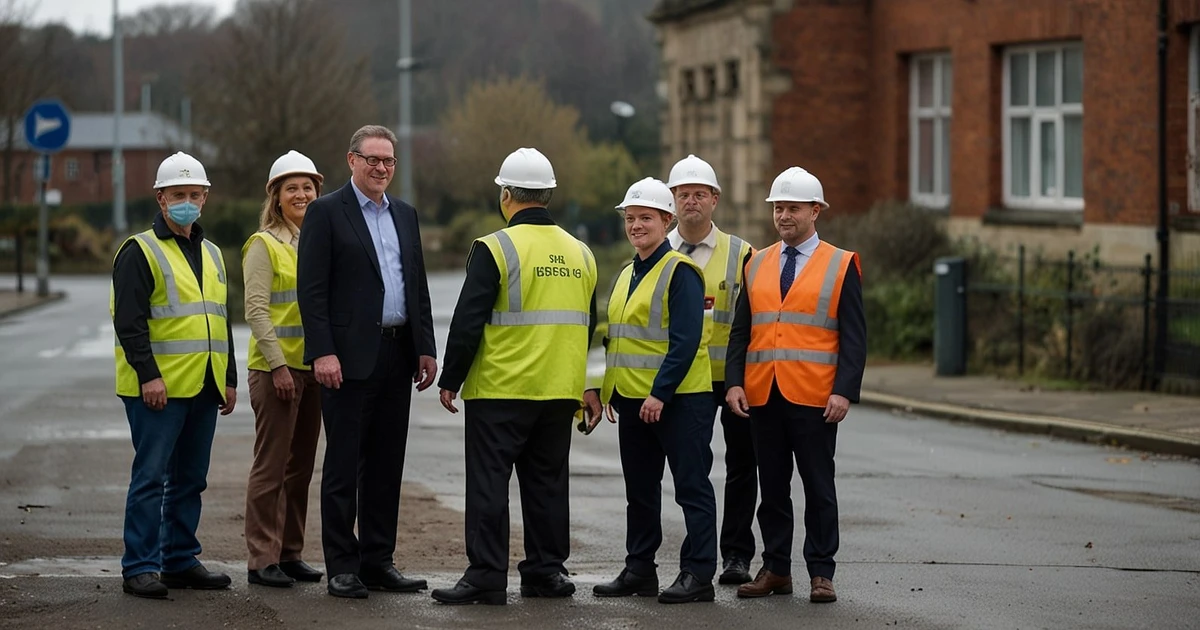
In a significant step to solve an issue that has long been a complaint of its residents, Sheffield city authorities announced a major infrastructure upgrade plan on December 15, 2025.
This announcement was made at a press conference at City Hall amid mounting social pressure over the poor state of the roads, the inefficient public transport, and the inefficient utilities. Mayor Elena Hargrove focused on the city’s revitalisation of the main territories, saying the changes are necessary to promote economic development and improve living standards.
Projected Major Infrastructure Projects
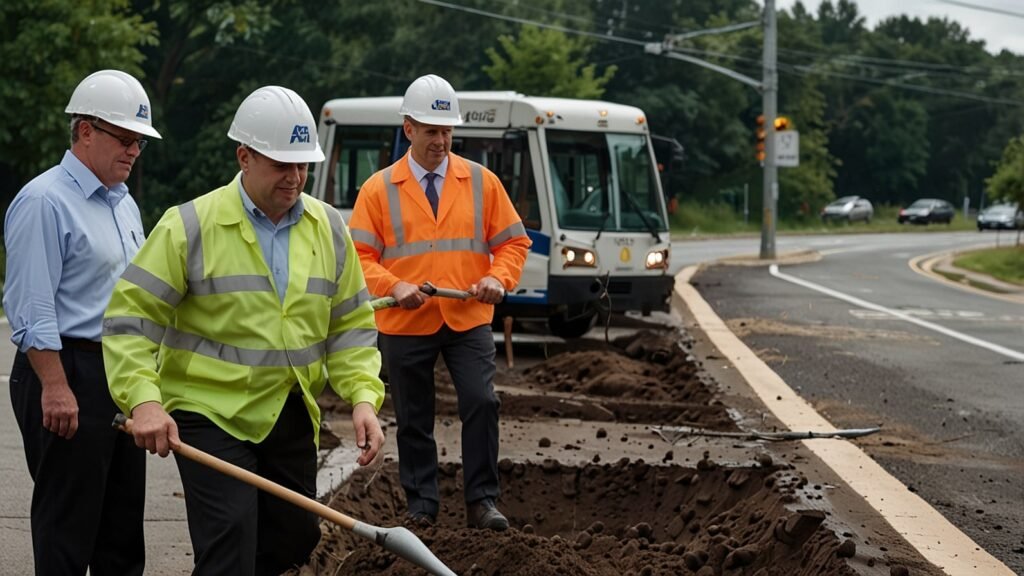
The program involves PS150 million in spending over the next three years, with road resurfacing, bridge strengthening, and increased cycling lanes among the areas to be addressed. Authorities emphasised the A61 highway repair, which has been known to have potholes that have caused many accidents.
Furthermore, the improvements to the tram network are intended to help minimise delays by incorporating intelligent signalling systems. The water and sewage systems in the old neighbourhoods, such as Hillsborough, will be modernised to prevent frequent flooding, which is consistently reported during heavy rain. These projects are considered the highest priority based on information from recent surveys of the population, with over 70% of the population ranking infrastructure as their first priority.
Response to Public Feedback
The strategy is a direct response to issues raised during town hall meetings and petitions from 2025 through 2025. People had expressed concerns about poor pedestrian crossings and street lighting, especially in the suburbs.
As observed by Councillor James Patel, the community had significant input into the formulation of the proposals, which included special provisions for environmentally friendly projects, such as solar-powered streetlights.
The environmental groups have also been pleased with the introduction of green infrastructure, including rain gardens to control stormwater, which aligns with Sheffield’s net-zero aspirations by 2030.
Implementation Schedule and Budget
It will start working early in 2026, and the first phase will cover high-traffic areas to reduce inconvenience. The finances will be made up of local taxes, government grants and partnerships with the private, and no resident will experience an immediate increase in rates.
The authorities promised to be transparent by providing quarterly progress reports and maintaining a dedicated website for real-time updates. Such a proactive move would generate more than 500 construction and engineering employment opportunities, thereby improving the local economy.
Greater Applicability to Sheffield
The advancement is not only about short-term solutions but also an indication of sustainable urban development. By solving these problems, Sheffield can become a destination for more businesses and tourists, serving as an example to other UK cities.
The locals, such as the shop owner Maria Lopez, were hopeful that the developments could revolutionise the commute and safety conditions. This announcement is a landmark in the city, as it marks progress toward addressing the needs of the people through government action, and it may set a precedent for other urban planning in the country.