Lifestyle
Controversial True Crime Restaurant Sparks Debate as It Expands Nationwide
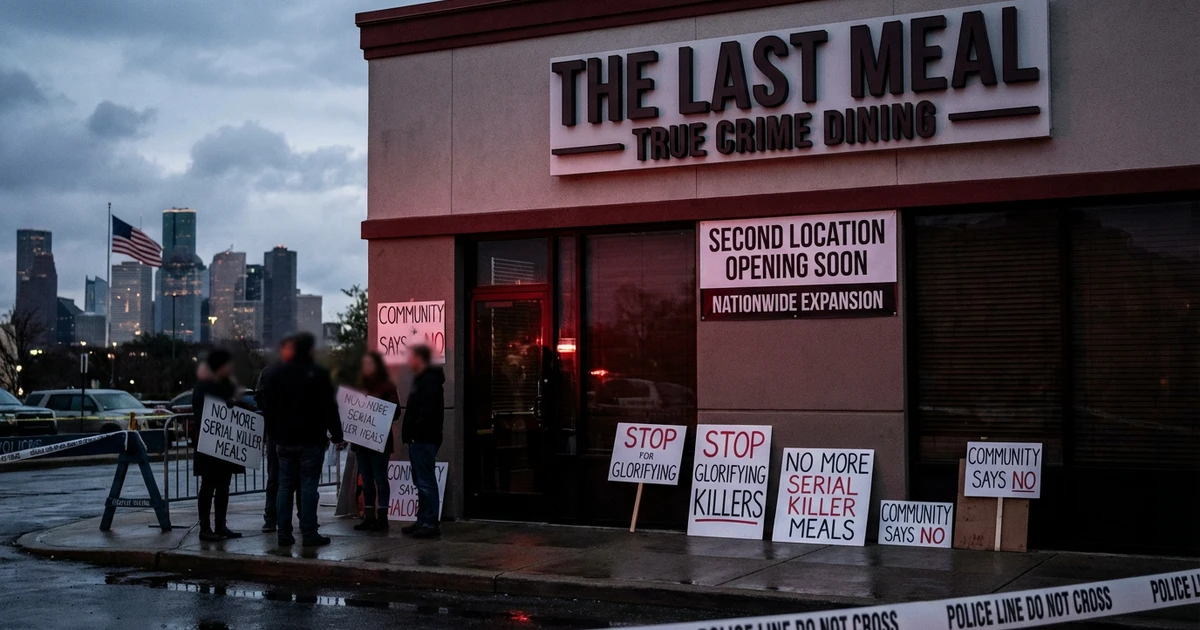
A unique true crime-themed restaurant that recreates the last meals of notorious serial killers is at the center of heated debate, following its expansion into a second city. The concept, which has drawn widespread public backlash, raises questions about the boundaries of entertainment and the ethics of capitalizing on real-life tragedy.
The Restaurant Concept: Serial Killers’ Last Meals on the Menu
The restaurant, whose identity is synonymous with the true crime obsession sweeping pop culture, offers diners the chance to order meticulously recreated versions of the final meals requested by infamous serial killers before their executions. These dishes range from simple comfort foods to elaborate spreads, each accompanied by descriptions of the criminal’s last moments. Themed décor, menu designs, and marketing all draw heavily from true crime lore, aiming to offer an immersive—and controversial—dining experience.
Expansion and Escalating Backlash
After the original location generated significant buzz—and criticism—the restaurant announced its expansion into a second major city. This move has reignited public outrage, with critics arguing that the concept is insensitive to the victims of violent crime and their families. Social media has amplified calls for boycotts, and some community leaders are urging city officials to reconsider permits for the new location.
- Ethical concerns: Many argue the restaurant glorifies or trivializes serious crimes.
- Public response: The expansion has led to renewed protests and negative reviews, especially from victims’ advocacy groups.
- Business defense: While supporters claim the establishment is a creative form of social commentary, detractors see it as exploitative.
True Crime Fandom Meets Real-World Impact
The popularity of true crime podcasts, documentaries, and books has surged in recent years. However, critics say transforming these stories into a restaurant experience crosses a line, commodifying real-life suffering for profit. The restaurant’s expansion has sparked broader conversations about the impact of true crime entertainment on survivors and the general public. While some defend the concept as darkly fascinating and thought-provoking, others see it as a tasteless marketing ploy.
Community and Victim Advocacy Reactions
Victims’ advocates have been particularly vocal, stressing that the restaurant’s theme reopens wounds for families impacted by violent crime. Local organizations in both cities have organized petitions and awareness campaigns, encouraging potential patrons to consider the real-life consequences behind the menu items. City officials have reportedly received numerous complaints but have yet to take official action regarding the restaurant’s operating permits.
Looking Ahead: Ethical Boundaries and Consumer Choice
As the restaurant continues to expand, the controversy highlights ongoing tensions between creative expression, business innovation, and moral responsibility. The debate is likely to intensify as more cities confront the decision of whether to welcome—or reject—this provocative dining experience. Ultimately, the public’s response may determine the future of the restaurant and others like it, as consumers weigh their curiosity against concerns for sensitivity and respect.
For further reading on the ethics of true crime entertainment and its impact on society, consider exploring resources from victims’ advocacy groups and cultural critics.
Sources
- [1]Fox News