Health
Controversy Erupts Over Proposed US Vaccine Trials in Africa
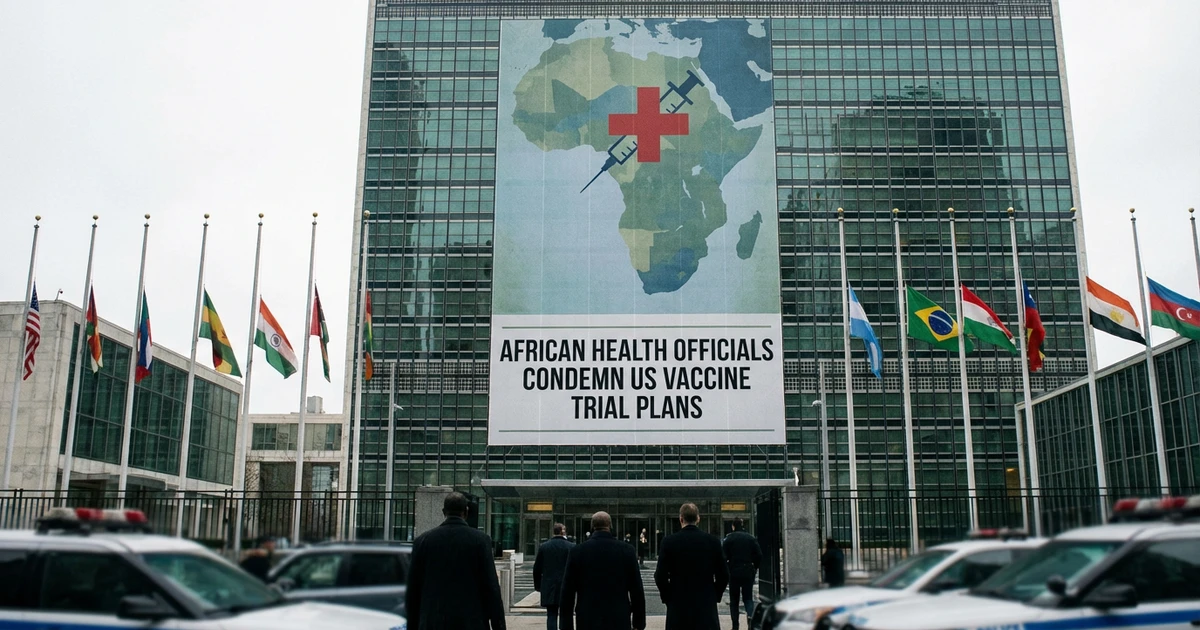
Intense criticism has erupted following the Trump administration's proposal to conduct human vaccine trials on West African babies, as top African health authorities publicly denounce the plan. The controversy highlights ongoing ethical debates surrounding global health research and the rights of vulnerable populations.
Trump Administration's Vaccine Testing Plan Draws Fire
Recent plans put forth by the Trump administration to launch vaccine trials in West Africa have come under sharp scrutiny from medical officials across the African continent. The proposal, reportedly known as the "Kennedy Plan," aimed to begin testing a new vaccine on infants in select West African nations. Details regarding the vaccine's target disease and the exact scope of the trials have not been fully disclosed, but the plan quickly raised alarm among local and international health experts.
African Health Officials Respond
Leading African health officials have voiced strong opposition to the initiative, arguing that the plan exemplifies a disregard for ethical standards and the rights of African populations. The official criticism underscores a historical context in which experimental medical practices have sometimes been conducted in Africa without adequate safeguards or consent. Experts have insisted that any clinical research on the continent must adhere to internationally recognized ethical guidelines and prioritize the well-being and autonomy of local communities.
Vaccine Trial Ethics Under the Microscope
This latest dispute revives a longstanding debate about medical research in developing nations. Advocacy groups and watchdogs have frequently called for greater transparency, community involvement, and informed consent in the design and execution of clinical trials. The backlash against the Trump administration's vaccine testing proposal echoes these concerns, with many stakeholders demanding that African nations set their own priorities and ethical standards for research conducted within their borders.
- Key issue: The right to informed consent and protection for vulnerable populations in medical research.
- Historical precedent: Past controversies over foreign-led medical experiments in Africa have fueled widespread mistrust.
- Current status: The proposed trials have been effectively blocked following public outcry and official opposition.
International Reactions and Forward Outlook
The international community has taken note of the swift pushback, with global health organizations reiterating the importance of ethical oversight and collaboration when conducting research in any country. While the Trump administration has not commented publicly on the mounting criticism, the cancellation of the "Kennedy Plan" for vaccine testing in West Africa is seen as a victory for advocates of medical ethics and African sovereignty in health policy.
As new medical technologies and vaccines are developed worldwide, such incidents highlight the need for transparent, inclusive, and ethical approaches that respect the rights and voices of all populations involved. The current episode serves as a reminder that global health initiatives must balance scientific progress with unwavering respect for human rights and ethical standards.
Sources
- [1]Futurism