Science
Cosmic Breakthrough: Scientists Find Space Molecule That Sheds Light on Origins of Life
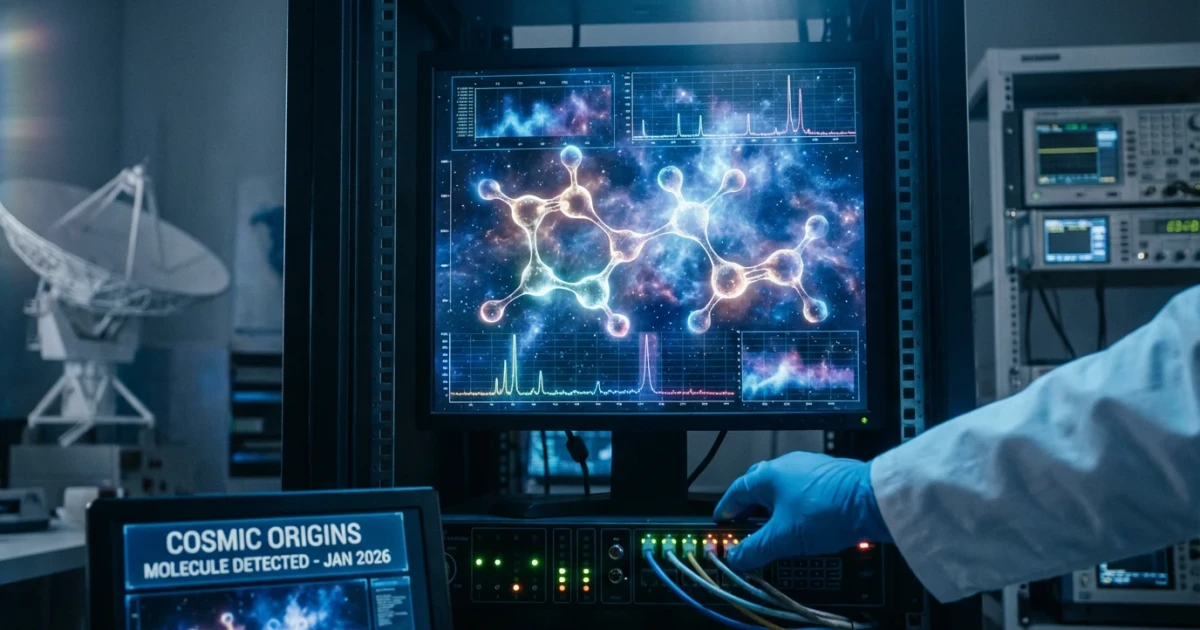
Scientists have detected a rare sulfur-bearing cyclic hydrocarbon molecule in space, marking a significant step forward in the quest to understand the origins of life in the universe. The discovery, announced by researchers and reported by CNN, reveals new insights into the chemical processes that may have sparked life as we know it.
Discovery of a Key Molecule in Space
The research team identified a unique molecule—a sulfur-containing cyclic hydrocarbon—within interstellar clouds. According to the findings, this molecule had never before been detected in space. Its structure is considered a crucial component in the complex chemistry that could eventually lead to the development of amino acids and other life-related organic compounds.
- Sulfur-bearing cyclic hydrocarbons are a class of molecules believed to play a vital role in prebiotic chemistry.
- These molecules are considered possible precursors to the building blocks of life, such as amino acids and nucleotides.
Why This Discovery Matters
The presence of such molecules in interstellar environments supports theories that the essential ingredients for life can form in space and be delivered to young planets via comets, asteroids, or interstellar dust. This adds weight to the hypothesis that life on Earth—and potentially elsewhere—may have cosmic origins.
Previous research has identified simpler organic molecules, but this is one of the first times a complex, sulfur-containing cyclic molecule has been found beyond Earth. The molecule's structure makes it more stable and reactive, providing a likely pathway for more intricate chemistry to unfold in the cold and harsh conditions of space.
Implications for Astrobiology
The detection suggests that chemical environments capable of producing life's precursors are not unique to Earth. Instead, they may be widespread throughout the galaxy, increasing the chances that life could arise elsewhere. Scientists emphasize that discovering these molecules in space helps fill in gaps in our understanding of prebiotic chemistry and the steps that may have led to the genesis of living organisms.
Next Steps for Research
Researchers plan to use advanced telescopes and spectroscopic techniques to search for similar molecules in other regions of space, especially in star-forming regions and planetary systems under development. These efforts aim to build a more complete picture of the chemical evolution that precedes biological life.
Conclusion: Piecing Together the Cosmic Puzzle
This breakthrough is an important milestone in astrochemistry and the study of life's origins. By identifying complex organic molecules in space, scientists are steadily piecing together the cosmic puzzle that may one day explain how life emerged on Earth—and whether it could exist elsewhere in the universe.
Sources
- [1]CNN