Science
Cosmic Confidence: Six-Year Study Validates Standard Model—But Raises New Questions
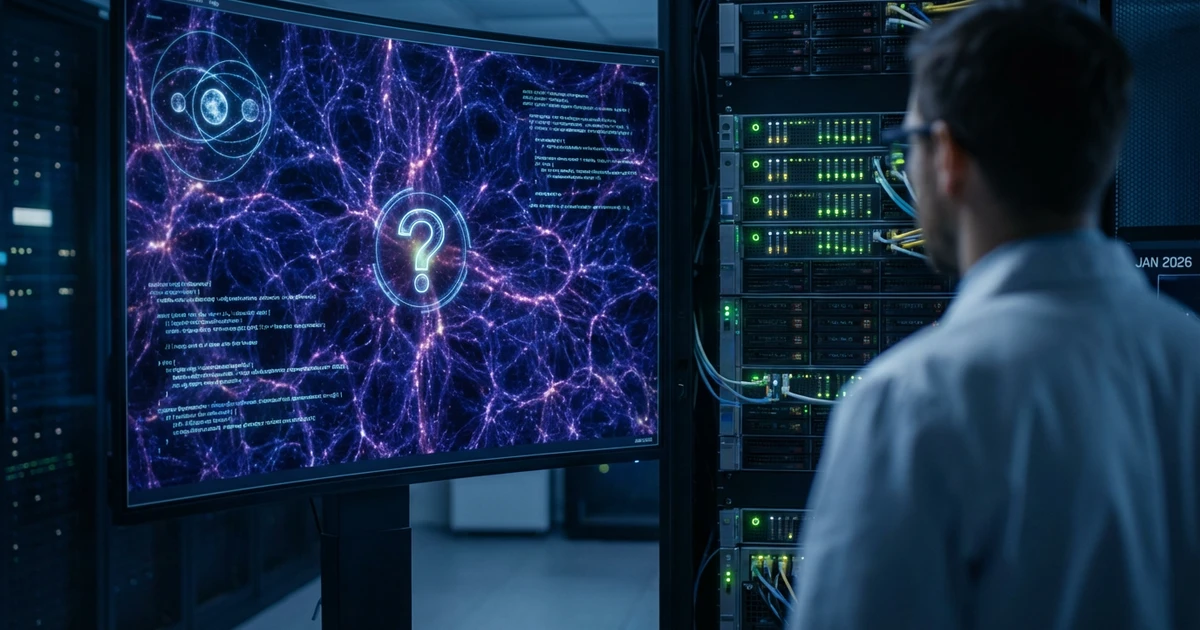
The universe just got a little clearer—at least for now. After six years of meticulous observation and data analysis, scientists have announced that the standard model of cosmology stands stronger than ever. This model, which has long served as the foundation for our understanding of the universe’s structure and evolution, continues to match up with the most comprehensive data yet gathered about the cosmos. But this triumph comes with a crucial caveat, ensuring that the quest to unlock the universe’s secrets is far from over.
The Standard Model Stands Strong
The six-year study represents one of the most ambitious and rigorous attempts yet to test the standard model, officially known as the Lambda Cold Dark Matter (ΛCDM) model. This model describes a universe composed of ordinary matter, dark matter, and dark energy, and it predicts how cosmic structures like galaxies and clusters should form and evolve over time.
- Extensive data analysis over six years provided the clearest picture of the universe’s composition and structure to date.
- The study reaffirms that the standard model’s assumptions about the nature of dark matter, dark energy, and the universe’s expansion hold up under scrutiny.
Scientists involved in the project celebrated the confirmation, stating that the results mark a significant milestone in cosmic research. The phrase "the dream has come true" encapsulates the excitement within the astronomical community, as the model’s predictions continue to match observations across an unprecedented data set.
One Big Caveat Remains
Despite this sweeping validation, researchers caution that there remains a notable exception—a caveat that prevents the model from being declared complete and unassailable. While the specifics of this caveat were not detailed in the initial report, its mention underscores a recurring theme in cosmology: the more we learn, the more questions arise.
Historically, discrepancies have surfaced when comparing measurements of the universe’s expansion rate, known as the Hubble constant, from different methods. Tensions like these, sometimes called the "Hubble tension," have led scientists to consider possible new physics beyond the standard model. This latest study, while largely confirming the model, suggests that subtle inconsistencies or unexplained phenomena may still lurk within the data, keeping the door open for future discoveries.
What This Means for the Future of Cosmology
For now, the cosmological community can take comfort in the resilience of the standard model. Its continued accuracy provides a sturdy framework for ongoing research, from investigations of dark matter and dark energy to studies of cosmic inflation and the universe’s earliest moments.
- This confirmation allows scientists to pursue even more precise measurements and to refine the model’s parameters.
- The caveat highlights the importance of remaining open to new theories and data that could challenge or extend our current understanding.
Looking Ahead: The Quest Continues
The news marks both an achievement and a challenge. As the data continue to pour in, researchers will be watching closely for any anomalies that could point to new physics or demand a revision of the standard model. The dream of a perfectly complete understanding of the cosmos remains just out of reach—but for now, the standard model stands as science’s best guide through the vastness of space and time.
To follow the ongoing story of our universe and to dive deeper into the science, visit Live Science for expert analysis and updates on cosmic research.
Sources
- [1]Live Science