Health
Could the Shingles Vaccine Be a Key to Slowing Aging? New Research Sparks Hope
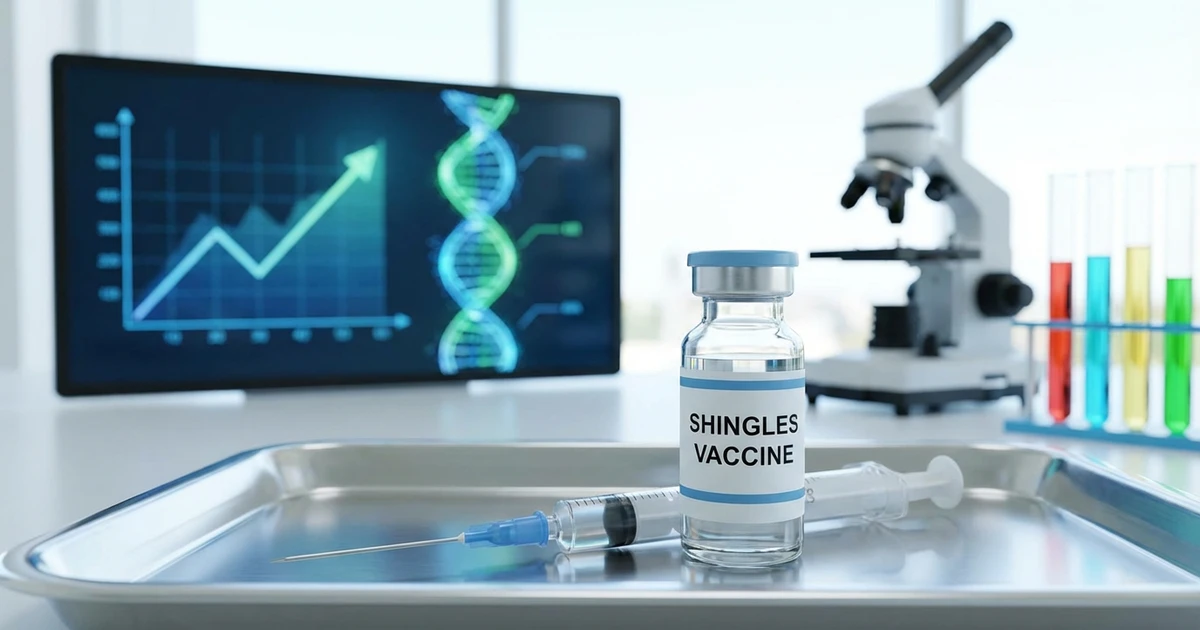
New research is raising intriguing questions about the potential for the shingles vaccine to do more than just prevent debilitating infections. Recent studies suggest that vaccination against shingles may actually play a role in slowing biological aging in older adults, sparking excitement among scientists and the public about a possible new tool in the fight against aging.
Exploring the Link Between Vaccines and Aging
Shingles, also known as herpes zoster, is a reactivation of the chickenpox virus that can cause severe nerve pain and other complications, particularly in older adults. The shingles vaccine has long been recommended to prevent these health issues. However, a growing body of evidence now suggests that the benefits of the vaccine may extend beyond infection control.
According to reports from Medical News Today, researchers have found preliminary evidence that receiving the shingles vaccine could be associated with a slower rate of biological aging. Biological aging refers to the gradual deterioration of cellular and molecular function, which increases the risk of age-related diseases. Slowing this process could have profound implications for health and longevity.
What the Studies Show
- Reduced biological aging markers: Researchers found that older adults who received the shingles vaccine showed reduced levels of certain biomarkers associated with biological aging, compared to those who did not receive the vaccine.
- Improved immune system function: The vaccine appears to boost immune system resilience, which naturally declines with age.
These findings are based on observational data and early clinical evidence. The research suggests that by preventing the inflammation and immune stress caused by shingles, the vaccine may help preserve cellular health and slow the aging process. However, experts emphasize that more research is needed to confirm these effects and understand the underlying mechanisms.
Potential Implications for Longevity
If further studies confirm these early results, the shingles vaccine could become an important tool not just in preventing disease, but also in promoting healthy aging. The possibility of a widely available vaccine contributing to increased longevity is a significant development in the field of geriatric medicine and public health.
Medical News Today highlights that while the research is promising, it is too early to make definitive recommendations about the shingles vaccine as an anti-aging intervention. The scientific community is calling for larger, long-term studies to determine whether the observed effects translate into tangible health benefits and increased lifespan.
What Older Adults Need to Know
For now, health authorities continue to recommend the shingles vaccine for adults over 50, primarily to prevent shingles and its complications. The potential anti-aging benefits are a hopeful addition, but not yet a primary reason for vaccination.
- The CDC continues to update guidelines on shingles vaccination for older adults.
- Individuals interested in the vaccine's broader health benefits should consult their healthcare provider.
Looking Ahead: The Future of Vaccines in Aging Research
The connection between vaccines and aging is a rapidly evolving area of science. As researchers continue to investigate how vaccines might influence the aging process, the hope is that simple preventive measures could one day contribute to a longer, healthier life. The shingles vaccine's potential role in slowing biological aging is a promising development that warrants close attention in the years ahead.
For more information on the shingles vaccine and its benefits, visit the official CDC shingles vaccine page.