Politics
Could the US Congress Prevent Trump From Acquiring Greenland? Exploring the Legal and Political Hurdles
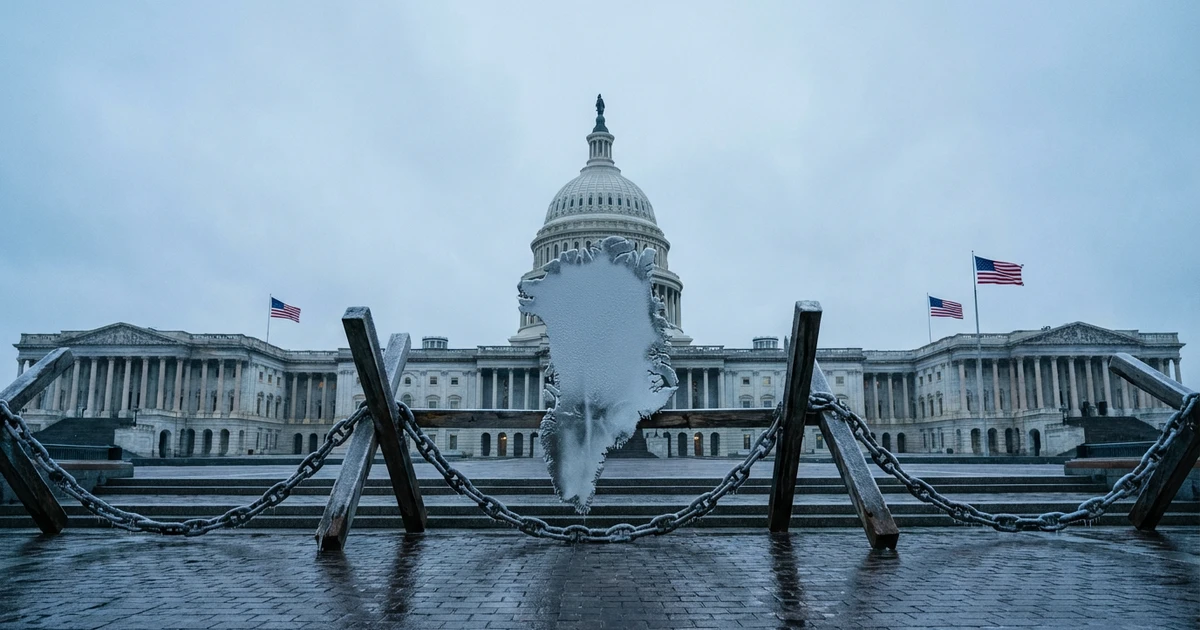
Speculation about the United States acquiring Greenland has re-emerged in political discourse, raising complex questions about the legal and constitutional checks on presidential power. Could the US Congress actually stop a sitting president, such as Donald Trump, from taking steps to acquire Greenland?
The Roots of the Greenland Acquisition Debate
The idea of the US purchasing Greenland is not new. The world’s largest island, currently an autonomous territory of Denmark, has strategic and resource value that has drawn American interest for decades. The debate intensified during Donald Trump’s presidency when reports surfaced of US interest in buying the territory. While the notion initially drew international headlines and skepticism, it underscores important questions about the separation of powers in American government and the process of territorial expansion.
Presidential Powers and the Acquisition of Territory
Under the US Constitution, the president is largely responsible for conducting foreign policy and negotiating international agreements. Historically, major territorial acquisitions—such as the Louisiana Purchase (1803) and the purchase of Alaska (1867)—were initiated by the executive branch. However, both required congressional approval and funding to be finalized. This historical precedent suggests that while the president may initiate negotiations, Congress plays a critical role in authorizing and financing such moves.
Congressional Oversight and Legal Hurdles
Any attempt to purchase a territory like Greenland would face several key legal and political hurdles:
- Funding Authorization: Congress controls federal spending. No acquisition can occur without appropriated funds, meaning Congress would need to approve the necessary budget.
- Treaty Ratification: Most land acquisitions require a formal treaty with the seller—in this case, Denmark. Treaties must be ratified by a two-thirds majority in the Senate.
- International Law: The people of Greenland and the government of Denmark would have to agree to the sale. International norms prohibit annexation without the consent of the governed.
Could Congress Legally Block a Greenland Acquisition?
Based on these mechanisms, Congress possesses several avenues to block or stall a presidential effort to acquire Greenland:
- Denying funding for the purchase or related activities
- Refusing to ratify any treaty or agreement with Denmark
- Pursuing legislative measures to restrict presidential authority over territorial expansion
Historical precedent supports Congress’s authority. For instance, the Senate’s rejection of the Treaty of Versailles in 1919 blocked the US from joining the League of Nations, despite presidential support.
Political Reality: Unlikely Path Forward
Even if a president were determined to press forward, the political barriers remain formidable. Bipartisan skepticism about the necessity and legitimacy of such a purchase, as well as the clear need for congressional participation, means that acquiring Greenland without legislative approval is virtually impossible under current US law.
Looking Ahead: A Constitutional Safeguard
The Greenland debate highlights the robust system of checks and balances in the US government. While the president wields significant foreign policy power, Congress retains ultimate control over treaties and federal spending, providing a constitutional safeguard against unilateral territorial expansion.
For more information on presidential powers and Congress’s role, readers can consult the official US Congress website and the US Constitution.
Sources
- [1]BBC