World
Countries Weigh Response to Trump’s Strait of Hormuz Appeal
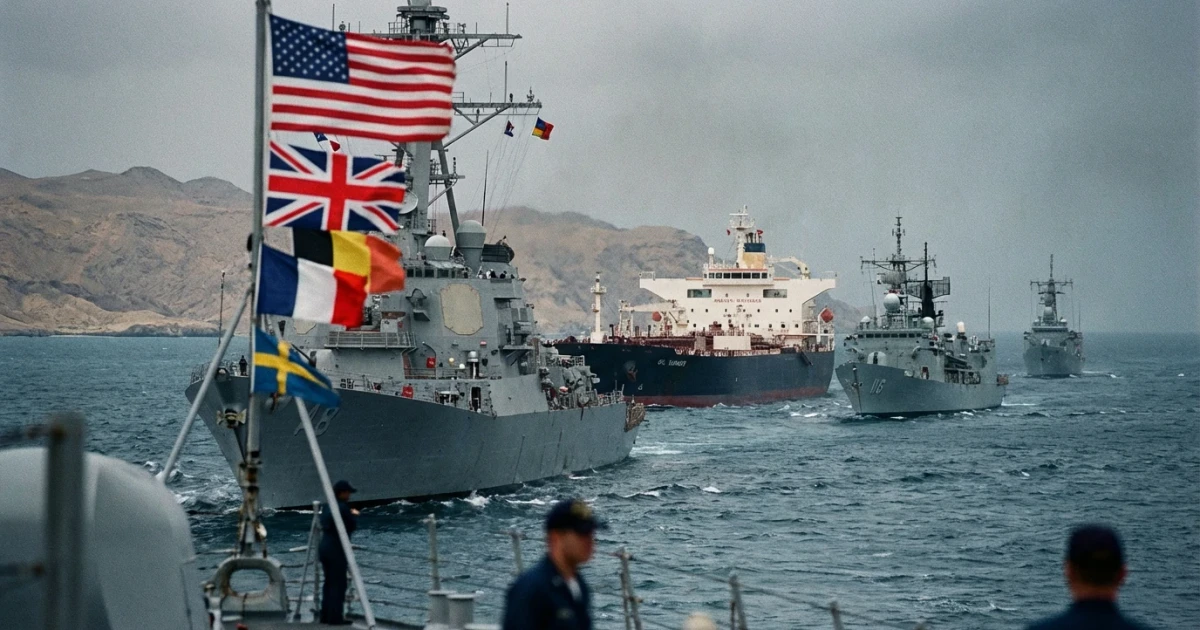
President Donald Trump’s recent call for international warships to help protect the Strait of Hormuz has prompted cautious debate among key U.S. allies, but so far has led to no concrete pledges for naval deployments. The proposal, which specifically named nations such as the UK, China, and Japan, comes as concerns mount about the security of one of the world’s most critical energy chokepoints.
Strait of Hormuz: A Strategic Maritime Lifeline
The Strait of Hormuz, a narrow waterway linking the Persian Gulf with global sea routes, is responsible for the transit of approximately 20% of the world’s total oil consumption. According to the U.S. Energy Information Administration, close to 21 million barrels of oil per day passed through the strait in 2023, underscoring its vast importance for global energy markets.
The region has long been a flashpoint for geopolitical tension, with previous incidents involving attacks on commercial tankers and periodic threats to close the waterway. These risks have prompted multinational maritime security campaigns in the past, although coordination among diverse countries has often proven challenging.
Trump’s Call and International Reactions
AP News reported that President Trump’s appeal was directed at a range of countries with major shipping or energy interests in the region, including the UK, China, and Japan. However, immediate responses have reflected hesitation rather than support.
- The UK—a long-standing U.S. partner in Gulf security—has not issued a commitment, with officials reportedly weighing the political and operational implications of joining a new coalition.
- China, which relies heavily on oil imports that pass through the strait, is reportedly consulting internal policymakers but has not signaled a willingness to send warships.
- Japan, another significant recipient of Gulf energy exports, is similarly debating participation amid concerns over regional escalation.
AP News noted that, as of publication, no country had offered a firm pledge in response to Trump’s request, reflecting both diplomatic caution and the complexity of mounting a multinational security effort in such a volatile region.
Complexities and Security Concerns
The merchant fleets of many nations regularly transit the Strait of Hormuz, and the security risks are not limited to military threats. According to research by the Center for Strategic and International Studies, Iran’s capacity for asymmetric maritime operations, including the use of mines and fast attack craft, poses ongoing challenges to safe passage.
Efforts to safeguard shipping have historically involved both independent national deployments and coordinated international operations. The lack of immediate commitment following Trump’s call may reflect concerns over command structure, rules of engagement, and the risk of unintended escalation with regional powers.
Looking Ahead
As global energy flows remain highly dependent on the safe transit of the Strait of Hormuz, the international community faces significant strategic and operational questions. While President Trump’s call has put renewed focus on the need for maritime security, the tepid response from key allies underscores the enduring complexities of forging collective action in one of the world’s most volatile maritime corridors.
Observers expect continued diplomatic negotiations in the coming weeks, as nations balance the imperative of safeguarding commercial interests with the desire to avoid escalation and the political costs of military engagement.