Politics
Court of Appeal upholds Palestine Action ban as lawful
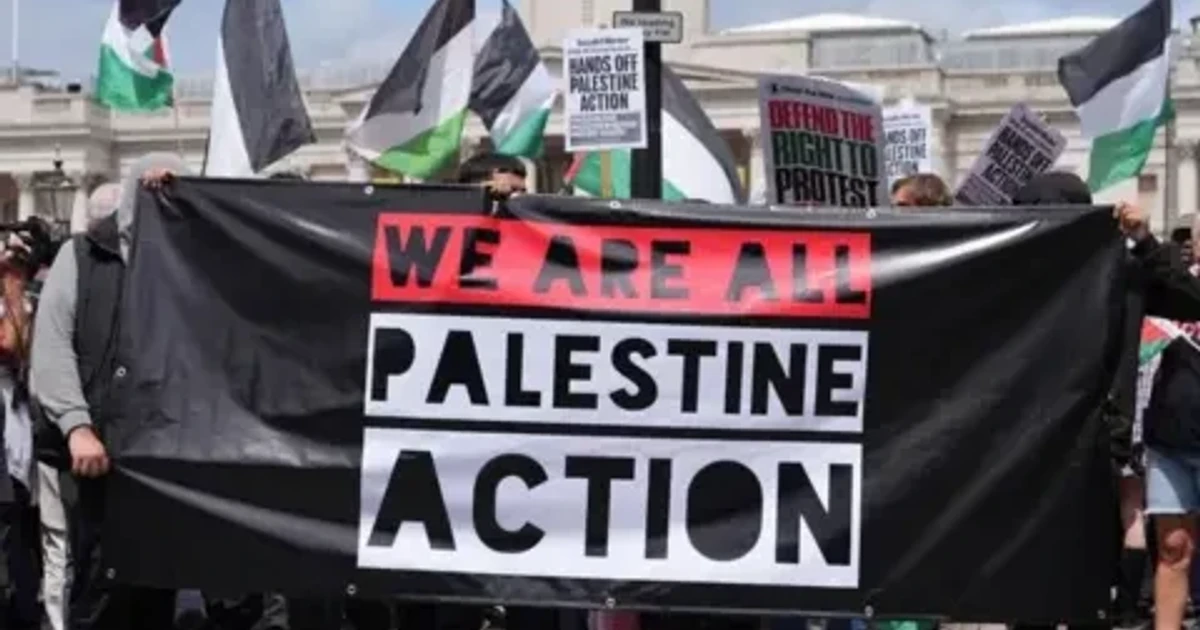
The Court of Appeal has kept Palestine Action on the UK’s proscribed list, preserving a ban that makes it a criminal offence to belong to the group, invite support for it, or recklessly express support for it. The ruling leaves in place penalties of up to 14 years in prison and settles, for now, a central question in the fight between civil liberties and state power: when does direct action cross the line into terrorism law?
The government banned the group under Section 3 of the Terrorism Act 2000 after then-home secretary Yvette Cooper announced the move on 1 July 2025. The proscription took effect at 0001hrs on Saturday 5 July 2025, alongside bans on Maniacs Murder Cult and the Russian Imperial Movement. Ministers said Palestine Action had committed serious criminal damage to advance a political cause, pointing in particular to the 20 June 2025 raid on RAF Brize Norton, when activists sprayed red paint into the engines of two Voyager tanker aircraft and caused damage with crowbars.
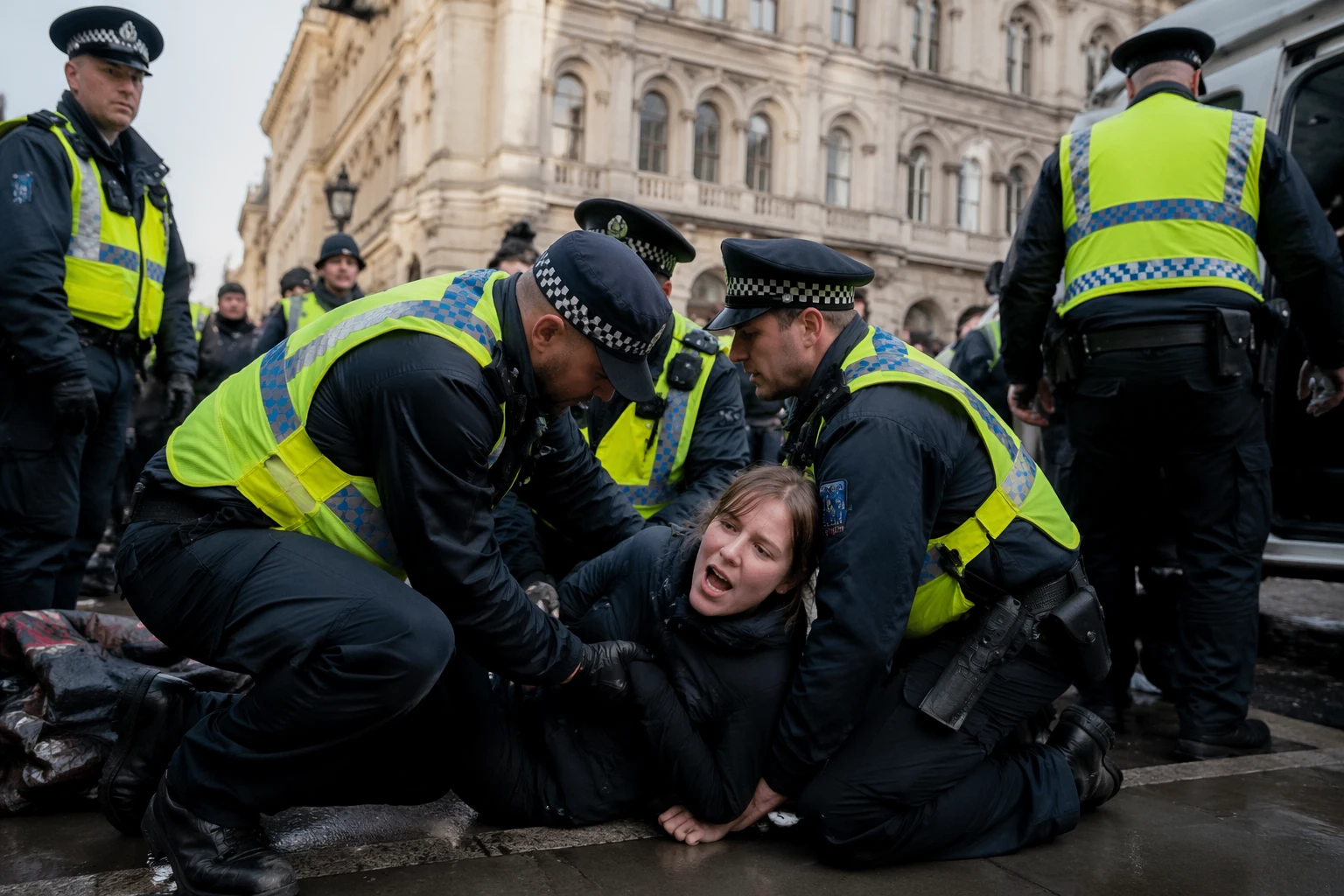
A five-judge Court of Appeal panel led by Baroness Carr ruled that the ban was lawful, describing it as a justified and proportionate interference with rights and saying judicial review was the proper route to test its legality. The court rejected the argument that the High Court had overstated the human-rights impact and accepted the Home Office’s position that the ban could lawfully remain in force while the challenge continued. In February 2026, High Court judges had ruled the proscription unlawful, finding that only a very small number of the group’s actions met the terrorism threshold before the government appealed.
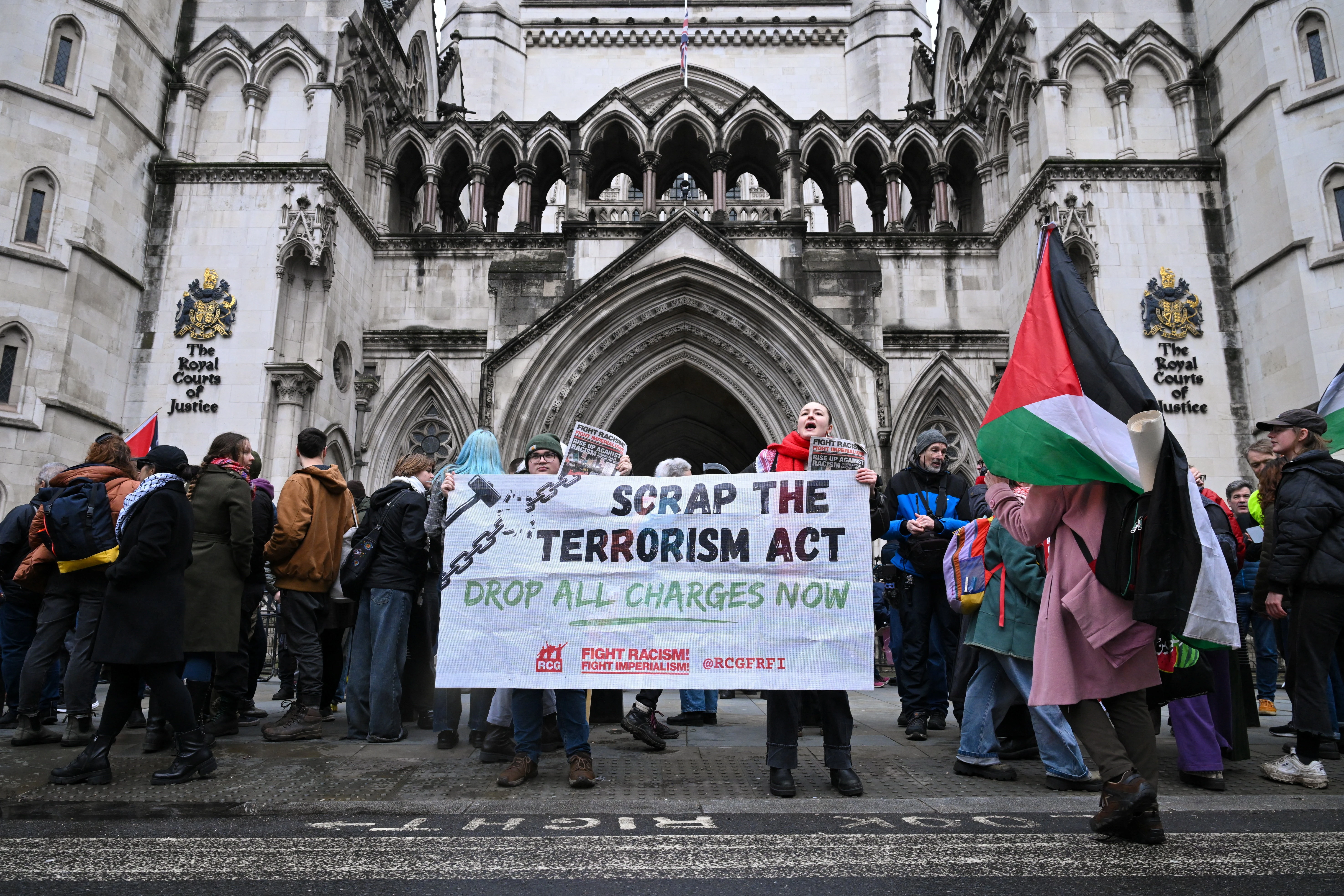
That threshold now matters well beyond Palestine Action. The judgment indicates that ministers can use terror legislation against a protest movement if they persuade the court that the group’s conduct amounts to terrorism-related activity through serious criminal damage tied to a political objective, even when the conduct sits close to protest rather than violence. Supporters of the ban’s opponents have argued that such powers chill freedom of expression and assembly; the court’s ruling shows how far the state can go, at least for now, in treating direct action as a security issue rather than a public-order one.

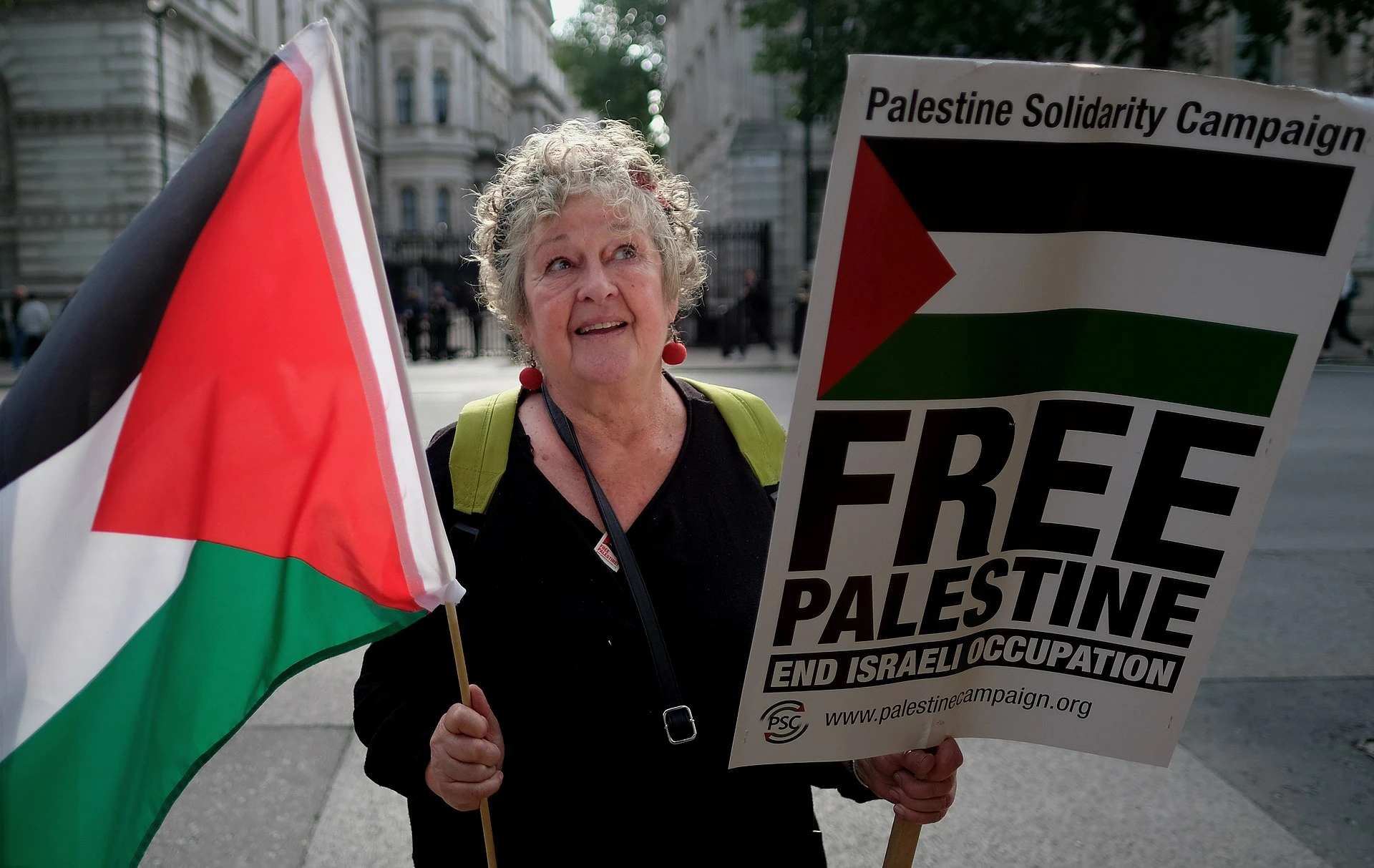
The case has already had consequences on the streets as well as in the courts. Counter Terrorism Policing said 10 people had been charged by 7 August 2025, and later reporting put the total at around 2,000 arrests and 138 charges under the Terrorism Act, with more than 2,700 arrests for displaying support signs since the ban. The Home Office has also spent nearly £700,000 fighting the legal challenge, underscoring how costly this precedent has become as a test of protest policing, judicial restraint and the reach of counter-terror law.