US News
Court Overturns Trump-Era Ban on Transgender Troops
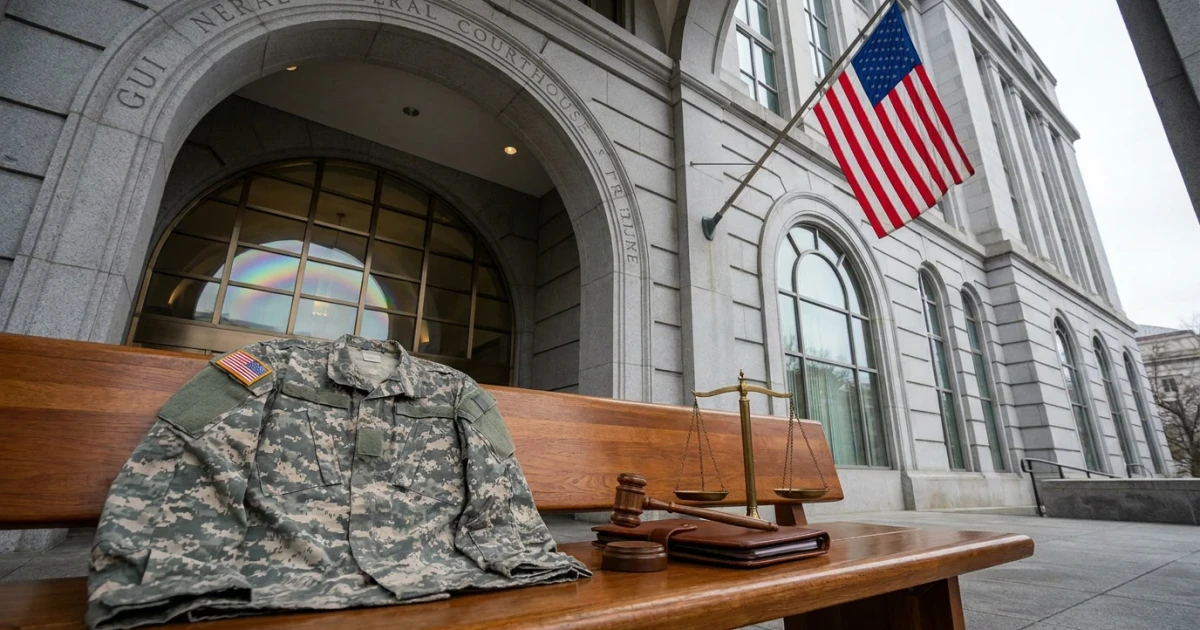
A federal appeals court has struck down the Trump administration's policy barring transgender individuals from serving openly in the U.S. military, marking a significant moment in the ongoing debate over gender identity and military service. The decision, announced on June 1, 2026, affirms that transgender service members can continue serving, though some limitations on new enlistments remain pending further review.
Background of the Trump-Era Ban
The Trump administration first announced its intention to bar transgender individuals from serving in the military in 2017, citing concerns over military readiness and medical costs. This policy reversed a 2016 decision under the Obama administration that allowed transgender personnel to serve openly. The Trump-era directive faced immediate legal challenges, with several federal courts issuing injunctions against its enforcement. The policy was officially implemented in April 2019, restricting most transgender individuals from serving openly and barring new enlistments unless individuals served in their birth-assigned gender.
Appeals Court Ruling and Its Implications
The appeals court found that the Trump administration's policy illegally discriminated against transgender Americans seeking to serve their country. According to the Associated Press, the ruling allows current transgender troops to remain in uniform but noted that some restrictions on new enlistments may persist while legal and administrative reviews continue. The court cited a lack of substantial evidence that open transgender service would undermine unit cohesion or military effectiveness, referencing research such as the RAND Corporation's comprehensive study which found minimal impact on readiness and cost.
- Estimates suggest that thousands of transgender individuals are serving in active duty and reserve roles.
- According to Department of Defense personnel data, the U.S. military is one of the largest employers of transgender Americans.
- Research by the RAND Corporation and others has shown that the medical costs associated with transgender service members are negligible compared to overall military healthcare spending.
Legal and Policy Context
The legal battle over transgender military service has spanned multiple years and administrations. Lawsuits like Karnoski v. Trump challenged the ban as a violation of constitutional rights. Government watchdogs such as the Government Accountability Office have also reviewed the Department of Defense's processes for evaluating transgender applicants and granting medical waivers.
Internationally, the U.S. joins several allied countries—such as the United Kingdom, Canada, and Australia—in allowing transgender individuals to serve openly, a practice shown to have little negative impact on military effectiveness or morale.
Looking Ahead
The latest court decision does not immediately resolve the debate over new transgender enlistments, which could be subject to further legal review and administrative policy changes from the Department of Defense. However, the ruling solidifies the status of existing transgender service members and reinforces the judiciary's role in protecting equal opportunity within the armed forces. For more details on current regulations and updates, readers can consult the Department of Defense's official policy page.
The outcome represents a milestone for advocates of equality and military inclusion, illustrating the complex interplay between law, policy, and individual rights in the context of national defense. As future policy debates unfold, the experiences and service of transgender troops will remain central to discussions about fairness and readiness in the U.S. military.