Entertainment
Court texts say Celeste Rivas Hernandez had abortion before disappearance
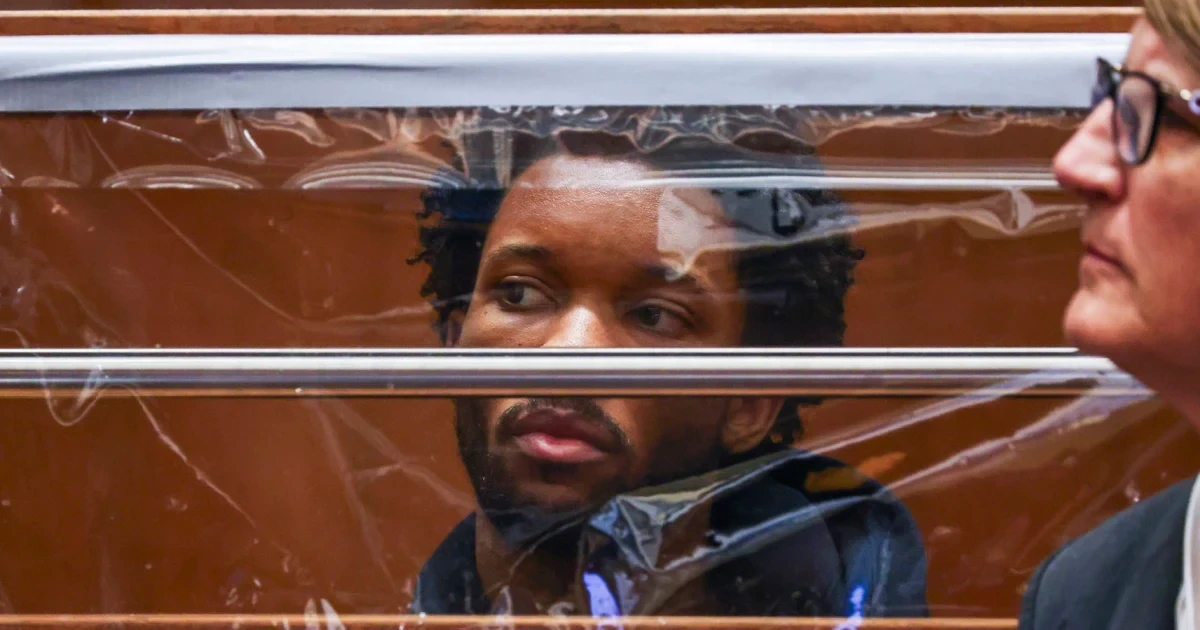
Text messages shown in court on Friday said Celeste Rivas Hernandez had an abortion during her relationship with singer D4vd, a detail prosecutors put before the court as they build a timeline around her disappearance and death. The messages were said to have been exchanged on April 22, 2025, the night before the 14-year-old went missing.
Prosecutors have used that April 22 exchange to argue that the relationship between D4vd, whose legal name is David Anthony Burke, and Rivas Hernandez was active, volatile and tightly linked to the period immediately before she vanished. They have said the pair argued that night, and that Rivas Hernandez disappeared the next day. Her dismembered body was later found in a Tesla tied to Burke, triggering a homicide investigation and murder charges.
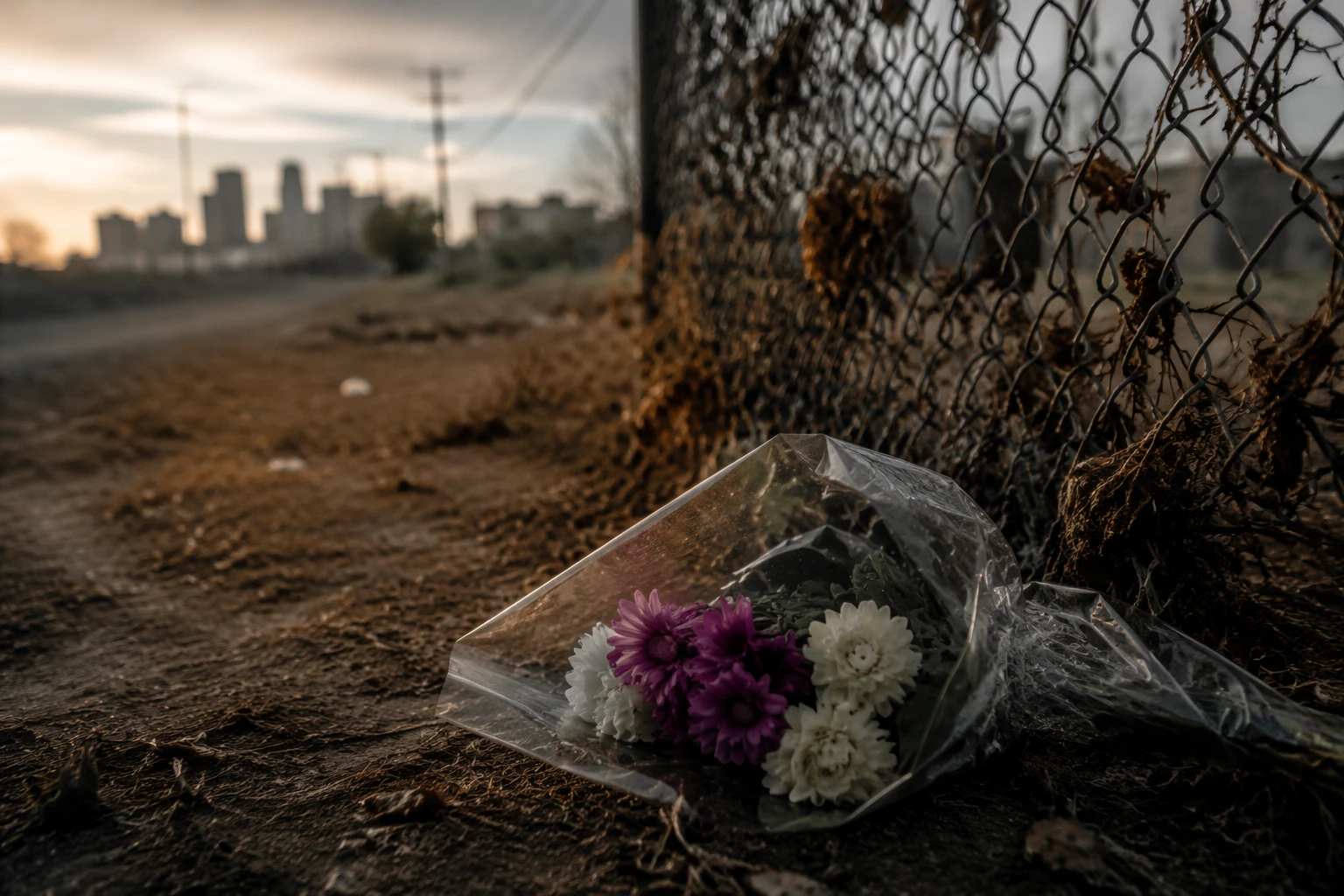
The broader case has centered on prosecutors’ allegation that Burke met Rivas Hernandez when she was 11 and that the relationship turned sexual when she was 13 and he was 18. In later court proceedings, prosecutors also said they believed Burke tried to cover up the crime, including by purchasing a body bag, two chainsaws and an inflatable pool on Amazon after the teen’s murder. At a July 2026 hearing, prosecutors further alleged that a “significant amount” of child sexual abuse material was found on a phone belonging to Burke.
The abortion messages matter because they may help prosecutors argue motive, knowledge and the nature of the relationship, especially if they can connect the texts to threats, secrecy or the alleged effort to silence Rivas Hernandez. But the same evidence also carries obvious risk: jurors could be asked to react to a teenager’s private medical history rather than the murder charge itself. That makes the court’s handling of the messages legally significant, because evidence can be admissible if it tends to prove motive or intent, yet still be limited if its main effect is unfair prejudice.
The Los Angeles County Medical Examiner said Rivas Hernandez died from “multiple penetrating injuries.” An updated death certificate later said it was unclear whether she had been pregnant in the year before she died, a detail that adds another layer of uncertainty to how the abortion text will be weighed against the rest of the evidence now in the record.
Sources
- [1]nbcnews.com
- [2]latimes.com
- [3]nbclosangeles.com
- [4]abc7.com
- [5]me.lacounty.gov
- [6]bbc.com
- [7]apnews.com