Sports
Cowboys Rely on Depth to Power Defensive Pass Rush
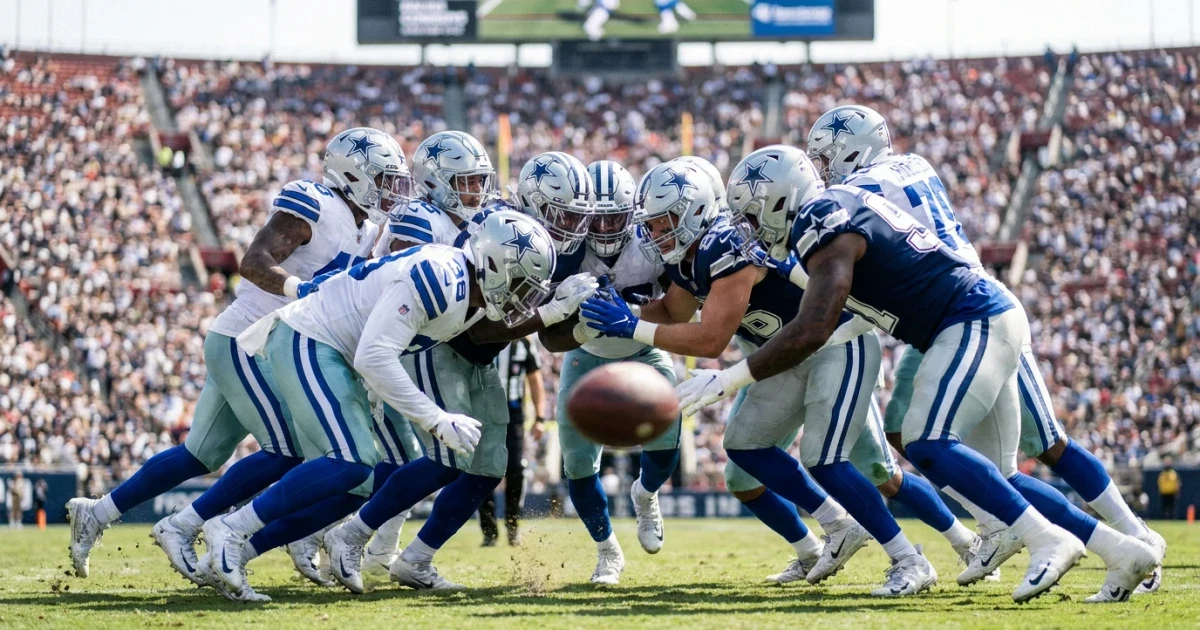
The Dallas Cowboys are embracing a team-oriented approach to their pass rush, leveraging depth and rotational strength rather than depending on a single standout star. This strategy, detailed by ESPN, marks a shift in the Cowboys' defensive philosophy as they seek to consistently pressure opposing quarterbacks throughout the 2026 season.
Building Pressure Without a Headline Star
Unlike previous years when the Cowboys boasted a leading sack artist as the focal point of their defense, the current roster lacks a dominant individual pass rusher. Instead, the team has focused on distributing snaps and responsibilities across a wider group of defensive linemen and edge rushers. ESPN's analysis highlights how this depth-driven model enables the Cowboys to maintain intensity and unpredictability, keeping fresh legs on the field and making it difficult for offenses to key in on a single threat.
Statistical Impact and Rotational Success
The Cowboys' depth has begun to show in the numbers. Rather than posting one player near the top of the league in sacks, Dallas features multiple defenders contributing to the team's cumulative totals. According to advanced defensive stats from Pro Football Reference, the Cowboys recorded a balanced distribution of sacks, quarterback hits, and tackles for loss throughout the 2023 season—a trend expected to continue as they rotate players in waves. This collective effort has kept the defense productive even as individual stat lines remain modest.
- No Dallas defender ranked in the top 10 league-wide in sacks in 2023, but several finished with between 5 and 8 sacks each.
- The team ranked among the league's leaders in overall pressures, according to Next Gen Stats pressure rate data.
- Dallas finished near the top of the NFL for team sack totals, as shown in NFL.com's defensive sack statistics.
Advantages of a Deep Rotation
Coaches and analysts have noted that the Cowboys' rotational depth allows for greater flexibility in scheme and situational substitutions. By keeping defenders fresh, Dallas can sustain a high rate of pressure throughout games and adapt more easily to injuries or opponent adjustments. This approach also fosters internal competition, as multiple players vie for snaps and opportunities to make impact plays.
The Cowboys' defensive grades, as tracked by Pro Football Focus, reflect a well-rounded unit where several linemen and linebackers earn solid evaluations, with few glaring weaknesses for offenses to exploit. ESPN's report emphasizes that, while no one defender is likely to lead the NFL in sacks, the Cowboys' cumulative impact remains significant due to their strength in numbers.
How the Strategy Compares Across the NFL
While some teams rely on a star edge rusher to carry their pass rush, the Cowboys' model is more in line with depth-based organizations that prioritize a steady rotation. According to Football Outsiders' DVOA rankings, Dallas ranked highly in defensive efficiency, suggesting that their group effort is paying off in limiting big plays and creating negative situations for opposing offenses.
Looking Ahead
Entering the 2026 season, the Cowboys will continue to rely on their pool of talented defenders rather than searching for a singular star. This strategy not only mitigates the risk of injuries derailing their pass rush but also positions Dallas as a difficult defense to prepare for, with multiple players capable of stepping up each week.
As the season progresses, fans and analysts will be watching to see if this depth-driven formula can deliver in high-leverage moments and playoff scenarios. For now, the Cowboys' commitment to collective pass rushing remains central to their defensive identity—a testament to the power of team depth over individual accolades.