Entertainment
Cozy food-focused RPGs serve up a more approachable adventure
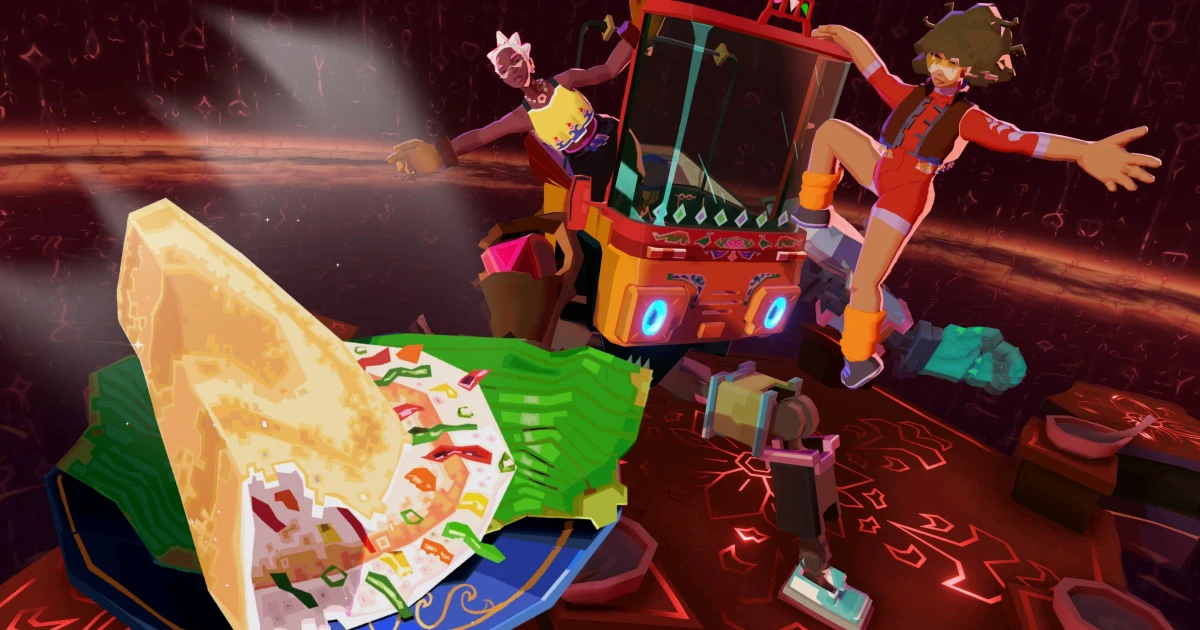
Knitting warm sweaters, baking pies, and plating meals for hungry customers are becoming central tasks in a new crop of roleplaying games. Roleplaying games are often built to impress through scale: long storylines, side quests that sprawl across dozens of hours, huge worlds to map, and casts so large that names can blur together. That structure has always promised epic escape, but it can also make play feel like work. Cozy, food-focused games take the opposite approach, using cooking, crafting, and small domestic tasks to make adventure feel readable, intimate, and easier to enter.
A smaller loop can feel like a bigger invitation
The appeal of these games starts with restraint. Instead of asking players to absorb an entire continent at once, they narrow the loop to tangible actions such as gathering ingredients, feeding neighbors, or restoring a home. Appetite, comfort, and routine are legible in a way that sprawling lore often is not: you know what a pie does, you know what a sweater does, and you know why a hungry customer needs a meal.
That clarity helps make food-centered RPGs such an effective hook. They replace the intimidation of maximalist design with systems that feel sensory and grounded, while still preserving the fantasy of progress through effort.
Winter Burrow turns survival into caretaking
Winter Burrow is a cozy woodland survival game about a mouse returning home to restore a childhood burrow. The game’s appeal comes from the way it links survival to repair: you explore, gather resources, craft tools, knit warm sweaters, bake pies, and meet the locals. Each task has the practical feel of survival craft, but the emotional frame is homecoming.
That combination gives the game a different rhythm from harsher survival titles. Instead of treating scarcity as punishment, it turns domestic labor into forward motion, with sewing, cooking, and gathering all serving the same broader goal of making a space livable again.
Overcooked! All You Can Eat makes feeding the objective

Overcooked! All You Can Eat is a complete edition of the cooking action game, built around feeding hungry customers and working together in local and online multiplayer. That structure keeps the pressure high, but the premise stays simple enough that the challenge is immediately understandable: make the meals, coordinate the team, and keep service moving.
What makes it especially resonant is that the game turns a familiar social act into a shared test of coordination. Cooking becomes a form of cooperative problem-solving, and feeding people becomes the point rather than the backdrop.
Why comfort, craft, and food keep showing up in game design
These games land because they make labor visible and rewarding without requiring players to master a massive system first. Knitting a sweater, baking a pie, or plating a meal creates a clear cause-and-effect chain that is easy to learn and satisfying to repeat. The sensory details matter too: food and textiles are universal touchpoints, and they carry an emotional language that can make fictional worlds feel lived-in fast.
Campus gaming culture shows how welcoming spaces matter
The broader appetite for approachable play is visible beyond the games themselves. New Histories at the University of Sheffield is a student-led platform that has been running for over ten years. The University of Sheffield Wargames Society describes itself as a friendly gaming space with a regular spread of events.