US News
CPAC Highlights Divisions in Republican Party
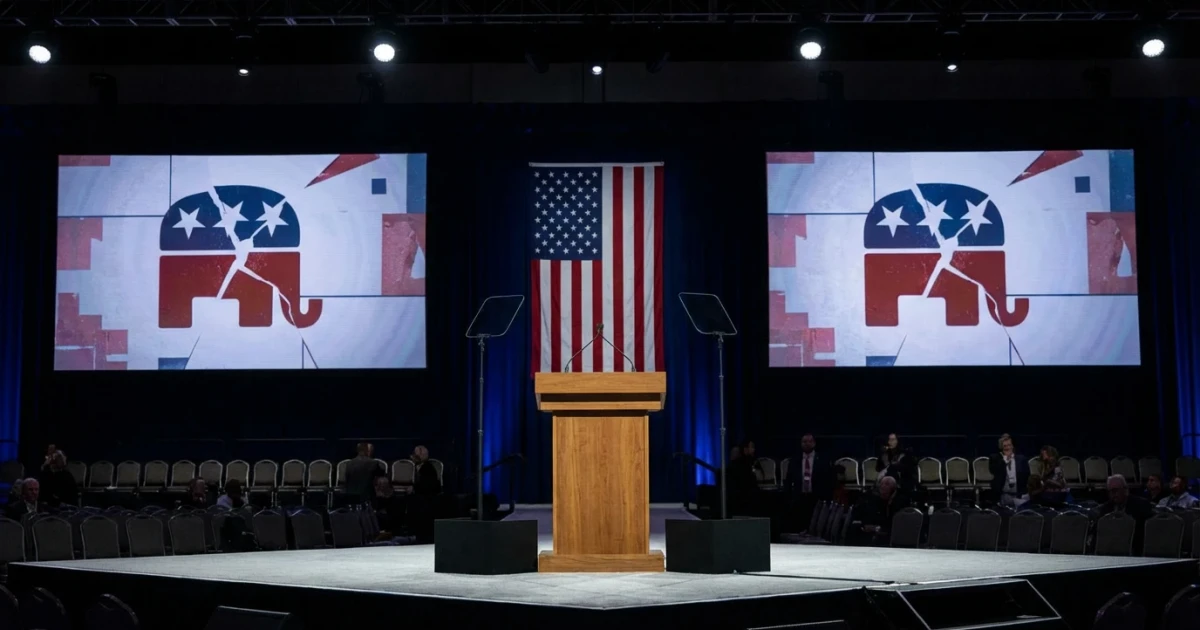
Divisions within the Republican Party were on full display at this year’s Conservative Political Action Conference (CPAC), as the event’s main stage became a forum for both loyalty to former President Donald Trump and debates about the future of the GOP. The conference, held annually, has long been a barometer of conservative priorities and an indicator of the party’s internal dynamics.
Trump’s Influence Remains Strong
According to The New York Times, the main stage at CPAC was dominated by figures loyal to Trump, underscoring his enduring influence over the Republican base. The agenda, available in the official CPAC 2024 schedule, featured numerous speakers who praised Trump’s policies and called for continued support of his political vision. This emphasis reflects the former president’s significant role in shaping the GOP’s current platform and tone.
Emerging Fissures Over Party Direction
However, the conference also highlighted deepening fissures within the party. While Trump loyalists advocated for maintaining his combative style and policy priorities, other party members used their speaking slots to urge a return to traditional conservatism and a broader appeal to independent and moderate voters. These calls echoed wider debates among Republican strategists about how best to position the party for future national elections.
- Some speakers voiced concerns that an unwavering focus on Trump could alienate key voting blocs.
- Others argued that the party’s base, energized by Trump’s rhetoric, remains its most reliable asset.
Broader Context in Party Identification
The divisions at CPAC mirror trends seen in national party identification. Data from Pew Research and Gallup show that Republican Party membership has fluctuated in recent years, with periods of growth coinciding with Trump’s ascendancy and dips during times of internal strife. These trends suggest that ongoing debates about the party’s direction could have real implications for its ability to attract and retain members.
Looking Ahead to 2024 and Beyond
With the 2024 presidential election on the horizon, the fissures exposed at CPAC raise questions about the GOP’s ability to unify behind a candidate and message. The Federal Election Commission’s list of 2024 presidential candidates shows a crowded Republican field, with several contenders representing different wings of the party. These divisions could complicate efforts to present a cohesive alternative to Democratic candidates.
Analysis: Party at a Crossroads
As the GOP grapples with its post-Trump identity, events like CPAC provide a window into the challenges ahead. The party must balance the demands of its energized base with the need to broaden its appeal, all while navigating the legacy of a figure who has both unified and divided its ranks. According to analyses by the Brookings Institution, the Republican Party’s future may hinge on its ability to reconcile these competing impulses and adapt to changing electoral realities.
Ultimately, the debates on CPAC’s main stage reflect a party at a crossroads—seeking a path forward amid both loyalty and division. How the GOP resolves these tensions will have major implications for the American political landscape in the years to come.