Health
CPAP Machines Gain Ground as Key Snoring Solution
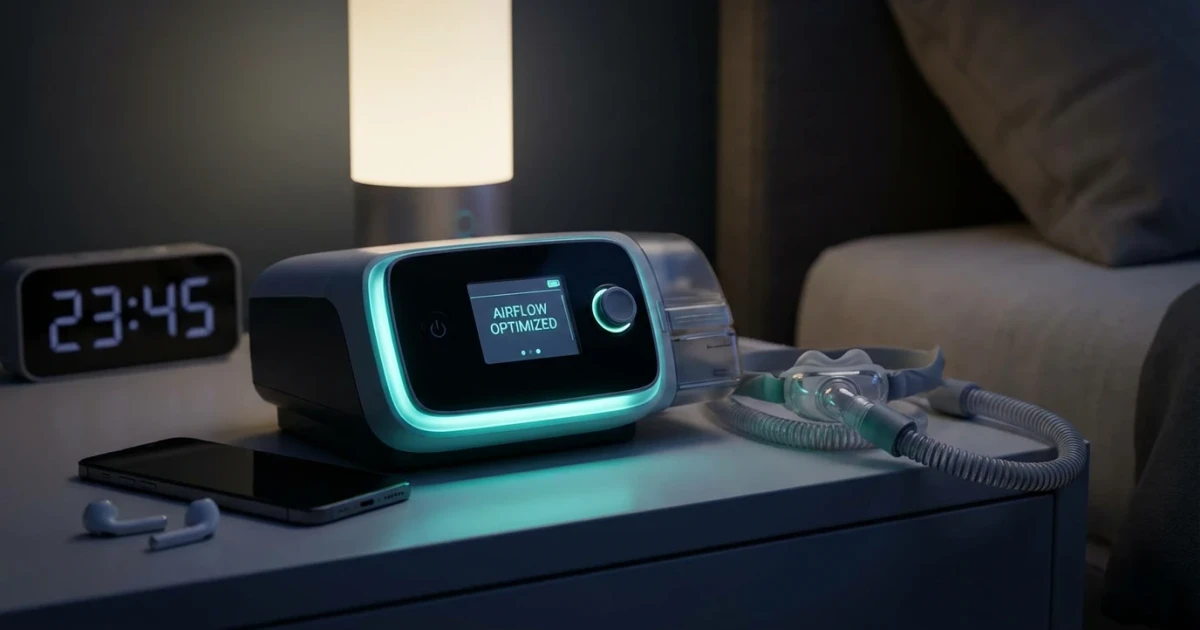
Continuous Positive Airway Pressure (CPAP) machines, once considered an unglamorous remedy, have become an increasingly popular and effective solution for millions struggling with snoring disorders and sleep apnea. These devices, which have been humorously described as a "vacuum cleaner turned the other way," are now seen as one of the most reliable treatments to improve sleep quality and overall health.
How CPAP Therapy Works
CPAP machines function by delivering a steady stream of pressurized air through a mask, keeping the airway open during sleep. This prevents the pauses in breathing that characterize obstructive sleep apnea and greatly reduces snoring. The technology, originally met with skepticism due to its bulky appearance and noise, has evolved into quieter, more compact models that are easier for patients to use nightly.
According to the FDA’s official overview of CPAP devices, these machines are classified as medical devices regulated for safety and effectiveness. Modern CPAP machines include features such as humidifiers, data tracking, and even smartphone integration to improve user comfort and adherence.
Popularity and Effectiveness
Despite initial resistance—stemming largely from the device’s awkward interface and the stigma of being seen in a mask—the clinical benefits of CPAP therapy are well established. The Guardian notes that the technology’s straightforward mechanical approach is the "secret to amazing sleep" for many who previously suffered from loud snoring and chronic fatigue.
- Estimates suggest that 25 million adults in the U.S. have sleep apnea, with many more experiencing significant snoring problems.
- CPAP therapy is considered the frontline treatment for moderate to severe obstructive sleep apnea, according to the American Academy of Sleep Medicine.
- Research has shown that consistent use of CPAP can reduce daytime sleepiness, lower the risk of heart disease, and improve overall quality of life.
Why Patients Are Embracing CPAP
Many patients who initially balk at the idea of using a CPAP machine find the results transformative. The Guardian likens the device’s effect to a vacuum cleaner "turned the other way"—instead of sucking air, it gently blows air to keep the airway open. This simple mechanical solution has proven more effective for many than mouthguards or medications, and the stigma is fading as awareness grows.
CPAP’s popularity is also driven by the growing recognition of the health risks associated with untreated sleep apnea and severe snoring, including increased likelihood of hypertension, cardiovascular disease, and cognitive decline. As more people seek medical advice for sleep problems, physicians are recommending CPAP earlier and more frequently. The ease of at-home sleep studies and the rise of telemedicine have further increased access to diagnosis and therapy.
Challenges and Future Directions
Despite its effectiveness, CPAP therapy is not without challenges. Adherence remains a central issue, with some patients struggling to adjust to the mask or the sensation of pressurized air. Manufacturers continue to innovate, offering lighter masks and quieter motors, but some users still report discomfort or inconvenience.
Ongoing research, including a detailed review of CPAP therapy outcomes, highlights the importance of patient education and follow-up to maximize adherence and benefits. As technology improves and awareness spreads, experts anticipate even greater adoption rates in the coming years.
Looking Ahead
The rise of CPAP machines marks a shift in how society views and treats snoring and sleep apnea. Once dismissed as a last resort, these devices are now embraced as a practical, science-backed solution for better sleep and health. With ongoing innovation and increasing public acceptance, CPAP therapy is poised to remain a central tool in the fight against sleep disorders.