Health
Creatine Supplementation Gains Traction but Results Vary Widely
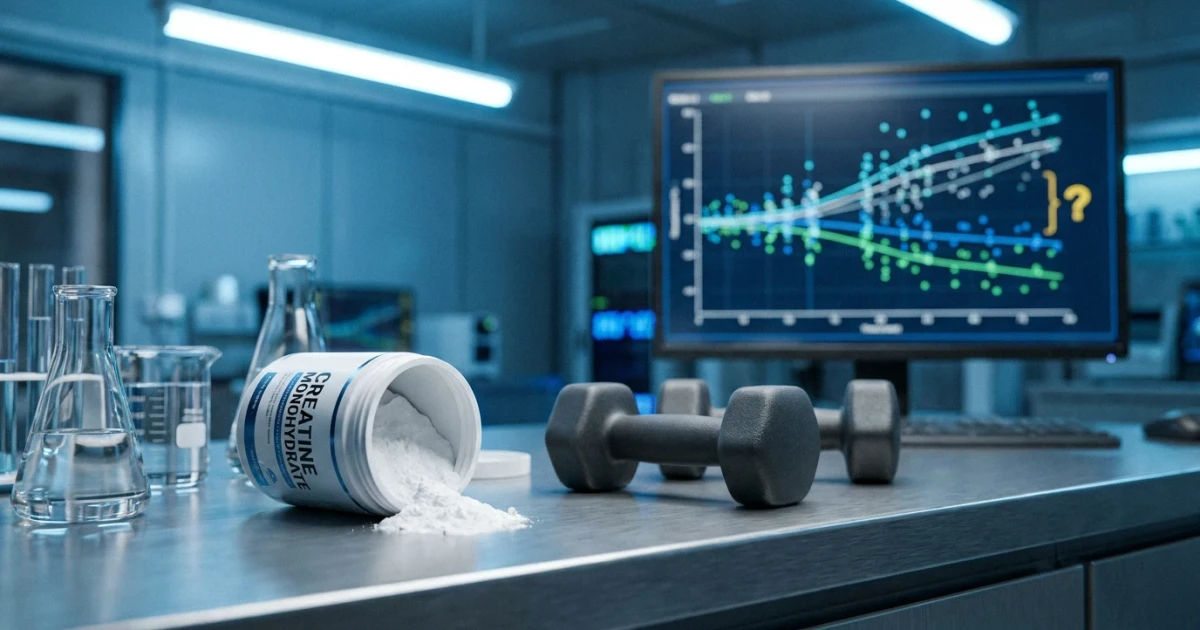
Creatine has become one of the most talked-about dietary supplements in gyms and athletic circles, with claims ranging from muscle growth to enhanced cognitive function. However, experts and recent reporting emphasize that creatine is not a "magic bullet," and its effectiveness depends on several key factors.
What Is Creatine and Why Is It So Popular?
Creatine is a naturally occurring compound found in muscle cells, helping them produce energy during high-intensity exercise. It is widely used by athletes, bodybuilders, and fitness enthusiasts to support muscle strength, power, and exercise performance. According to the NIH Office of Dietary Supplements, creatine supplements are among the most researched and consumed sports nutrition products globally.
- The global creatine market was valued at over $500 million in 2023, reflecting its commercial popularity.
- Thousands of peer-reviewed studies have investigated creatine’s effects on physical and cognitive performance, with mixed results depending on usage and individual response.
The Three Major Factors Impacting Creatine's Effectiveness
Despite creatine’s strong reputation, experts cited by the New York Post warn that its benefits are not guaranteed for everyone. The supplement’s impact is determined by three main factors:
- Dosage: The amount of creatine consumed is critical. Research summarized by Examine.com suggests the typical effective dose is 3-5 grams per day. Higher doses do not necessarily confer greater benefits and may increase the risk of gastrointestinal discomfort.
- Type of Creatine: There are several forms available, with creatine monohydrate being the most studied and widely recommended. Other forms, such as creatine ethyl ester or buffered creatine, have not demonstrated superior benefits in clinical trials.
- Individual Response: Not all users gain the same advantages from creatine supplementation. Genetics, baseline muscle creatine levels, diet, and training status all play a role in determining who will experience significant improvements in performance or muscle mass.
Evidence on Benefits and Limitations
Multiple research reviews, including the International Society of Sports Nutrition’s position stand, confirm that creatine supplementation can support gains in muscle strength and size, especially when combined with resistance training. Some studies also suggest cognitive benefits, such as improved memory and processing speed, particularly in older adults or under conditions of sleep deprivation.
However, the magnitude of these effects varies. As the New York Post reports, creatine’s benefits are most pronounced in individuals with lower baseline levels or those engaged in high-intensity training. For others, the effects may be modest or negligible. Additionally, creatine is not a substitute for consistent exercise and proper nutrition—it enhances, but does not replace, these cornerstones of fitness.
Safety and Regulatory Overview
Creatine is generally considered safe for healthy adults when taken at recommended doses. The FDA includes creatine among dietary supplements that are legal and widely available, but notes that consumers should be cautious of exaggerated claims and consult healthcare providers before starting any new supplement regimen. The NIH fact sheet also highlights that long-term safety data are limited, especially in children, adolescents, and those with kidney disease.
What Consumers Should Know
- Creatine is most effective when paired with regular, intense exercise and a balanced diet.
- Not everyone will experience dramatic results—those with higher initial muscle creatine stores may see smaller gains.
- Side effects are uncommon but can include water retention and mild gastrointestinal issues at high doses.
- For in-depth information on creatine’s science, dosing, and safety, readers can review the PubMed database of clinical studies.
Looking Ahead: Educated Use Over Hype
As creatine’s popularity continues to grow, experts urge consumers to approach supplementation with realistic expectations and informed decisions. While the supplement can provide meaningful benefits for many, it is not a shortcut to fitness or cognitive enhancement. Optimal results rely on proper dosing, choosing the right product, and understanding individual variability.
The ongoing research and widespread availability of creatine ensure it will remain a fixture in sports nutrition, but as recent analysis makes clear, it is not a universal solution for everyone seeking performance or health gains.