Technology
Crimson Desert Launch Sparks Sharp Drop in Pearl Abyss Stock
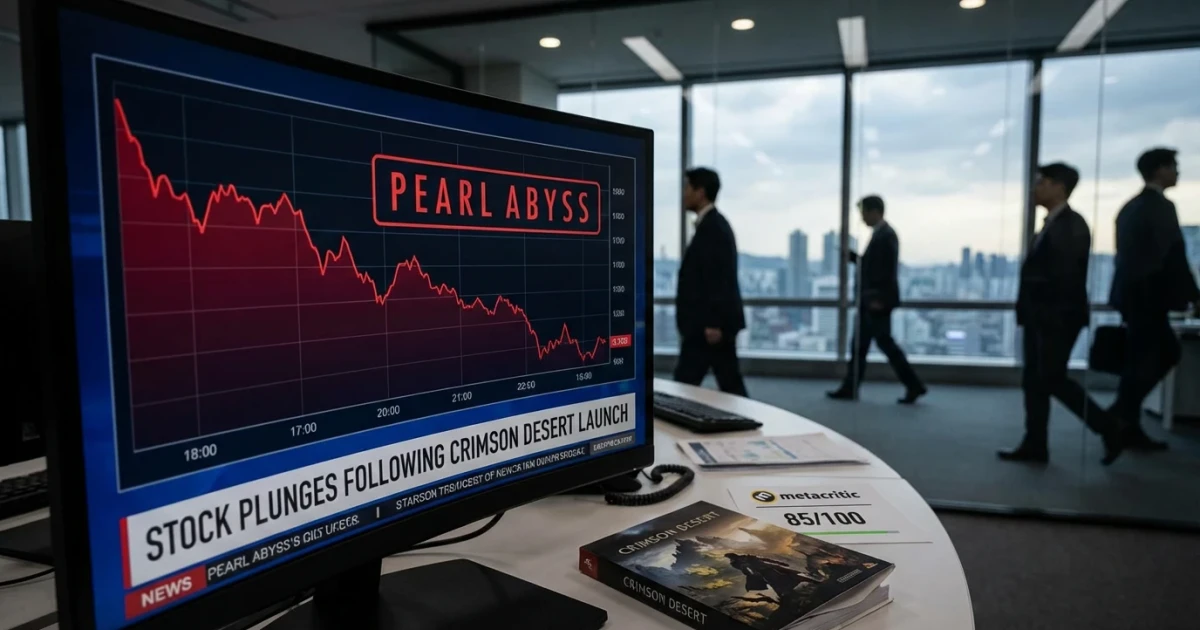
Crimson Desert, the much-anticipated open-world RPG from South Korean developer Pearl Abyss, launched to a respectable critical reception but triggered a dramatic response in financial markets. Despite earning a 78 Metacritic score, Pearl Abyss shares dropped nearly 30% following the game's release, underscoring heightened investor expectations and the volatile intersection of gaming success and market sentiment.
Critical Reception: Solid but Not Spectacular
- Crimson Desert achieved a 78 on Metacritic at launch, indicating generally favorable reviews from critics.
- IGN described the game as suffering from "open-world overload," reflecting an industry trend of expansive but sometimes unfocused gameplay.
- Reviewers praised the game’s technical ambition and visual fidelity but cited issues with pacing and repetitive quest design.
This score places Crimson Desert above average but short of the blockbuster acclaim that often drives exceptional sales and investor confidence in the gaming sector.
Investor Reaction: Stock Price Tumbles
- Pearl Abyss stock on the KOSDAQ exchange plunged almost 30% immediately after the review embargo lifted and early sales data emerged.
- This decline followed months of anticipation, with the market pricing in high expectations based on pre-release hype and Pearl Abyss’s prior success with Black Desert Online.
- Investors appeared disappointed by the game’s solid but unspectacular critical consensus, fueling the sell-off.
Readers can track Pearl Abyss’s historical stock performance for insights into how major releases and critical reception impact the company’s market value.
Why the Gap Between Reviews and Market Response?
Analysts note that in the $180 billion global video game industry, blockbuster titles are expected not only to impress critics but to drive significant revenue growth, merchandising, and ongoing player engagement. For a mid-to-large publisher like Pearl Abyss, a high-profile release carries outsize expectations. When reviews fall below the 85-90 range on Metacritic—a threshold often associated with breakout hits—investors may interpret this as a sign that sales will lag projections.
IGN’s headline summed up the market’s mood: 'Apparently Not Good Enough for Investors.' The rapid stock drop reflects how closely investor sentiment is tied to critical and commercial performance in the games industry, particularly for companies with few other major releases in the pipeline.
What This Means for Pearl Abyss
- Pearl Abyss’s financial outlook will likely depend on the game’s long-term player retention, post-launch support, and global sales.
- Investors and analysts will be watching upcoming quarterly earnings reports for updates on revenue, player engagement, and the company’s strategic response.
- The market reaction highlights the risks for publicly traded game publishers, where even a well-reviewed game can fall short of investor expectations, triggering sharp stock volatility.
Looking Ahead
While Crimson Desert may yet find commercial success or build a loyal player base over time, the immediate fallout underscores a challenging reality: critical acclaim and investor confidence do not always align, especially in a hyper-competitive global market. Pearl Abyss will need to demonstrate both robust sales and ongoing support to reassure shareholders and capitalize on the game’s solid—if not spectacular—start.