Health
CRISPR embryo editing revives debate over designer babies and ethics
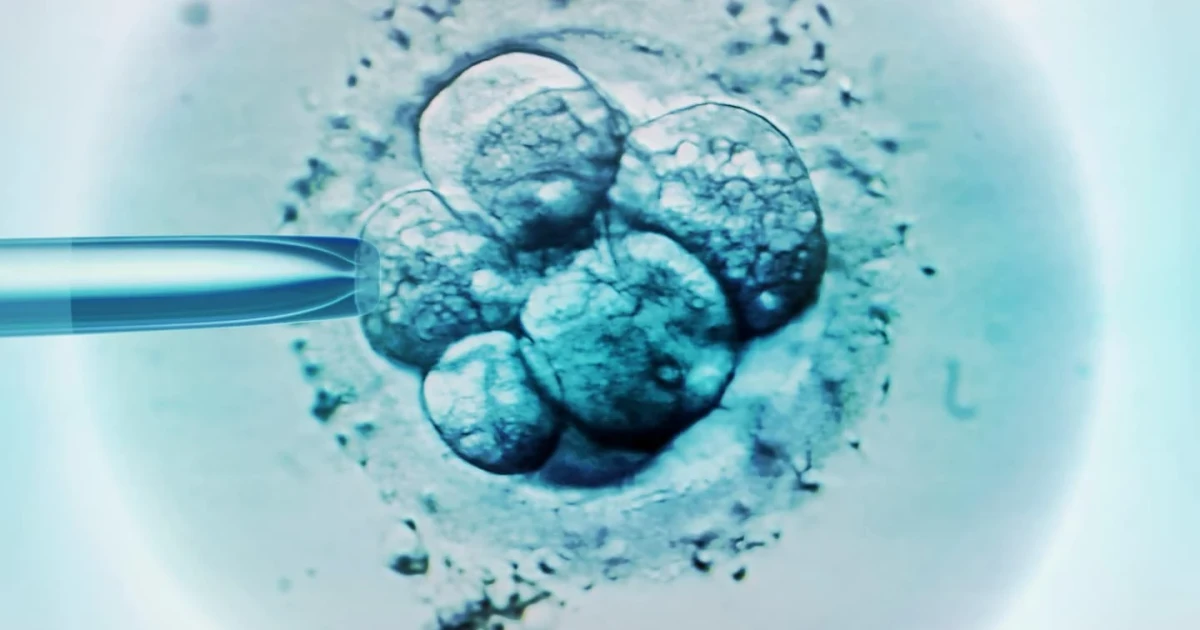
University of Cambridge researchers used CRISPR base editing in early human embryos to show that NANOG is essential for building the embryo’s future body, a step that pushes embryo editing deeper into questions about where research ends and reproduction begins. The team said it was the first time this precision editing method had been used to study gene function in human embryos, and the finding could help explain early pregnancy loss and improve infertility treatment.
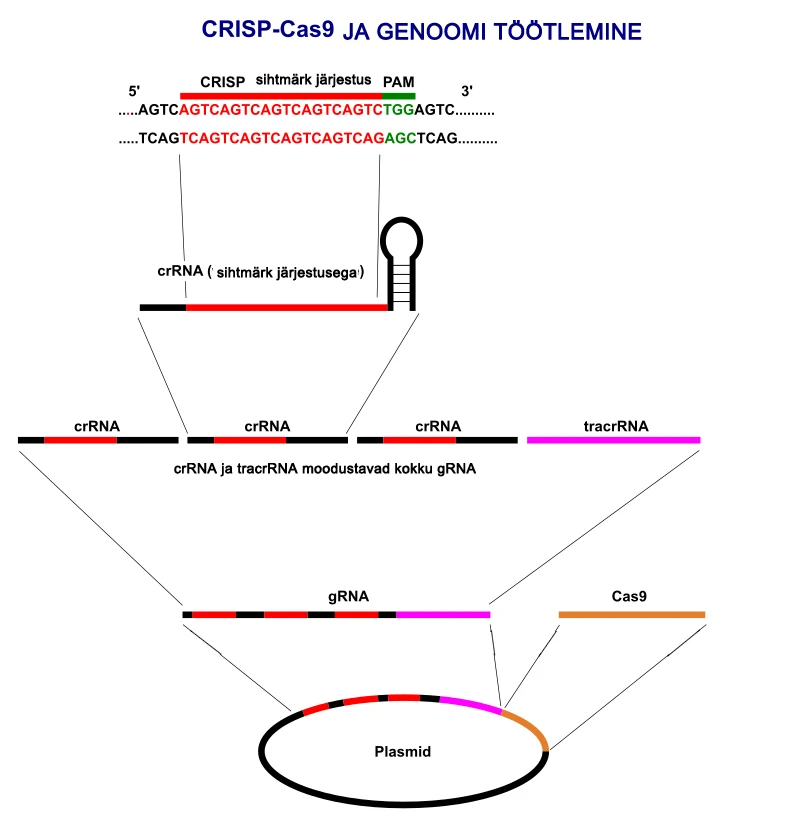
Base editing matters because it can swap a single nucleotide inside a human genome of roughly 3 billion base pairs without making the broad cuts associated with older CRISPR systems. In this study, researchers made single-base changes in three genes, including PCSK9 and two genes tied to embryo development, to probe how early human life is assembled. That level of control is exactly what makes the work scientifically valuable and ethically fraught: the same tool that can sharpen IVF research also brings embryo genome editing a step closer to the kind of precision that has long fueled fears of trait selection.
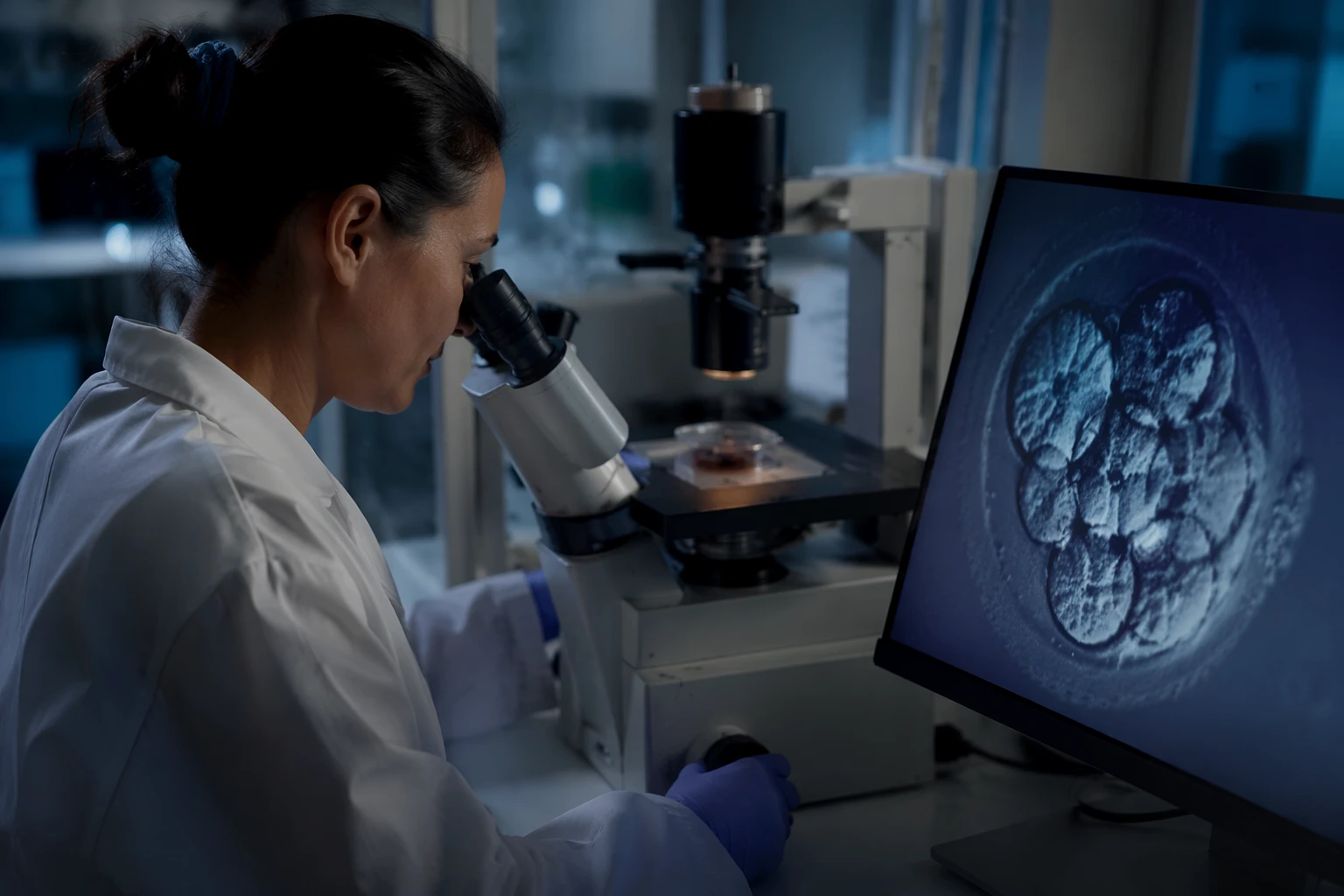
The new paper sits on top of a Cambridge research arc that has shaped the field for years. In 2017, Cambridge scientists used genome editing in human embryos to show that OCT4 is needed for correct blastocyst formation. In 2021, the university reported that CRISPR-Cas9 in early human embryos could produce unintended mutations at the target site, a reminder that even when the goal is basic science, the safety picture is still unsettled.
That tension is why the latest result drew both excitement and alarm. Nature said the announcement stirred enthusiasm alongside renewed ethical concern about whether such tools should ever be used to make babies. Some scientists and bioethicists are now pressing for a temporary moratorium on heritable human gene editing, arguing that the science is moving faster than the ethics framework. The technical question is no longer whether embryo editing can reveal more about human development. It is how far regulators will allow that power to travel before it crosses from understanding disease to choosing traits.
Sources
- [1]news.google.com
- [2]statnews.com
- [3]newscientist.com
- [4]cam.ac.uk
- [5]nature.com
- [6]telegraph.co.uk
- [7]news-medical.net