Entertainment
Critics say 2026 is off to a blazing start for films
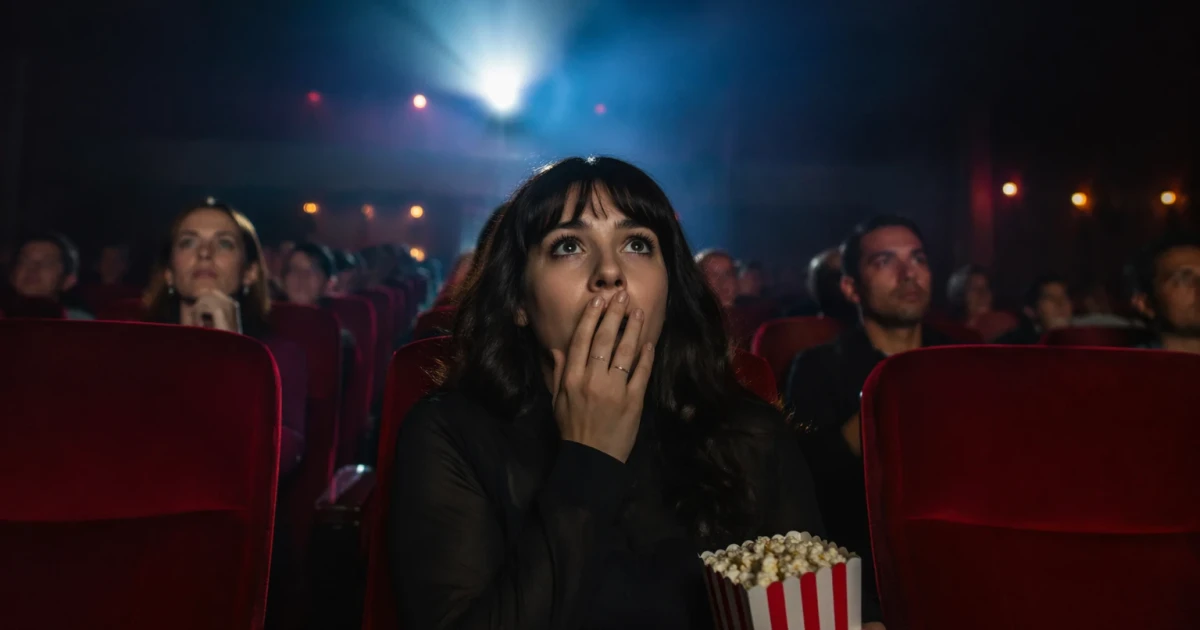
A blistering mix of apocalypse stories, sci-fi spectacle, and lean horror has made the first half of the year feel unusually alive for moviegoers. Critics have responded with midyear roundups that do more than fill a calendar gap: they capture a business where studio-scale releases, festival-friendly art films, and streaming-ready genre titles are all competing for attention at once.
The midyear verdict is unusually strong
RogerEbert.com and Time Out both framed the first half of 2026 as a rare stretch of momentum. RogerEbert.com’s June 11 package, “The 20 Best Films of 2026 So Far,” says critics mentioned more than 100 movies before narrowing the field to 20 titles that came up more than once, a sign that the year’s conversation is broader than a standard best-of list. Time Out’s June 23 roundup was even more emphatic, calling 2026 “arguably, the most blazing hot start since the pre-pandemic glory days.”
That language matters because it points to a market that is not being carried by one prestige darling or one franchise sequel. Instead, the critical conversation is spreading across horror, science fiction, and adaptation-driven projects, with enough consensus around several titles to make a midyear snapshot feel meaningful rather than premature.
Genre is doing the heavy lifting
The clearest pattern in the strongest films so far is the dominance of genre. RogerEbert.com highlighted 28 Years Later: The Bone Temple and praised Nia DaCosta’s tonal shift, with the film built around two opposing responses to apocalypse. Time Out also singled out The Bone Temple and Backrooms, while framing the year as one where a big-budget adaptation like Project Hail Mary sits alongside leftfield horror breakouts.
That blend says a lot about where the industry is headed. The films that are breaking through are not just visually ambitious, they are conceptually easy to explain: a plague-ravaged world, a survival nightmare, a high-concept adaptation, a horror premise that spreads fast online and in theaters. In other words, critics are rewarding movies that arrive with an instantly legible hook, but that still leave room for style, tone, and formal surprise.
Theaters still matter, but visibility now moves in stages
The access story is as important as the praise. Backrooms opened in U.S. theaters on May 29, 2026, and its official release site makes the theatrical run part of its identity from day one. Project Hail Mary opened in U.S. theaters on March 20, 2026, then later moved beyond the multiplex to digital and, on June 18, to MGM+ streaming. That path reflects the current reality for many titles: theatrical release establishes urgency, but streaming determines how far the audience can spread afterward.
28 Years Later: The Bone Temple is another example of that split visibility. Netflix lists it as available in the U.S., and describes it as a dystopian, gory, post-apocalyptic horror film set decades after an unstoppable plague tears through the UK. The platform also foregrounds its cast, including Ralph Fiennes, Jack O’Connell, Alfie Williams, Erin Kellyman, and Emma Laird, which gives the film the kind of broad-home-screen discoverability that critical acclaim alone often cannot guarantee. A movie can dominate critics’ lists and still depend on the right release window to become nationally visible.
What this says about the movie business now
The midyear temperature check points to a business that is less reliant on one distribution model than it was a few years ago. Time Out’s list suggests that a title can be a major conversation piece whether it is a giant adaptation like Project Hail Mary or a stranger, moodier breakout like Backrooms or Obsession. RogerEbert.com’s large pool of more than 100 cited films reinforces the same idea: the strongest consensus titles are not confined to one budget tier or one release strategy.
That mix is especially significant for horror and sci-fi, which keep proving they can travel across formats. A theatrical run can still generate the kind of event feeling that critics notice, but streaming can keep a title circulating long after opening weekend, especially when a platform puts it front and center. The result is a market where acclaim and access are no longer the same thing, but they increasingly work in sequence.
The films drawing the loudest praise so far share one more trait: they feel built for a moment when audiences are still deciding where they want to watch, and critics are still deciding what 2026 will be remembered for. Right now, the year belongs to movies that can hit in theaters, then keep moving across platforms without losing their heat.
Sources
- [1]nytimes.com
- [2]rogerebert.com
- [3]timeout.com
- [4]netflix.com
- [5]backroomsfilm.com
- [6]imageworks.com
- [7]screenrant.com