Croatian Chefs Blend Tradition With Modern Flavors
Croatia’s culinary scene is embracing its roots, as top chefs reimagine traditional recipes for today’s gourmet diners.

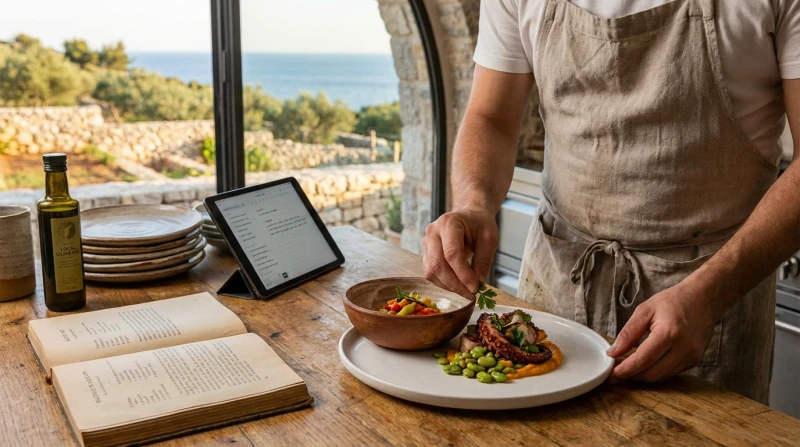
Croatia’s culinary landscape is undergoing a transformation as chefs across the country reinterpret beloved traditional recipes, blending heritage with modern techniques to create a dynamic and celebrated gastronomic scene. The MICHELIN Guide’s latest coverage highlights how dishes once prepared by grandmothers are now influencing fine dining experiences, drawing both international attention and national pride.
Tradition at the Heart of Innovation
Many of Croatia’s MICHELIN-starred and recommended restaurants feature menus that pay homage to classic dishes. Chefs are reviving recipes rooted in the country’s regional diversity—such as pašticada (a rich, slow-cooked beef stew from Dalmatia) and štrukli (cheese-filled pastry from the north)—and elevating them with modern presentation and innovative ingredients. This movement is not only preserving culinary heritage but also attracting a new generation of gourmet diners intrigued by the fusion of old and new.
- Signature dishes often use local produce and seafood, reflecting Croatia’s varied geography and climate.
- Many chefs cite family recipes and childhood memories as inspiration, connecting fine dining to authentic home cooking traditions.
- Restaurants are increasingly offering tasting menus that reinterpret regional classics, introducing international audiences to Croatian flavors.
Gastronomy Recognized on the Global Stage
The MICHELIN Guide’s growing list of Croatian establishments signals the country’s rise as a destination for food tourism. From the Istrian peninsula’s truffle-rich forests to the seafood bounty of the Adriatic, chefs are drawing on a wealth of native ingredients. The Guide notes that the best modern Croatian restaurants excel at marrying innovation with authenticity—delivering sophisticated plates that remain true to their rustic origins.
Key Trends in Modern Croatian Cuisine
- Local Sourcing: Emphasis on seasonal, regional ingredients, supporting small producers and sustainable practices.
- Creative Plating: Traditional flavors are presented with contemporary aesthetics, appealing to both taste and visual senses.
- Culinary Storytelling: Menus and chefs often share the history behind each dish, educating diners about Croatian food culture.
From Family Tables to Fine Dining
The MICHELIN Guide highlights how Croatia’s culinary renaissance is rooted in respect for home-cooked meals and family traditions. Dishes passed down through generations find new life in the country’s top kitchens. While honoring these foundations, chefs experiment with techniques such as sous-vide cooking, fermentation, and molecular gastronomy to enhance flavors and textures.
This approach not only preserves Croatia’s intangible cultural heritage but also positions the country at the forefront of contemporary European cuisine. As more restaurants earn international recognition, the influence of grandmothers’ recipes on gourmet plates becomes a defining feature of Croatia’s food identity.
Looking Ahead
With the global spotlight on its evolving food scene, Croatia continues to balance tradition and modernity. The interplay between heritage and innovation ensures that the country’s culinary future will remain vibrant, diverse, and deeply rooted in the flavors of the past.

Pamella Goncalves
Arts and culture journalist with an ear for emerging talent and an eye for the stories behind the stage. Covers music, theatre, film, and the creative forces shaping modern entertainment.