World
Cruise Lines Adjust Routes as Middle East Tensions Rise
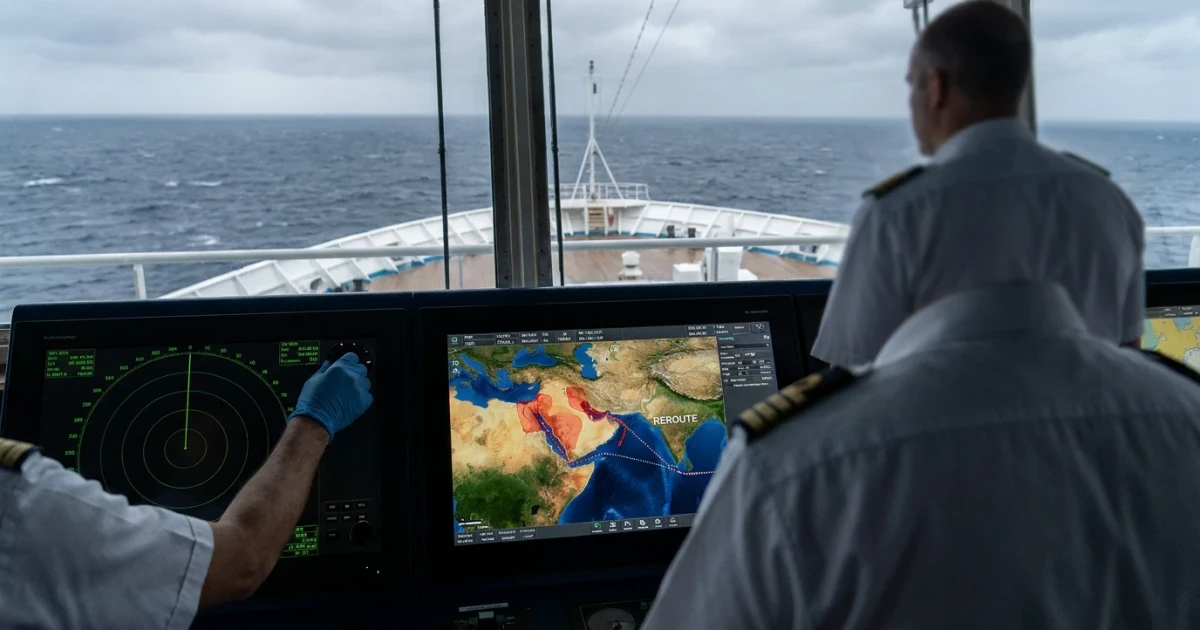
Major cruise lines are rerouting international voyages to avoid areas affected by rising tensions in West Asia, prompting significant changes to global tourism pathways and raising the bar for passenger travel safety standards. The shifts, first reported by Travel And Tour World, reflect growing concerns over maritime security in a region vital to the industry’s traditional itineraries.
Changing Cruise Routes
According to industry coverage, cruise operators have begun altering routes that traditionally passed through the Red Sea and adjacent waters, which have seen increased geopolitical instability. These changes impact not only passengers' travel experiences but also the economies of port cities that depend on cruise tourism.
- Recent data from the Cruise Lines International Association (CLIA) shows the region typically accounts for a substantial share of annual cruise itineraries.
- Alternative destinations in the Mediterranean, Africa, and Asia are seeing increased vessel traffic as ships reroute to safer waters.
While cruise lines are accustomed to adjusting routes for weather or local issues, the current scale of rerouting is notable for its duration and geographic scope.
Impact on Global Tourism
The ripple effect from rerouted cruises extends beyond ship itineraries. The UN World Tourism Organization (UNWTO) notes that cruise tourism is a key driver of economic activity in many Middle Eastern and Asian ports, supporting jobs and local businesses. With fewer ships calling at these locations, some cities are bracing for reduced tourism revenue.
- Cruise passengers contributed to record tourism arrivals in the region before recent tensions, according to Statista’s latest cruise industry data.
- Ports near UNESCO World Heritage sites, such as those listed on the UNESCO World Heritage List, are among those most affected by the change in ship traffic.
As vessels are diverted to alternative ports, new tourism hotspots are emerging, potentially reshaping long-term travel patterns and boosting lesser-known destinations.
Heightened Focus on Passenger Safety
Passenger safety is at the forefront of these operational changes. The cruise industry is governed by strict international regulations, including those set by the International Maritime Organization (IMO), which establishes protocols for ship safety, emergency response, and crew training.
- Lines are updating contingency plans and investing in advanced maritime emergency telecommunications to ensure rapid response in case of an incident.
- Passenger communications about itinerary changes and safety procedures have been expanded to keep travelers informed.
According to reporting in Travel And Tour World, cruise companies are collaborating closely with international authorities to monitor evolving risks and adapt their operations. These actions aim to reassure travelers and maintain confidence in cruise vacations during uncertain times.
Industry Outlook and Adaptation
While short-term disruptions are challenging, the cruise industry is demonstrating flexibility in maintaining service and protecting passenger well-being. Analysts suggest these reroutings may accelerate broader changes in cruise tourism, including increased investment in alternative destinations and enhanced safety technology.
As tensions persist, the industry’s response will likely serve as a blueprint for future crisis management, balancing operational agility with the expectations of millions of global travelers.