Health
Cruise Passenger Contracts Hantavirus, CDC Updates Guidance
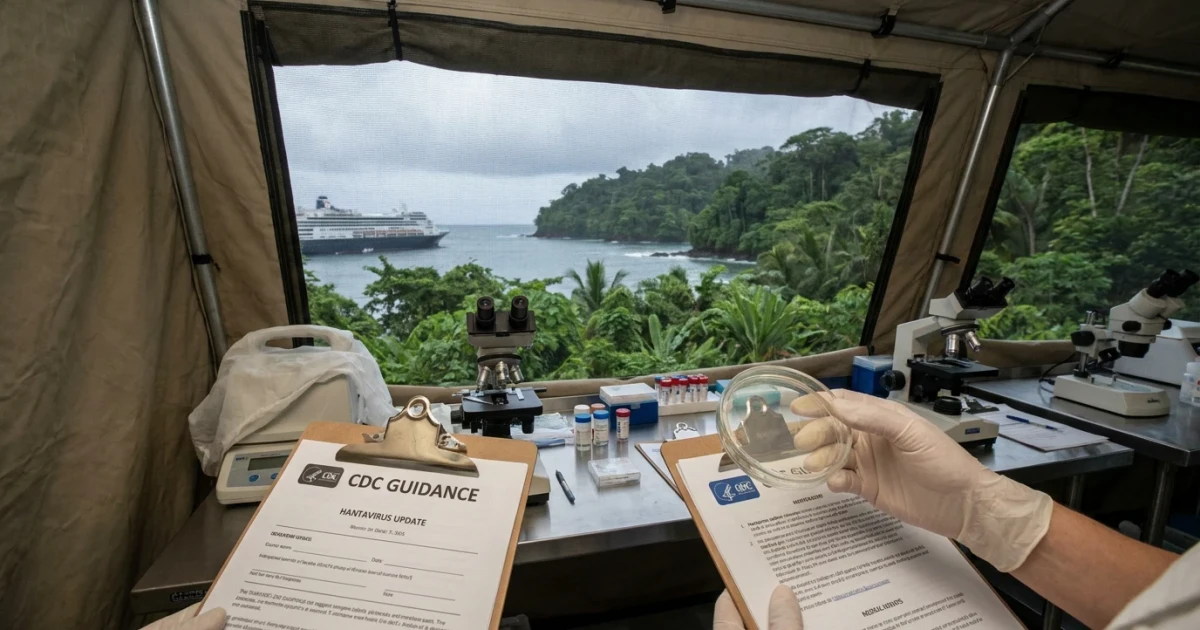
A nature cruise in Costa Rica became the scene of a public health emergency when a passenger was diagnosed with hantavirus pulmonary syndrome, according to The New York Times. The incident has led the Centers for Disease Control and Prevention (CDC) to issue stricter home monitoring guidelines for those exposed to the virus, especially in high-risk scenarios such as close-contact environments on ships.
Hantavirus Case Disrupts River Cruise
What began as a nature excursion along Costa Rica's waterways quickly escalated when a ship passenger exhibited symptoms consistent with hantavirus pulmonary syndrome (HPS). According to The New York Times, the affected individual experienced sudden respiratory distress, a hallmark of hantavirus infection. The diagnosis was confirmed after medical evaluation, raising concerns among fellow passengers and cruise staff.
Hantavirus is a rare but serious disease transmitted primarily by exposure to rodent droppings, urine, or saliva, and can lead to severe respiratory illness. In the confined quarters of a cruise ship, potential for exposure increases, particularly when passengers share facilities or participate in group activities.
CDC Responds with Updated Monitoring Guidance
The Centers for Disease Control and Prevention responded by revising its monitoring recommendations for those who may have been exposed to hantavirus. The new guidance emphasizes:
- Enhanced daily symptom tracking for contacts of confirmed cases
- Prompt reporting of fever, cough, or shortness of breath
- Immediate medical evaluation for any signs of respiratory distress
These updates reflect lessons learned from outbreaks in confined settings and align with findings from prior cases documented in the CDC's hantavirus outbreak reports.
Understanding Hantavirus Pulmonary Syndrome
Hantavirus infections remain rare in the Americas, but their severity demands attention. The World Health Organization's hantavirus fact sheet notes that symptoms can progress rapidly from flu-like signs to acute respiratory failure. Mortality rates for HPS can be as high as 38% in severe cases.
CDC surveillance data show that cases are most often associated with outdoor activities or exposure to rodent-infested environments. However, the cruise ship incident highlights the potential risks in travel settings, particularly when passengers may unknowingly encounter contaminated areas.
Key Prevention Strategies
- Avoiding contact with rodents and their droppings
- Maintaining clean, rodent-free environments on ships and in hotels
- Prompt medical attention for any symptoms following exposure
Travelers are encouraged to review the CDC's clinical updates and the WHO's prevention strategies before embarking on excursions in regions with known rodent populations.
Analysis: Implications for Travel and Public Health
This cruise ship case underscores the importance of vigilance and rapid response in closed environments. While hantavirus outbreaks are infrequent, the CDC’s tightened guidance aims to prevent secondary transmission and ensure swift care for those at risk. For cruise operators and travelers, enhanced awareness and proactive monitoring can mitigate future incidents.
As researchers continue to track hantavirus surveillance data, the public is reminded that rare diseases can surface in unexpected settings. The lesson from Costa Rica’s river cruise is clear: preparedness and prompt action are essential to safeguard health during travel.